It was during a visit to my grandparents in Belfast, 1947, that I witnessed every yard converted to growing fruits and vegetables. And the old folks would cross the street to trade vegetables for eggs. And, then visits in the 1970s to Sun City, Arizona with my aunt trading lemons for limes and oranges. How about condos being built in Toronto in the 1980s with residents having their own little roof-top gardens. Urban farming, small scale.
Then agribusiness took hold, and most of these fruits and vegetables were grown, stored and shipped by major companies. High quality and cheap.
But now we are in a new agricultural revolution with climate change, labor shortages and new technologies impacting both commercial and private farming. It is more than fresh local produce, but about reducing the use of fossil fuels.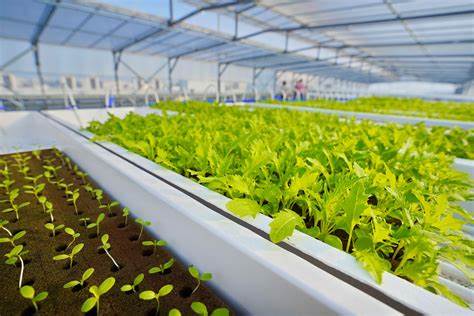 Roof-top farming on a commercial scale gives us a look into the future. In Singapore we have vegetables grown on the top of a shopping plaza under glass. Water and nutrients replace soil. No shipping costs. No pesticides or herbicides.
The technical name for farming with water with nutrients rather than soil is called hydroponics. The global applications are obvious as so many nations face either drought or extreme weather.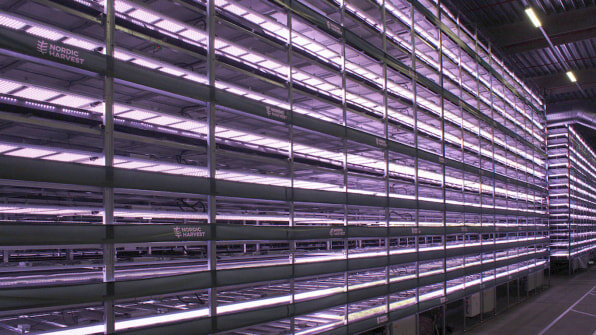 Vertical farming is another form of hydroponics, and the big challenge is the cost of powering the LED lights which replace sunlight. This photo of 14 levels of hydroponics outside Copenhagen is powered by wind. Of course. Windy Denmark.
 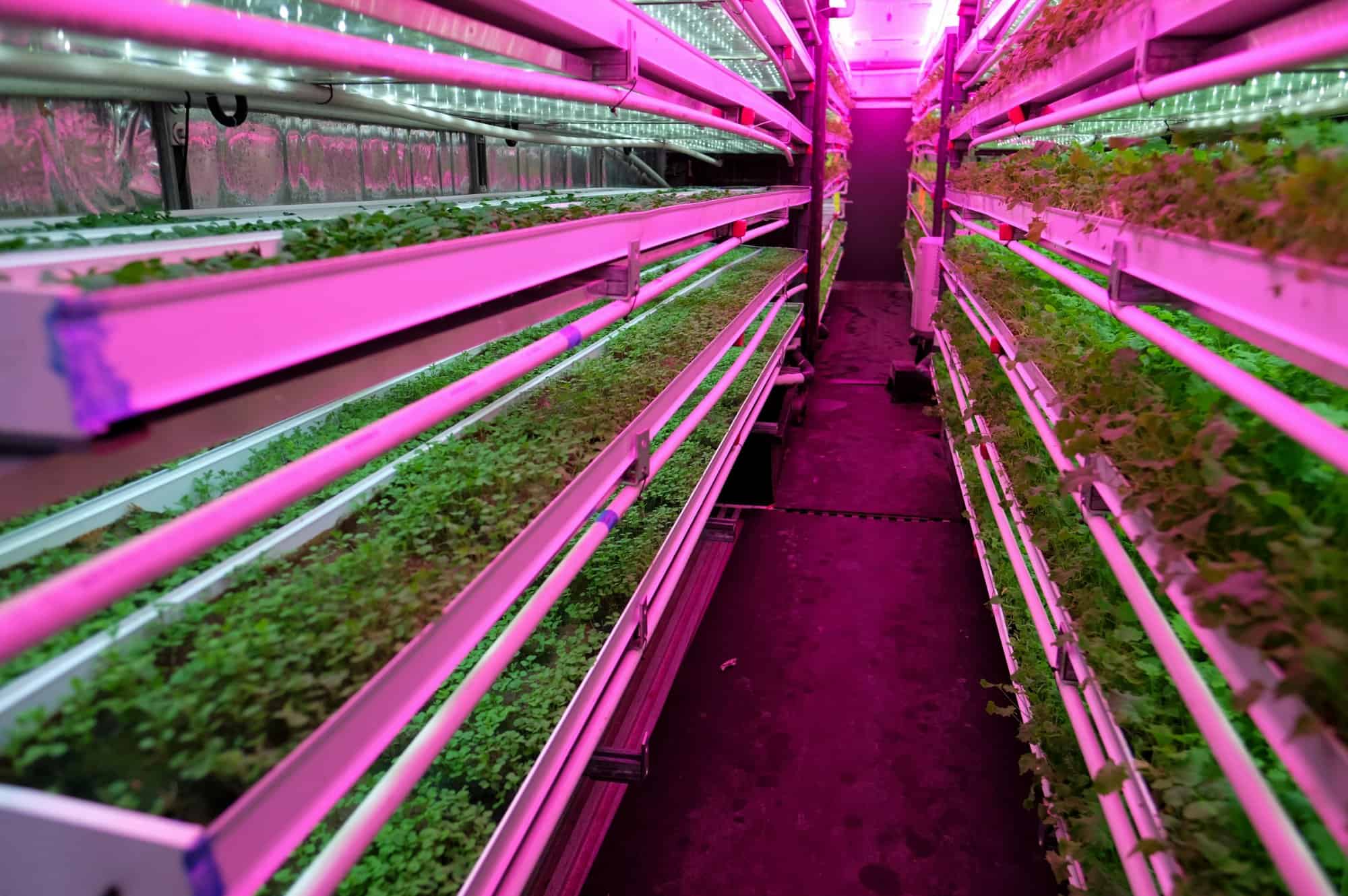 Now, it is common to see old shipping containers converted to hydroponic farming. They can grow up to 13,000 plants. And, they will soon be visible in the parking lots outside restaurants and grocery stores.
A particular focus in growing food close to the big urban populations and reducing fossil fuels is providing protein. If you have any focus on greenhouse gases and climate change, you are going to reduce your consumption of beef. Cattle are major methane burping and farting machines.
One option of course is pulse crops (lentil and beans) that provide vegetable protein. But this is the kind of crop that normally would replace grains like wheat and barley. The obvious option is more fish protein.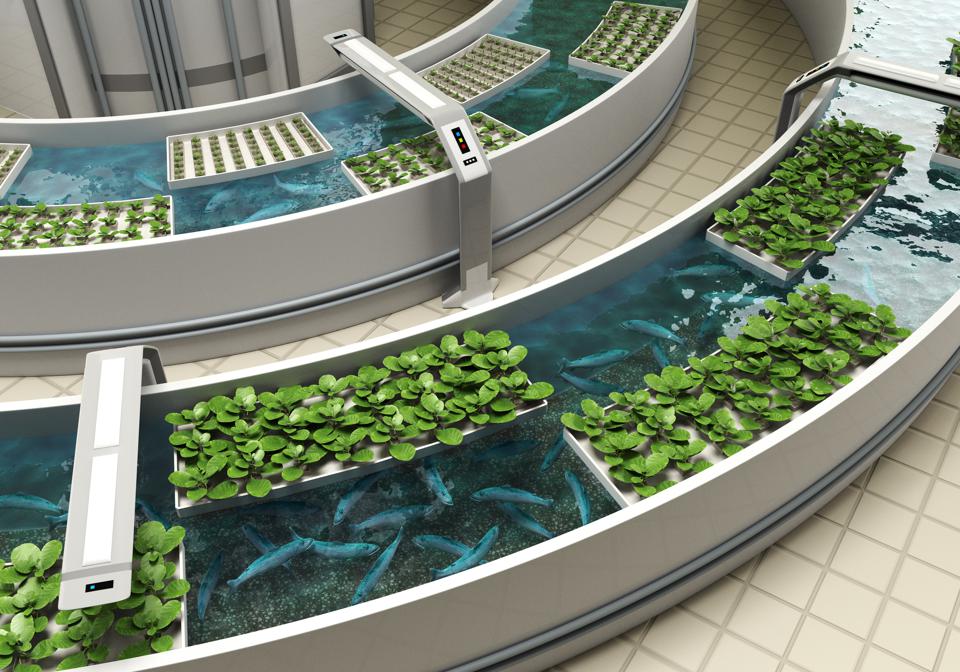 A “green” protein-intensive industry of the future is aquaponics, which means growing vegetables and fish together, where the fish poo acts as the nutrient. It can be commercial or a family hobby. Swiss chard and tilapia. Yummy.
04-05 Urban Farming
(blank) » John Bulloch » 29 Quirky Globalism » 04 Agriculture »
Farming close to urban centres is being fueled by climate change. Agriculture that is driven by technology that is less reliant on fossil fuels. From vertical farming to container farming to rooftop farming to growing fish and vegetable together.