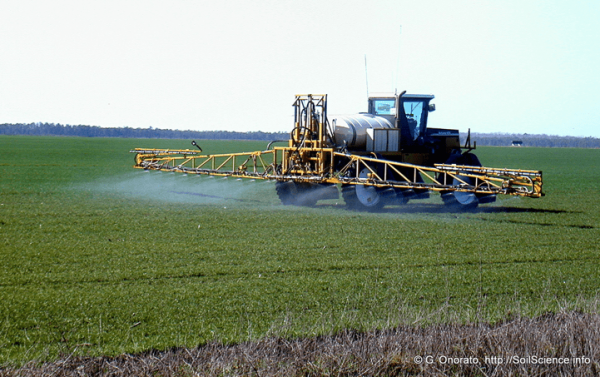
 When we think of agribusiness, we think of large scale farming, with pesticides, herbicides, specialized equipment, processing, marketing, genetically modified seeds, and the whole 10 yards. Highly productive and export-intensive.
Small scale farming today is still alive and well. Even in the developed nations something like 40% of the farms are family operated and most likely focused on organic farming. Farming without the chemicals.
Staples like corn and rice are associated with agribusiness. And, the genetically modified corn that we get in the city is pretty good.
But not as tasty as the varieties I used to get from the local farmer when living in the country. He grew six varieties for his call-in trade, and a larger tasteless variety for his pigs.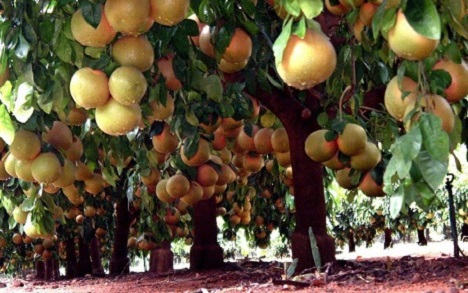 Grapefruit became an item of interest holidaying in the Indian River district of Florida. I visited a monster processing facility owned by the farmer that controlled over a 1000 acres of farmland. He also processed and packaged grapefruit for over 20 smaller farmers.
He boasted that his grapefruit went to the White House, and yet he did not have the production capacity for exporting outside of supplying the cruise ships.
My big surprise visiting Japan a few years later was seeing grapefruit in the department stores from South Africa. Talk about agribusiness.
How about New Zealand lamb in China, grapes from Peru in Toronto, fish from Indonesia in Florida. Agribusiness is not just big business. It is quirky business.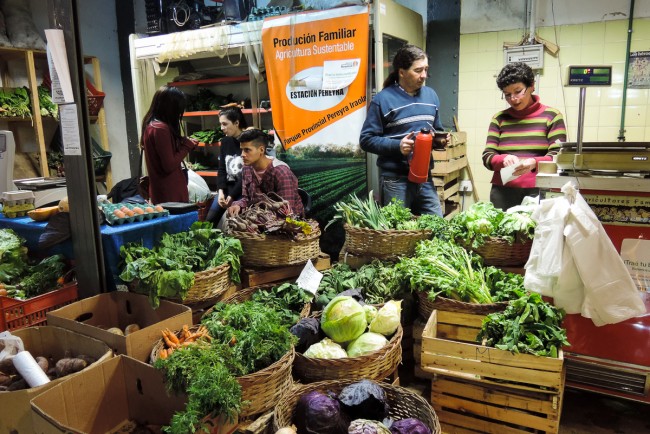 It was an interesting lesson learning about agribusiness during trips to Argentina and Brazil which have the land for large crops like soy beans and the raising of cattle. And yet they still have vibrant small scale agriculture.
During a visit to China in the 1980s, you could see the availability of imported delicacies in all the high end hotels. And, in the country-side the bartering of ducks, eggs and fish for vegetables and fruit. Today China, is a major global player in the exporting and importing of agriculture and processed foods.
One thing is for sure. Farming has always been something under change, whether on a big or small scale. Today change is linked to the changing climate, shortages of workers after the pandemic and the never ending changes in technology.
04-04 Agribusiness
(blank) » John Bulloch » 29 Quirky Globalism » 04 Agriculture »
Agribusiness is a world of agriculture that includes herbicides, pesticides, genetically modified seeds, and the latest in technology. But like everything else, it is changing. And, it is more than organic farming, but the warming climate and labor shortages linked to the pandemic.