It was a hill of several thousand sheep all giving birth at the same time, and the flock actually shimmered. This was a two-week holiday in New Zealand in the 1990s.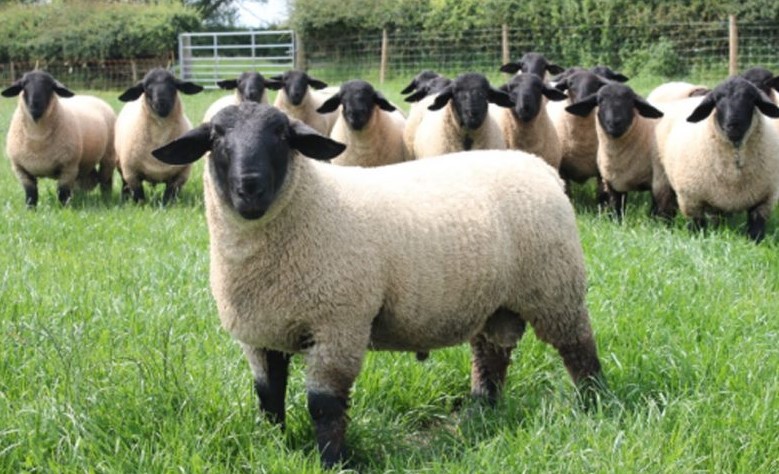 How educational. Talking to the farmers, there were breeds for meat production and breeds for wool. The shock of the day was a truck full of lambs that had died at birth and were heading off to a factory that used the skin of the dead animals to make kid gloves.
In terms of livestock production globally, sheep and goats are numbered around 1.9 billion.
My father, who apprenticed in the wholesale woolen trade, claimed the finest wool in the world came from the New Zealand Merino sheep. Wool for tweeds all came from Ireland and Scotland.
The interesting issue associated with livestock on a global perspective is the numbers of people who either make their living raising livestock or depend on livestock as a food source. It’s in the billions.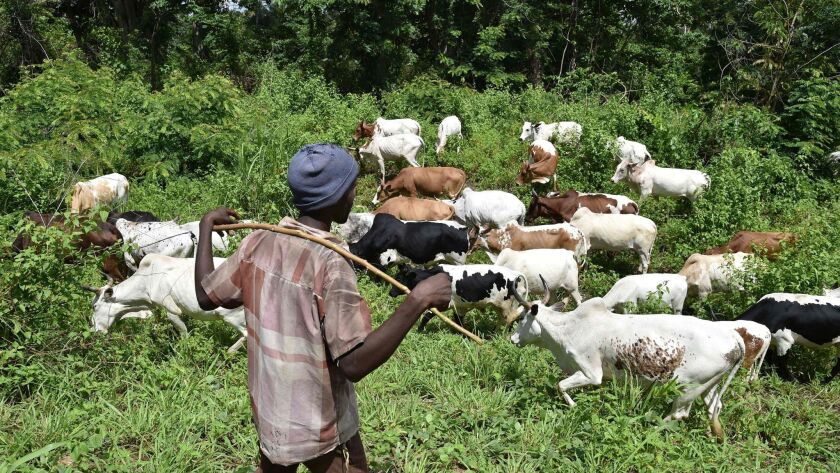 Cattle is a similar story. There is something like 150 breeds in Africa alone. This diversity makes cattle viable as a source of income and as a food source regardless of climate.
Who would believe that one of the world’s largest cattle ranches in on the big island of Hawaii. It’s a regular tourist attraction with the cowboys called “paniolos”. Hard to imagine a ranch with 60,000 cattle.
When it comes to cattle numbers the global estimate is about 1.4 billion. With about 300 million in India, where they are revered by Hindus. Milk and not meat is what it is all about in vegetarian India.
It seems the easiest livestock crop to raise and make money with is chickens. The global numbers now are about 19-20 billion.
If they are called organic, it usually means they were not fed hormones to stimulate their growth. It seems that in every nation of the world, chicken is on the menu.
My 40 years of cottage life gave me an entry into small scale farming and livestock. Our chicken farmer gave us fresh eggs each week. But he also raised rabbits for the ethnic market in Toronto.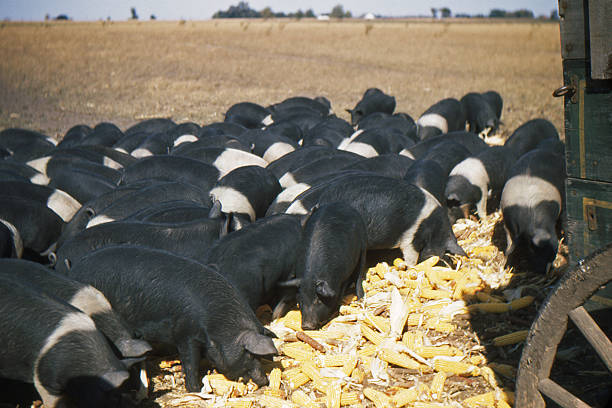 Our source of fresh corn came from a local pig farmer. He said the secret to making money with pigs is to grow your own corn for feed, and then breed the best piglets. He sold his piglets to other farmers. In terms of numbers, there are something like a billion pigs in the world.
Livestock is a serious business and represents about 40% of all agricultural production. The secret to keeping the livestock business booming is to make sure the public never sees the inside of an abattoir.
I can remember seeing the pigs screaming. They knew they were going to die.
04-03 Livestock
(blank) » John Bulloch » 29 Quirky Globalism » 04 Agriculture »
Livestock represents about 40% of all agricultural production. And the wide range of breeds of cows, pigs, sheep and chickens enables them to survive in every kind of climate.