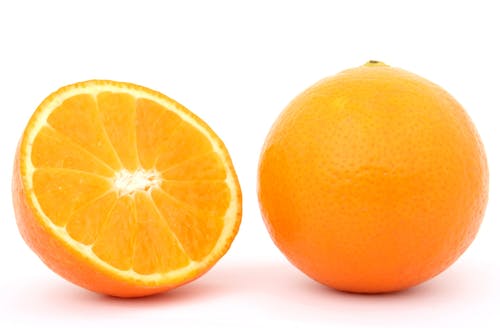
 What a childhood memory to always have an orange in your stocking at Xmas time. Not a complex matter for a northern nation that is unable to grow citrus fruits.
The issue in looking at food imports is understanding what is critical for survival and what is a matter of giving consumers greater choices. For some nations imports are just a matter of climate. Not everyone can produce bananas. But for others shortages are a measure of poor technology and poor organizational skills.
Just after WW2, and I was 13 years of age, the family went to Belfast to visit our grandparents. What I learned told me a lot about food production. There was very little food imported during the war, and every garden of every home was converted for growing vegetable. And, of course, chickens and rabbits. A surprise was the number of homes in Belfast that constructed greenhouses where vegetables were grown from seed before planting in the garden.
And massive bartering took place. Apples for eggs. Tomatoes for green beans. My father used to ship canned goods of fruit and Spam to help his parents work through tough war time conditions.
The lesson here is that educated, organized people can make themselves relatively food secure if they have to.
The biggest food importers are the wealthiest nations like the USA, China, Germany, Japan and the United Kingdom. It is all about supplying consumers with choices.
A huge surprise finding a seafood restaurant on the Gulf Coast of the USA with fish from Indonesia. How about ice wine from Canada available in Tokyo, Japan. And New Zealand lamb served at a high end hotel in Beijing, China.
These are affluent nations and food imports have nothing to do with food insecurity. 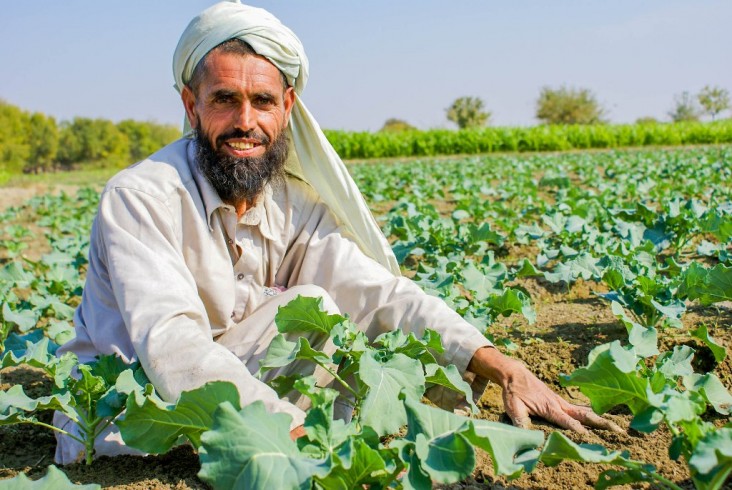 On the other hand, looking at nations like Afghanistan we have societies that just can’t feed themselves. These are tribal societies that lack stable governments with competent bureaucracies.
Similar nations are Burkina Faso, Burundi, Cameroon and Chad. And a dozen more in Africa.
But here is the big food import story. Today about one of every six people in the world rely on imported food to survive.
But by 2050 and climate change half of the world’s population will rely on imported food.
04-02 Food Imports
(blank) » John Bulloch » 29 Quirky Globalism » 04 Agriculture »
Massive reliance on imported food can be a product of affluence and the largest nations like the USA and China are also the largest importers. The real issue is the number of nations that just can’t feed themselves. One of six in the world rely on imported food. And this will be one in two by 2050 as a result of climate change.