There is something like 130 known forms of the influenza virus, and they are all related. Colds, on the other hand, can be caused by as many as 200 different viruses.
I was able to learn a lot about flu viruses from my grandmother’s experience with the Spanish Flu in 1918/19.
She nursed her two children and two borders, but did not get sick herself. My grandfather was also sick but he was able to go to a veteran’s hospital. The surprise was that he recovered despite damaged lungs from Mustard gas.
It was interesting to hear that when the mutated Spanish Flu virus hit Toronto in 1919, it was my mother and her sister that brought it home from a local silent movie theatre that had opened after being shut down for a year. And this was in the late spring when the normal flu season is over.
So it was not a seasonal flu. Grandmother called it a bad flu. Spread from human to human through the air. And with the normal nasty muscle aches, coughs, fevers and the rest of it. Bud a bad case that kept them in bed for two weeks.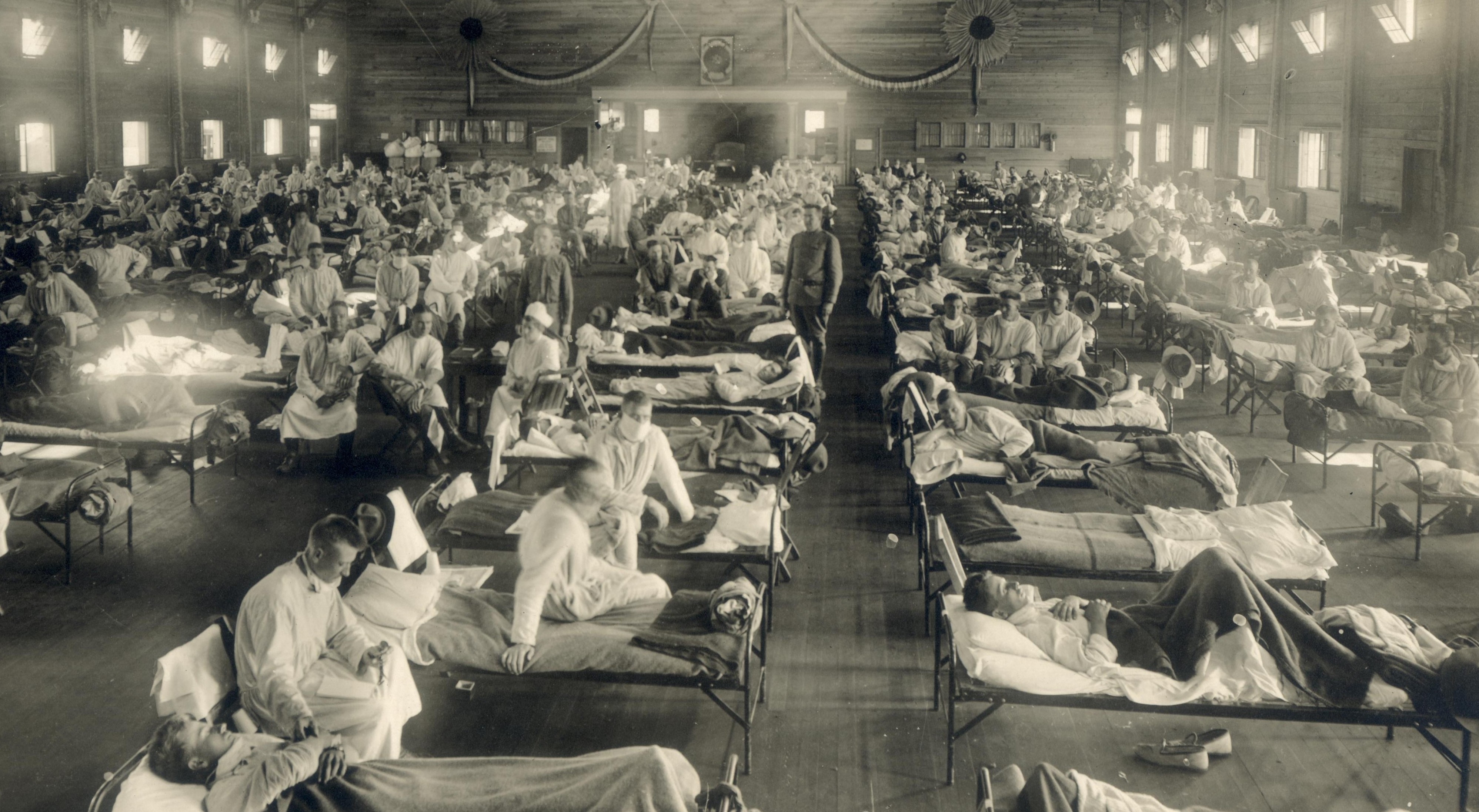 It was another family member that gave us more insight on flues. It was a great uncle that emigrated to Los Angeles from Belfast and contracted the disease. He was put in a huge aircraft hanger converted to a hospital, and died two weeks later. He was 23. So like all influenzas, they hit different age groups differently.
They classify flues as A, B and C types that hit humans. Then there are other flues that hit birds, cattle, swine and whatever. When we get a flu shot it is usually protection from variations of the A type influenza virus.
The scary thing about viruses is the way they mutate. There was an influenza pandemic in 2009 caused by a swine flu that mutated and spread from humans to humans. 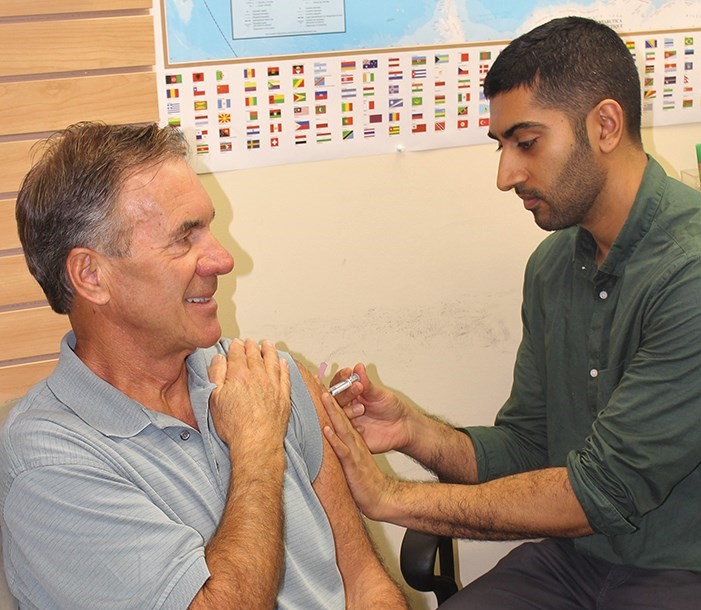 Being over 65, Mary and I get a special high dose flu vaccine. But one year, that did not protect us when we spent the winter in San Jose and picked up a nasty flu virus that sent Mary into the hospital for two days.
If influenza tends to hit in the months from November to March in the northern hemisphere, the general hope is that as the climate warms we will have weaker flu seasons. Certainly there is not a lot of flu during the winter months in the Caribbean.
On the other hand, there is evidence that an early and severe flu season usually follows a warm and weak flu season.
The medical profession and governments are investing in increased vaccine production capabilities because they believe a warming climate is going to mean new and different diseases.
It is more than being careful and prepared. It is about having the facilities at home and not in China or India.
02-01 Influenza
(blank) » John Bulloch » 28 Quirky Diseases » 02 Diseases »
Flu seasons in the northern hemisphere are usually from November to March. And the hope is that our warming climate will mean weaker flu seasons. But viruses mutate and who knows for sure how climate change will impact the scourge of influenza.