We were asking directions from a young university student in Barcelona, and he made it clear to us that he spoke Catalan, not Spanish. He pointed out some of the differences in the culture of the Catalan population in Barcelona compared to Castilian Spanish population in Madrid. To us both great cities were places full of magic.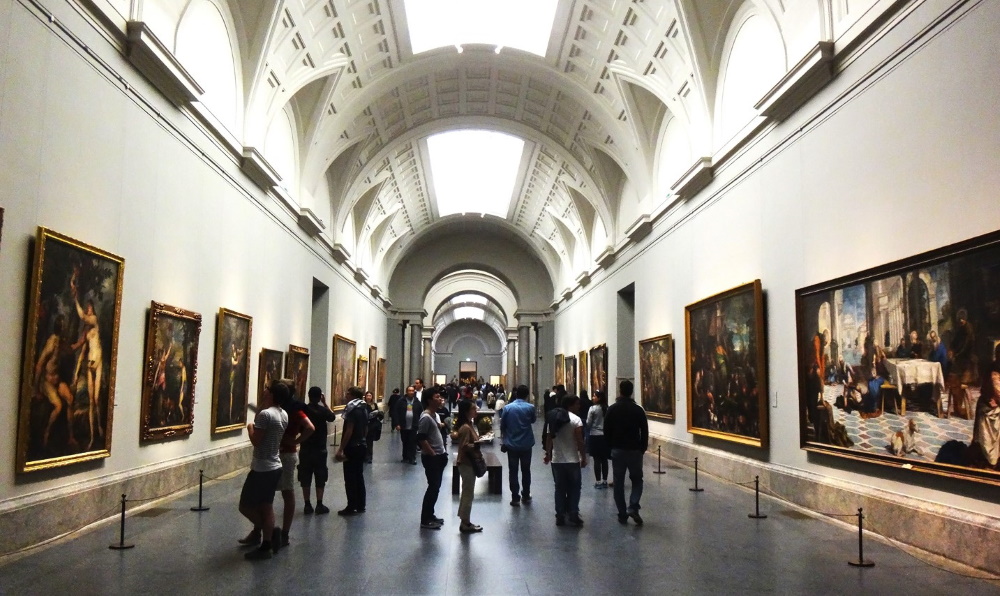 The big issue, however, is that Spain, like Italy, is facing a major decline in population, which has implications for the survival of Spanish culture. The photo shows the famous Museo de Prado in Madrid. An historic experience, right up there with the Louvre Museum in Paris and the State Hermitage Museum in St. Petersburg.
Spain has a present population of 46.8 million, and this is expected to decline by 9.4 million over the next 50 years. It is the old story. Low fertility rates of about 1.35 per female, lower mortality rates for seniors, and a heavy reliance on Immigration to keep the economy functioning.
And like most nations in Europe facing declining populations, the issue is how to fund the pensions and health care of its aging population when your working population declines. What is a bigger issue for Spain because of its geography is that it is a first obvious stop for illegal immigrants, mostly from Morocco. And these immigrants can quickly become absorbed in communities along the coast with large African populations. In terms of the total population of Spain, about 9.8 percent of the population is made up of immigrants.
What might be called a blessing for Spain is the people’s love of football, which we call soccer in North America. And Spain always has a world championship football contender.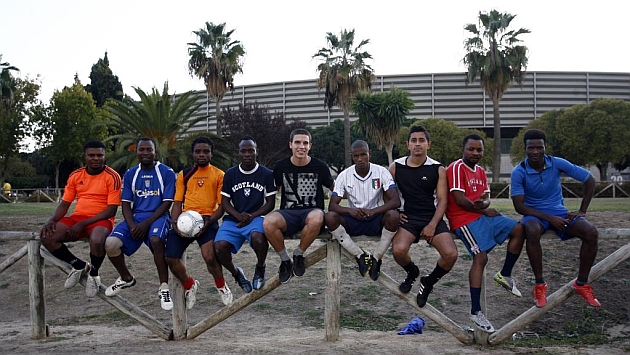 What is noticeable from the photo of a second league Spanish football team is the number of African players, mostly from Morocco. Football in Spain keeps the nation politically and emotionally united.
03-03 Spain
(blank) » John Bulloch » 26 Quirky Population » 03 Under Population »
Spain, like Italy, is facing major population declines looking into the future. This implies pressure on its economy to fund the pensions of an aging society, and cultural pressures integrating a growing immigrant population from Africa.