 What I loved about Downton Abbey, was its story of women’s rights during the period 1912 to 1925. My father’s mother’s life in Belfast during the same period was a similar story.
My great-grandfather Devon in the early 1900s employed over 1000 workers in six plants in northern England and Northern Ireland, but under inheritance laws at the time, his oldest daughter, who had his skill set could not inherit.
It as a similar story in Downton Abbey, where Lord Grantham’s wife and daughters could not inherit his title or lands.
Hard to believe that there are over thirty nations today where females do not have the same rights of inheritance as males.
In Downton Abbey, we saw a story deal with the right of inheritance, the right to vote, reproductive rights and issues associated with prenatal and postnatal care.
Back to the family history, because this is about real people not characters in a drama. When my grandmother’s older sister refused to marry her father’s choice, he disinherited her. She then left Ireland never to be seen again.
The oldest brother that did inherit, again according to law, could not run the business and sold off all the manufacturing facilities, keeping a chain of fifteen retail paint and wallpaper stores across Northern Ireland.
The Devon empire built originally on an invention designed to soften deposits in boilers, was a major manufacturer of paint, wallpaper, lubricants and industrial chemicals.
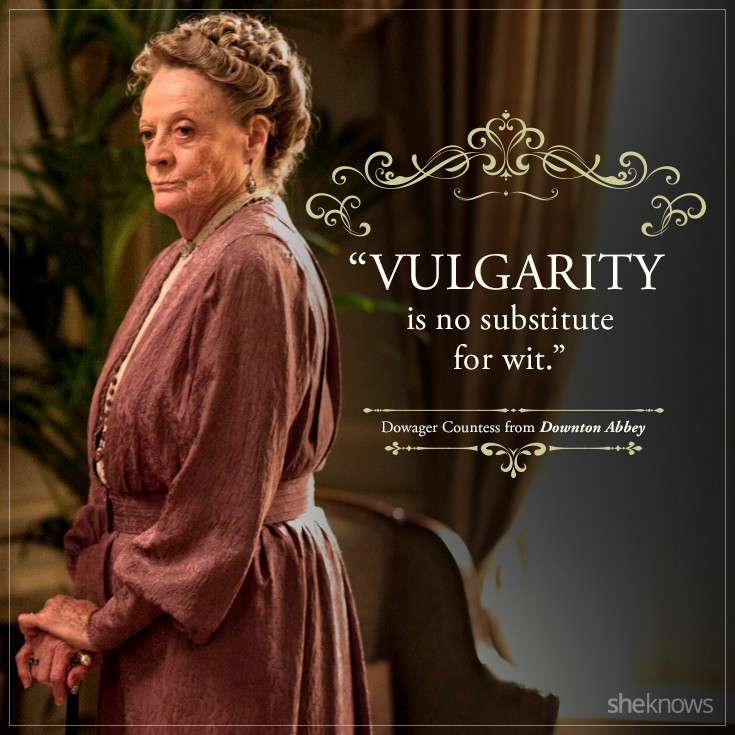
My favourite quote of the Dowager in Downton Abbey, who is the mother of Lord Grantham, and played by Maggie Smith, was when she was asked if a woman was entitled to her own opinion.
“No,” she replied. “She isn’t until she is married. Then her husband will tell her what her opinions are.” The photo is a classic.
What is so interesting is that issues of women’s rights have such a different history.
Visiting China in 1985 we discovered that in their history, women were considered inferior and could not inherit businesses or wealth. And I saw X-rays of what happened when women’s feet were bound. They said that in the 19th century about 45% of women had their feet bound. 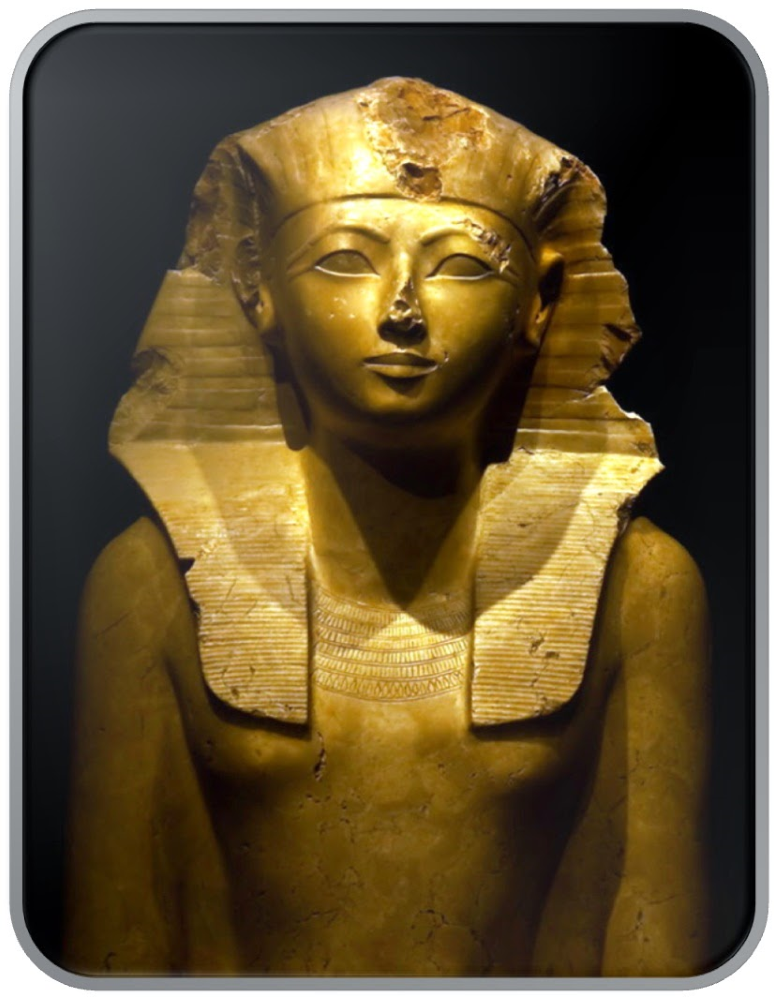 In contrast, ancient Egypt treated women better than any of the other ancient civilizations. I learned that from my high school teacher of Ancient and Medieval History in grade 11. They were equal to men as far as the law was concerned and could become Pharaoh.
Mrs. Hambly was our teacher’s name, and she said she had recently read a very sexy book called the Egyptian. Well that got every 15-year old in the class running to their local library for a copy.
How important for a good teacher to make young people aware at an early age the importance of the way we treat women in society. Not all stories that we learn as we grow up are happy stories.
Possibly, there is nothing uglier than stories of war when women are raped and murdered, and men behave more like animals than human beings.
We heard stories of rape and murder by German soldiers that invaded the Soviet Union in 1941 when we visited the area in 1988. And then lots of stories of Russian soldiers raping German women during the battle for Berlin in 1945.
But for decent, thoughtful people everywhere the women’s rights movement is really about equality under the law. And issues of law are issues for politics.
Certainly, as women learn to organize themselves politically they will achieve their political goals in every society. They’ve got the numbers going for themselves as well as the morality.
That’s the way I see it anyways.
17-03 Rights
(blank) » John Bulloch » 25 Quirky Opinions » 17 Women »
Women could not inherit. It was the law. The wrong child inherited in my great-grandfather’s family.