 It is hard to imagine that a seven-year-old, which was me, would be so taken up by the issues of war and peace. But so many things happened in 1940 that I will never forget. Stories that demonstrate how personal war is.
It was a Saturday afternoon and I was at the Christie Street Veteran’s Hospital with my mother, who was a volunteer. We were visiting my grandfather Halter, who was a WW1 veteran suffering still from a mustard gas attack in 1917.
While at his bed-side he was called away for a treatment of some sort, and his bed-mate asked me if I wanted to play a game of checkers. He had no legs.
The Christie Street Hospital was a big part of our family life. It became jammed with injured vets during WW2, and was replaced in 1948 by the new Veteran’s Sunnybrook Hospital.
The Christie Street Hospital became a senior’s home called Lambert Lodge, and mother continued there as a volunteer for over ten years.
It was only about a month later that my father got a letter from his brother Leslie, who was with the RCMP in Halifax during the war. He was in hospital after being knocked out by someone who hit him with an Orange Crush bottle. He said he was OK. He was hunting down German spies who were intent on damaging the ship building facilities in Halifax.
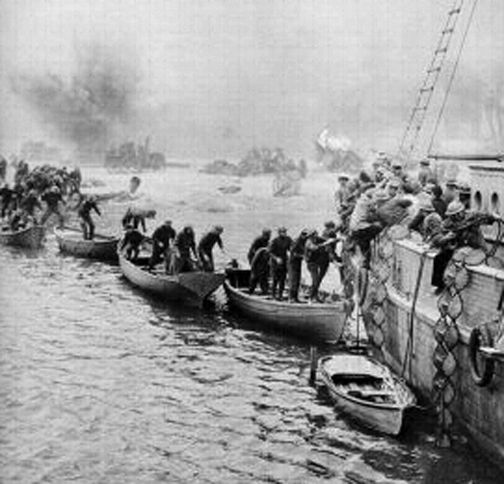
But I guess he really was not OK. At age 33, Uncle Leslie died of a brain tumour growing where he had been pounded ten years earlier.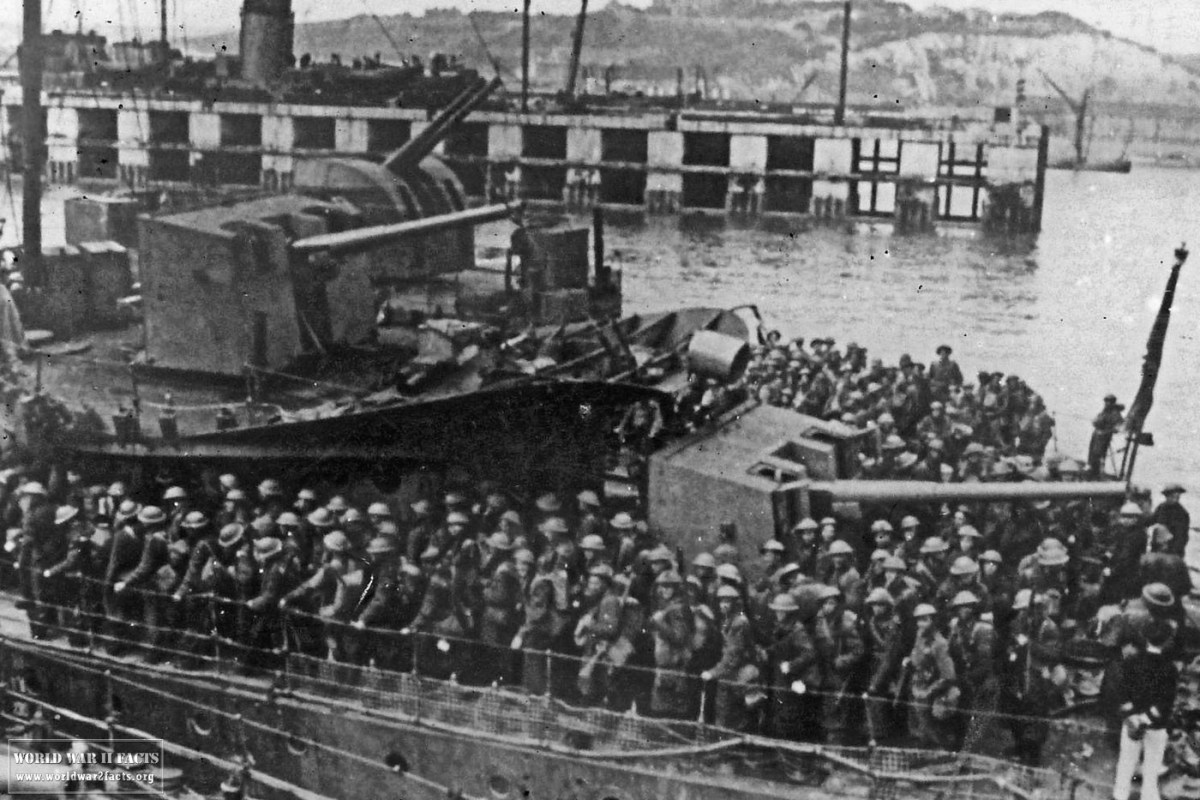 The other great drama for the family in 1940 was receiving the letter my Uncle George had sent to his mother saying he was safely in England after being rescued during the evacuation of Dunkirk in France.
The photo above shows the drama of soldiers being taken out to the boats. It is a photo that reminds me of the story in the letter.
On the way to the boat, Uncle George saw the body of a friend floating on the water. He jumped into the sea and reached down to grab him by the arms and both arms came away from his body. The movie, Dunkirk, was just as he described it.
Neither of my uncles of WW2 or my grandfather of WW1 would talk about their war-time experiences unless pressed. These were painful memories.
I never forgot their stories and neither did I forget all the other emotional stories associated with the second world war. It seemed everyone I knew was either in the war or impacted by the war.
Like my English teacher who lost her fiancé in a bombing raid over Germany. Then there was my ten year-old British friend living in Canada with his Aunt during the war and crying because he missed his parents.
It was about a Board member serving in the Canadian Navy that was thrown into the ocean three times and could not understand why he was alive. Then there where my grandparents who spent nights in the bomb shelter in front of their home when the Germans bombed Belfast.
War is personal.
That’s the way I see it anyways.
09-01 1940
(blank) » John Bulloch » 25 Quirky Opinions » 09 War and Peace »
One uncle with the RCMP protecting the shipyards in Halifax is hit over the head and later dies of a brain tumour. Another uncle is rescued at Dunkirk.