 The bus driver pointed to a hillside carpeted with sheep and called them “Romneys”. It was a two-week tour of New Zealand in the 1980s, and the amazing part of that moment was the ripple effect going through the massive herd as the ewes were dropping their lambs.
He said they put something into their feed that helps them become fertile at the same time. I obviously became intrigued by the process of breeding sheep in a country of 60 million sheep and 3 million people.
And then we passed a farm that bred rams and this all was very specialized. They were bred for wool and meat and their “performance standards”.
Then it was in July 1996 that the world heard about Dolly, the sheep born without a daddy at the Roslin Institute in Edinburgh, Scotland. The world stood up and took notice.
They called it cloning and instead of the sperm from a ram, they put a cell taken from the mammary gland of an ewe and put it into the cell of an egg from another ewe that had its genetic material removed. Then they put this new embryo into a surrogate sheep and after a lot of trial and error we get the first mammal produced from adult cells.
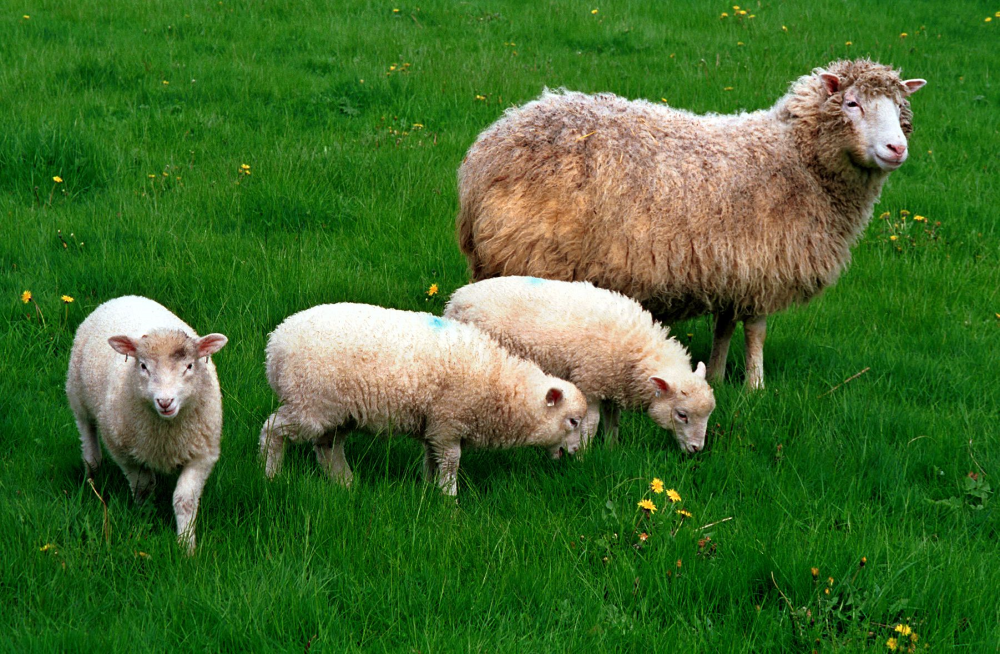
The photo above shows Dolly. And although she died after only six years, she had six offspring through normal breeding that lived normal lives.
And the genetic properties of Dolly came from the cell taken from the ewe’s mammary gland, which is why the sheep was called Dolly Parton. Love the Scottish sense of humour.
Now there is no public outcry as we learn that all kinds of domestic animals are being cloned around the world. Everything, as usual, is complex and technical. But there are obvious economic reasons for cloning if you produce, for example, rams that are all super “high performers”.
Immediately after “Dolly”, governments around the world started passing laws to prevent human cloning.
And in 1996 we had a serious novel combining science, politics and conspiracy theories by Ken Follett called “The Third Twin”. It is a great read based on a scientist and a politician running a fertility clinic and creating about five human clones.
They effectively placed the embryos in women who thought they were getting their eggs inseminated from an approved donor. It was cloning disguised as vitro fertilization. The evil pair were trying to genetically engineer a group of super soldiers.
Part of the reason I have read this book three times is that everything they did in the fictional story is now possible as the technology has been perfected. And apparently five cloned human embryos have been created, studied and then destroyed.
But the interesting part of the Follett story is that the five males cloned from the same cell-source did not behave the same way despite being the same physically. Again, development is both nature and nurture.
So as of now, I am not worried about human “Dollys”. Instead we are going to see science clone human parts to fight disease. That will be genetic engineering that will be hard to stop. 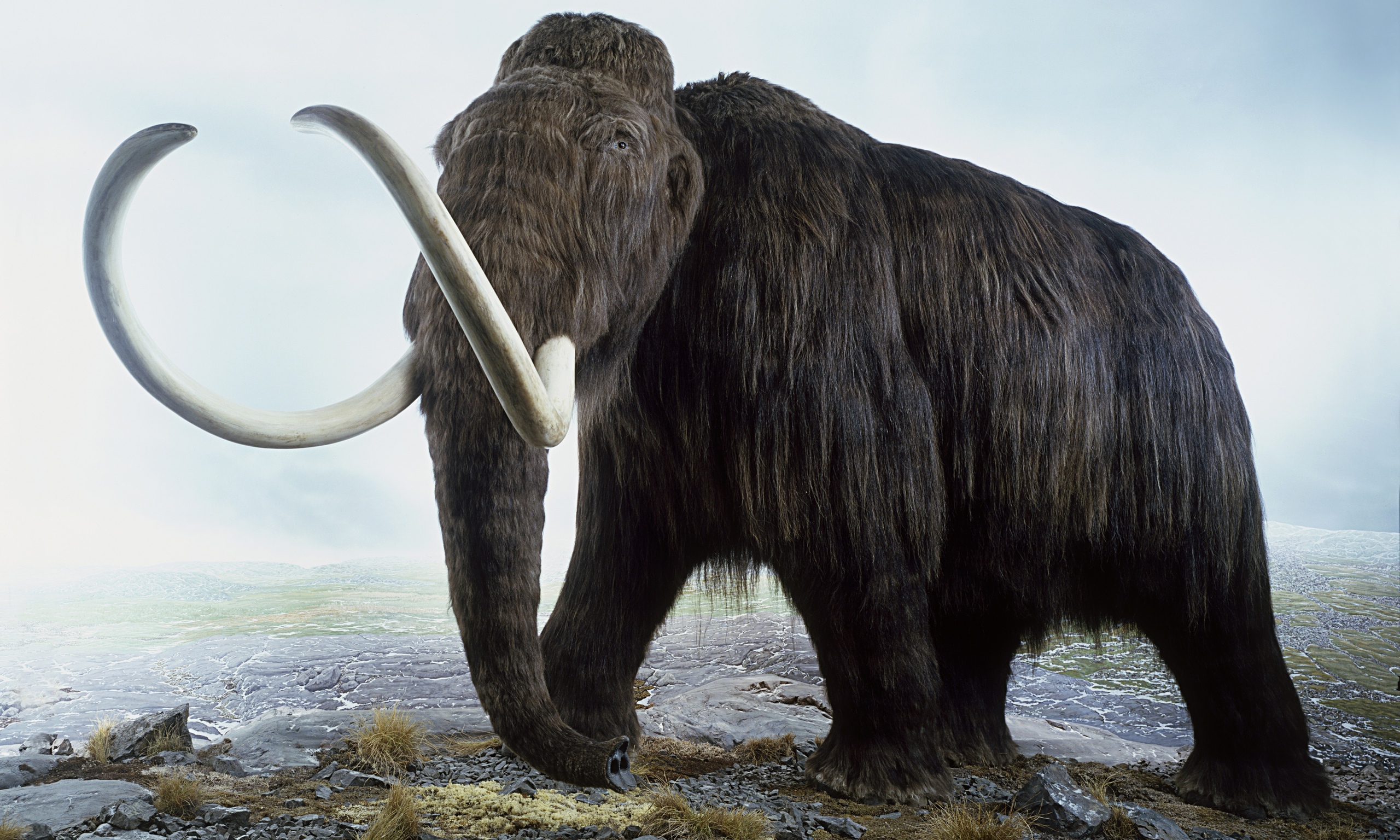 And the thought of using this technology to bring extinct species back to life such as the “Woolly Mammoth” or the “Carrier Pidgeon” is certainly interesting and exciting. Of course, we need some reasonably well-preserved cells somewhere.
But none of us should be complacent because governments have outlawed human cloning. If there is ever a big economic angle to human cloning it will happen, regardless.
That’s the way I see it anyways.
04-03 Dolly
(blank) » John Bulloch » 25 Quirky Opinions » 04 Genetics »
Dolly was a sheep born without a daddy. Can cloning bring back the “Woolly Mammoth”?