 Old farts, like me, will remember as a child eating vegetables and fruits from cans before modern trucking brought fresh produce up to Canada from Mexico and California.
Then I can also remember picking up fresh corn from the farmers, and carefully trying to find a farmer’s dozen without worms. Father called them “corn-borers”.
I could never understand why there were thirteen cobs in a farmer’s dozen. But it made me like farmers.
And even then, we were told to wash our fresh fruit in the summer because farmers sprayed them with insecticides.
And does anyone remember their mother saying to eat up because there are people in China that are starving.
Today, with the ability of scientists to genetically modify fruits, vegetables and even animals we are into a whole new debate. And again, nothing is simple. And we all need to ask questions about the benefits and dangers of this technology.
Genetic engineering of plants is about fighting insects and weeds, about healthier food, about farmers and big business making more money, and about feeding the starving populations in undeveloped countries.
And without getting too techy, this is more than selective breeding which gives us better corn than that grown by our native population. This is about scientists altering the genes of plants so they act differently.
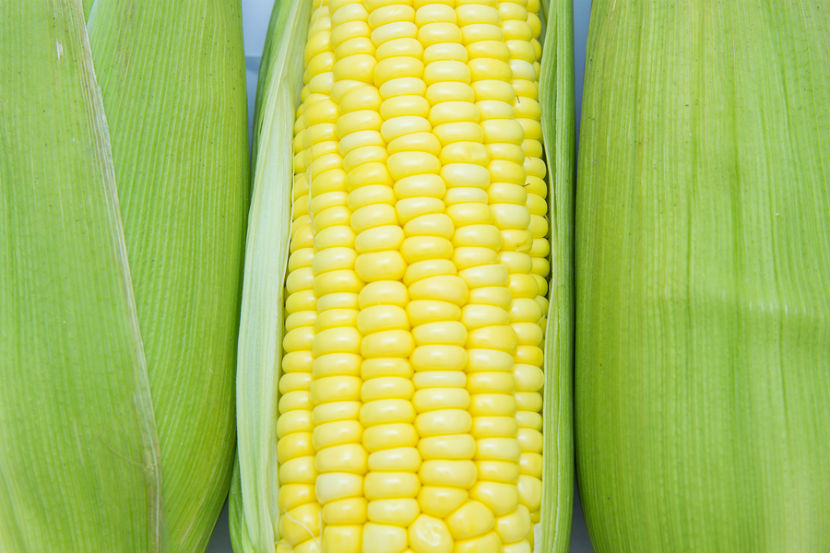
Anyways, todays corn at the store looks more like the photo, and of course it is more resistant to those nasty “corn-borers” or whatever they call them today.
And our diets today are so diversified that we do not necessarily need to take vitamin pills.
Travelling in Europe developed my interest in this new form of genetics. Over there fighting genetically modified foods is a kind of religion and most countries enforce labelling of food that contains GMO ingredients. GMOs are genetically modified organisms like seeds that create the new food varieties.
On the other hand, I can only conclude that the reason labeling of GMO food is not legislated in the US and Canada is that big business is more politically influential in our political systems.
Living in the countryside, I can see farmers with corn one year and soybeans the next. And, they are all genetically modified. Then there is canola, and sugar beets. I did not realize that most of the sugar in soda pop comes from sugar made from genetically modified sugar beets.
And the latest GMO debate is around efforts to modify rice, which is a world food staple like corn. It is called Golden Rice, and it is a yellow-coloured genetically modified rice with more Vitamin A.
Apparently, this vitamin is lacking in the less diversified diets of people living in third world nations. This is an exciting development and a huge argument for genetically modifying food.
I have a lot of faith in the approval process for genetically modified foods in Canada, but there are scary US stories out there. About super weeds becoming resistant to herbicides and genetically modified crops being developed solely to resist the impact of the stronger herbicides.
The smart move for people who cannot decide whether eating genetically modified food is good for their health is to eat and drink in moderation products produced and sold by the big food companies. 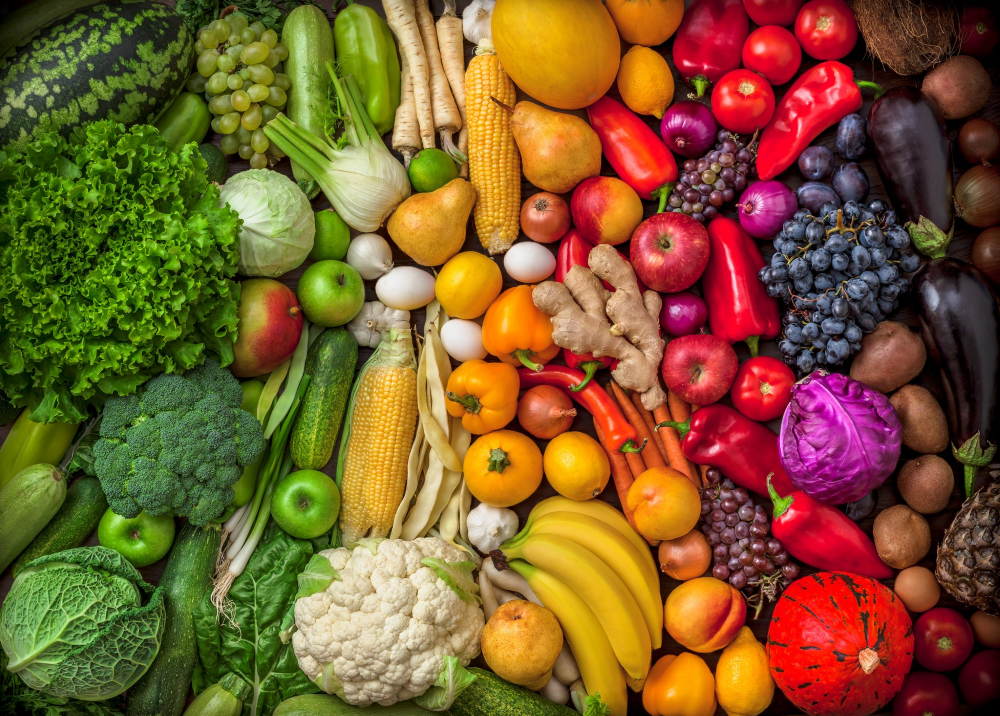 Now that I am aged and thinking about everyday issues like health and longevity, I have another solution. Eat organic food, which is not genetically modified but grown locally. I pay more but it is worth it to support local enterprise.
That’s the way I see it anyways.
04-02 Corn and Rice
(blank) » John Bulloch » 25 Quirky Opinions » 04 Genetics »
Genetic engineering of plants is about feeding the world. And making more money at the same time.