 It was the International Symposium on Small Business in Seoul, Korea in 1977, and the key-note speaker was Peter Drucker, one of the most famous management consultants of his time.
He said that the greatest threat to international stability was the armies of educated young people coming into the labour force over the next 20 years. And, that if we do not find jobs for these young people, significant numbers of friendly nations will be driven into the hands of international communism.
I never forgot his words because I had just come from the Philippines and watched traffic draw to a halt when tens of thousands of young people in blue uniforms came out of their schools.
Peter Drucker said that the US government was encouraging the corporate world to outsource its production to developing countries to encourage economic growth and reduce poverty.
He explained that about 10% of world trade is production sharing, in which major companies sell and buy from themselves, but that this arrangement will rise to 50% in 20 years. It was the beginning of what we now call the global economy.
And I remember, only three years later at the same Symposium held in Melbourne, Australia, sitting with an economic development minister from India explaining what happened when they gave say $200K US to an Indian company to help finance updated production facilities. He said that half of that money was needed to pay bribes to obtain the necessary import and export facilities.
It is easy to say that societies must encourage economic growth if they want to reduce poverty. And, of course, when societies do grow, more resources go into education and health services. It is a growth stimulating growth phenomena. But nothing is simple.
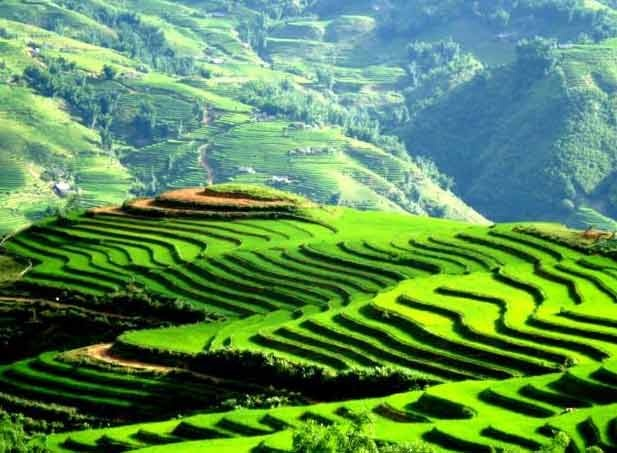
We all remember the Vietnam war and the US being dragged into what they considered the threat of one nation after another falling to communism. Well one of the success stories linked to economic growth reducing poverty comes from the decision by the Vietnamese in 1986 to abandon central planning for free market economics.
They changed 180 of their laws. And over the next 30 years, income per capital increased ten times. The photo shows rice patties in North Vietnam near Sapa.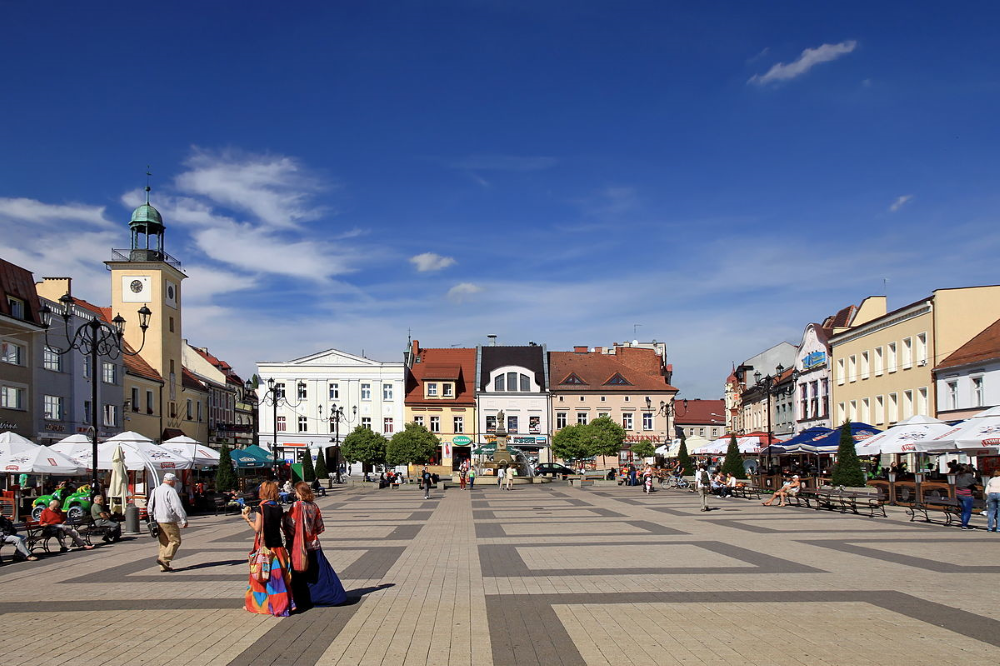 It is now 1992 in Warsaw, and the international small business organization is now called the International Small Business Congress. And a prominent academic is outlining the major challenges facing small firms in Poland adapting to the free market economy. He doesn’t even mention taxation which are at a high level compared to western European nations.
And when questioned he said, to my surprise, that Polish small firms do not pay taxes. They operate on a cash basis to avoid taxation. They still do not trust the state.
If there is anything I have learned over the years about the role of economic growth in reducing poverty it is that only societies can determine what they need to do to encourage growth. Outsiders cannot impose change on a sovereign state. No point getting mushy about all the horrors of global poverty.
That’s the way I see it, anyways.
01-04 Poverty
(blank) » John Bulloch » 25 Quirky Opinions » 01 Economic Growth »
The global economy has lifted much of the world out of poverty. But every nation has its own unique challenges and must find its own solutions.