Will there ever be a time like the summer of 1945? When instead of going to camp, I was to work in the family clothing business. I use the term “family” because besides my mother and father, two uncles were employed. It was a typical small business with 15 employees.
But the term “family” had a more important meaning. There was a family atmosphere because you could not really treat employees any different than the way you treated family members. And you did not need company policies for members of the family. When people were sick you helped them, family or not.
The shock of the summer was the death of my father’s foreman. At his funeral I saw my father cry for the first time. It changed my life.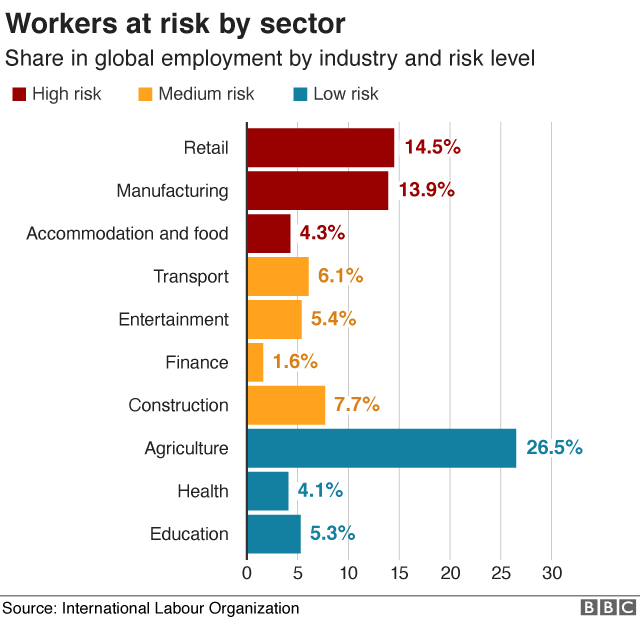 Fast forwarding to 2020, something like 80% of the global workforce is without work. The graph provides a picture of the labour market and those who are most vulnerable.
And in this scary number are all those normally working in family businesses where relationships are both emotional and financial.
I know if my father were alive and dealing with a shut down of his business, he would be using his personal savings to help his employees. And checking with a couple of people who serve us, like my wife’s hairdresser, their employers were covering their salaries. 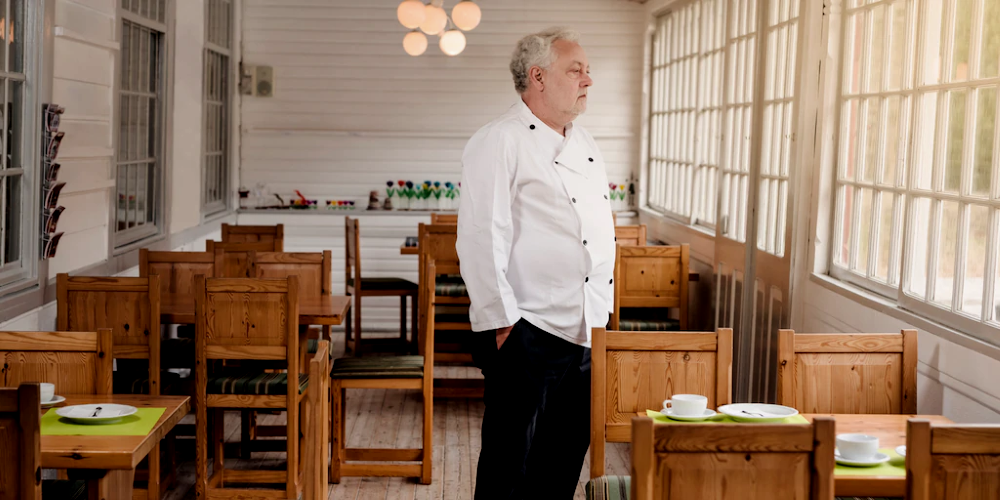 The big worry are all those small restaurants, which have to decide if they are viable, even if they are allowed to open with 50% occupancy. It is being fully booked on Friday and Saturday nights that provides their needed income.
The public policy issue is how many of the millions of unemployed workers around the world will get their jobs back. Assume, for the sake of argument, that the number is 75%. Not an unreal assumption, because many forms of activity will make a slow recovery.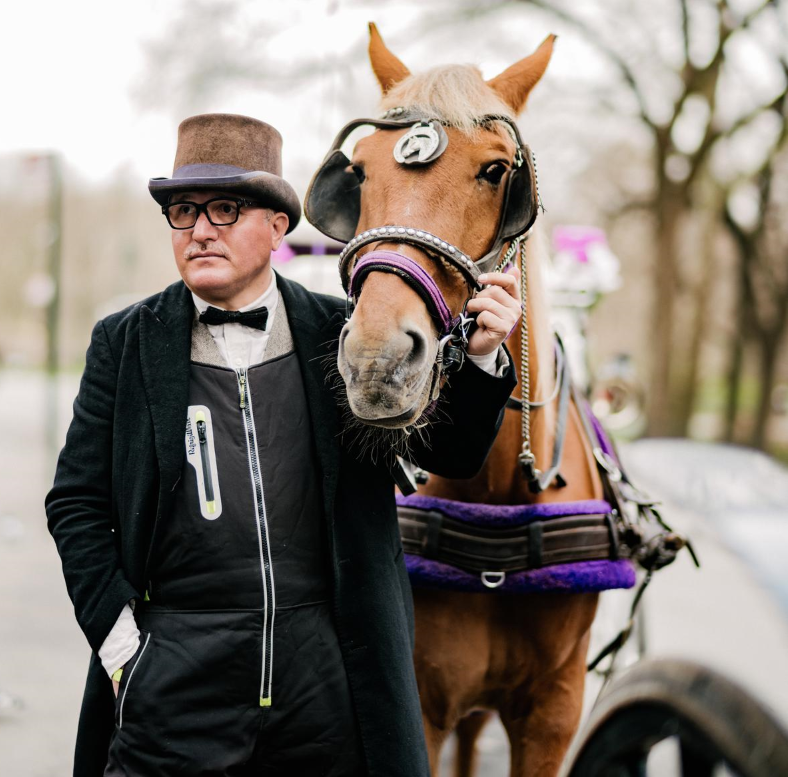 Love the photo of the self-employed driver in New York’s Central Park without customers. It seems logical that people will ignore showing up where normal crowds gather. Unless they are seriously stupid. Parks, sporting events, theatres, airports, malls. That kind of thing.
One thing is obvious, and that is the significant number of employees that are working at home during the pandemic. So many companies have installed video-conferencing apps like Zoom and other at-home facilities.
So anticipate a future where staff come into the office once a week for meetings, but spend the rest of the time at home. So much for rules. But not a bad arrangement for women in the workforce with children.
But there is going to be major adjustments, with large firms using the pandemic as an opportunity to speed up plans to introduce labour saving technologies like robotics to cut back on the cost of labour. Nothing evil here. They have to compete with what is happening to manufacturing everywhere.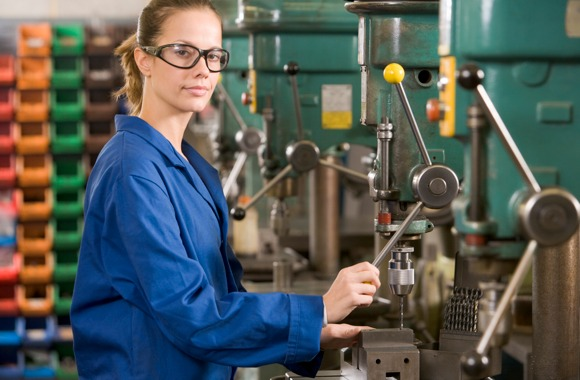 So, anticipate major public and private initiatives to spur the upgrading of the workforce. It will be a decade of massive worker training.
My age group were a lucky bunch. We missed the Great Depression and WW2. And when we got out of college there were a 100 jobs for each graduate.
Today, the workforce is characterized by continuous change and disruption, contract employment rather than secure employment, late marriages and fewer children.
Let’s face it. We are moving into a period where all over the world social and economic instability will create a new hyper-activist state. Left vs. right political philosophy will be meaningless. Resilience vs. non-resilience will be the only relevance.
03-02 Workers
(blank) » John Bulloch » 24 Quirky Economics » 03 Corporations »
Working at home and coming into the office for meetings. Workers replaced by robots. Massive retraining. It’s a new world for workers.