It was so interesting during my student years to study the history of the US during the Great Depression. Republican President Hoover was plagued by the onset of the depression during his term in office from 1929-1933. He was opposed to what he called “government interventionism”.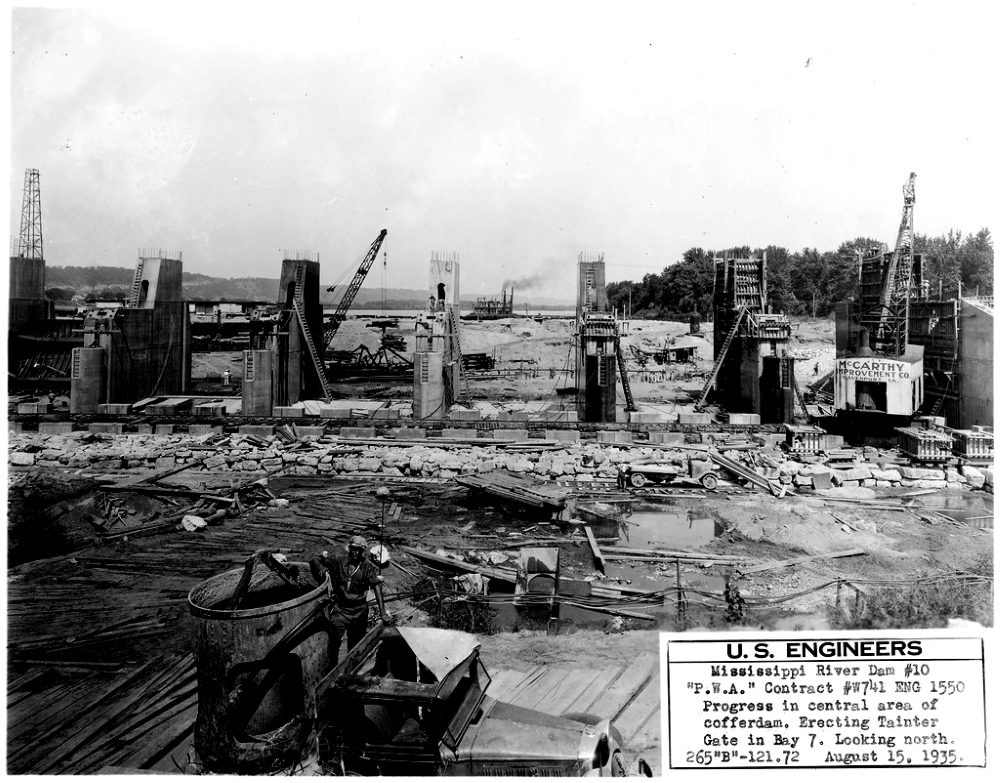 Well, as we all know, he lost the election in 1933 to the Democratic incumbent, Franklin Roosevelt who campaigned on what he called “The New Deal”, which was massive spending on infrastructure projects like dams, bridges, hospitals and schools. The photo shows a damn under construction by the Public Works Administration of the US and the Army Corp of Engineers.
Fast forward to 2020 and no administration of the left or right is opposed to government infrastructure spending to restart the post-pandemic economy.
But the big issue in both Canada and the US is that state and provincial governments and their municipalities are cash starved because of the collapse of the economy.
In Canada, there seems to be an effort to encourage smaller, shovel-ready projects that can immediately put people to work. Things like hospital and school repairs. This means the federal government making deals with municipalities which are creatures of the provinces. It’s all a little messy.
It is of special interest listening to the mayor of London, Ontario which is my wife’s home town. He is suggesting funding to convert buses to electricity and to upgrade the local airport.
To me it is an opportunity to link infrastructure spending with climate change. Why not make the conversion of traditional gasoline and diesel buses to a national project that can help all municipalities eliminate spending on gasoline and diesel fuels.
Moving over to a large economy like China, it is interesting to see the use of infrastructure spending to not only rejuvenate the economy after the virus, but to achieve significant social goals.  The Chinese Communist Party wants to move 250 million people closer to the mega cities where they can get access to better hospitals and schools. And the major infrastructure spending is on roads, bridges and tunnels. The photo is of the Qinling Tunnel which is ten miles long and takes auto traffic through a mountain.
China plans to spend $600 billion on infrastructure to rebuild the economy, because of the restriction on trade imposed by the US. Their problems are more than the Coronavirus.
But, a strong China economy based on domestic spending rather than export spending is good for China and good for the world economy.
02-02 Infrastructure
(blank) » John Bulloch » 24 Quirky Economics » 02 Countries »
President Roosevelt used infrastructure spending to put the economy to work in 1933. It will work in 2020.