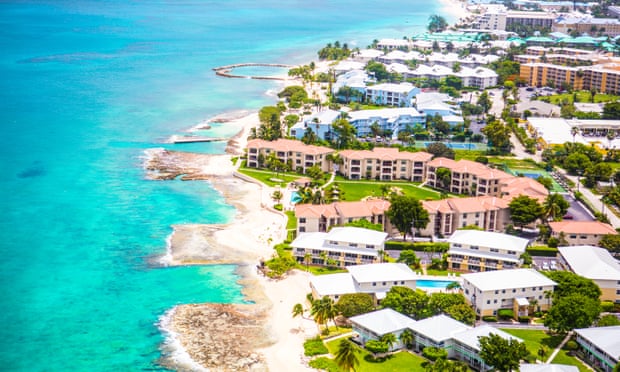
 He was the major shareholder in a major company he had started after WW2, and was moving its head office from Nassau to the Cayman Islands. And, he gave me his bloody dog. The Caymans is a beautiful place, but moving there was about zero tax rates.
Today, there are 100.000 companies in the Cayman Islands and 11,000 investment funds. And these vehicles hold about $240 billion of America’s debt.
Then there is another trillion dollars of American debt held by corporations and investment vehicles in places like Ireland, Hong Kong and Luxembourg. Not sure how many got their money out of the oil and gas sector, or out of the airlines. My guess is that they are buying up cheap corporate shares that others are dumping.
Then there is Japan and China that hold about a trillion dollars each of US debt. This keeps their currency weak relative to the US dollar which helps them sell stuff to the US.
But now, with a global pandemic and few safe places to invest, global investment money is flowing back into various forms of US debt. This means billions coming out of nations, communities and corporations around the world.
The US dollar is therefore super strong, but that means it will be more expensive for governments and companies around the world to repay debts they owe in US dollars.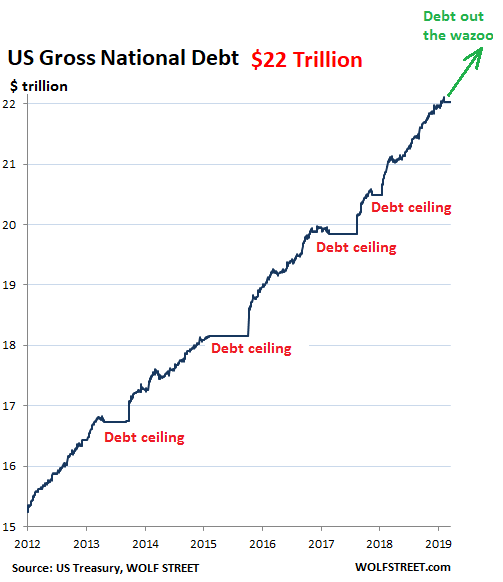 The point of all this is appreciating that financing the public debt of nations is insanely complex. The graph shows the enormity of the US debt. I believe a trillion is something with 12 zeros. Phew.
Nations that are well managed and have debt levels that are not scary relative to the size of their economies should be able finance their debt. I am talking about nations with triple AAA credit ratings like Canada, the US, Britain and Germany.
But the levels of spending on emergency relief is like nothing in history. So central banks are stepping in everywhere. They are called the lenders of last resort. The can control the interest rates of a nation and the amount of money circulating to keep the economy functioning. At some point our savings in pension plans and insurance companies, and investments by foreigners are not enough.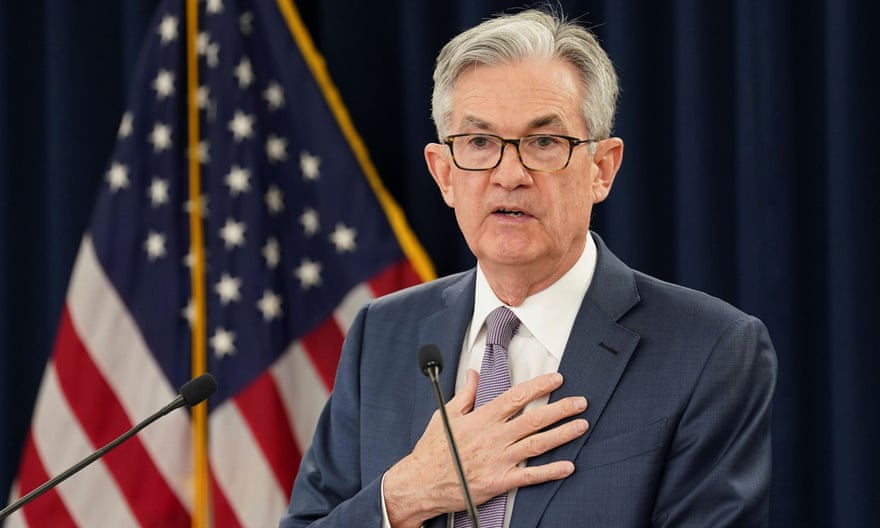 I love, “quantitative easing” which is a techy term used so the public will not realize central banks are printing money. It’s when central banks buy the bonds and short-term treasury bills held by banks. This gives the banks the liquidity to continue lending money. The leadership is coming from the Chair of the Federal Reserve in the US. Jerome Powell. It is about techy stuff being managed by competent people. Thank goodness they are not politicians.
And during the current financial crisis, central banks are even buying the debt of corporations, states and provinces.
All of this is manageable if the crisis is short term in nature. But, for those who think history is important, the Spanish flu, when it hit my mother in 1919, had mutated twice. So, when we see a second wave of the virus, anticipate something we saw in wartime. Initiatives to encourage investments in government bonds.
It was Victory Bonds in WW1 and War Saving Certificates in WW2. I used to buy a 25 cent stamp every Friday at school during the War. It was so exciting. And, no surprise, China is already selling anti-pandemic bonds to investors.
The problem channeling so much of our savings into funding government debt is that investment spending will be reduced, which is what gives an economy the biggest bang for the buck. So, it all means that the recovery will be slow.
02-03 Public Finances
(blank) » John Bulloch » 21 Quirky Virus » 02 COVID-19 Global »
Central banks are printing money. They are even buying the debt of corporations. Thank goodness those bankers aren’t politicians.