Anyone interested in technology and climate change is interested in the growth of the Electric Vehicle (EV) market. Because as the sale of EVs explode, the sale of gasoline will decline and at some point oil refineries will shut down.
But, the market for EVs is related to the cost of the lithium-ion batteries. And when the cost of a battery is only 20% of the cost of the car, the EV market is poised to explode. One of the pioneers in recycling old batteries is a former Chief Technology officer of Tesla, JB Straubel. His recycling plant in Nevada has a serious long –term goal. To be able to produce basic raw materials at half the cost of these materials when mined. His company is called Redwood Materials.
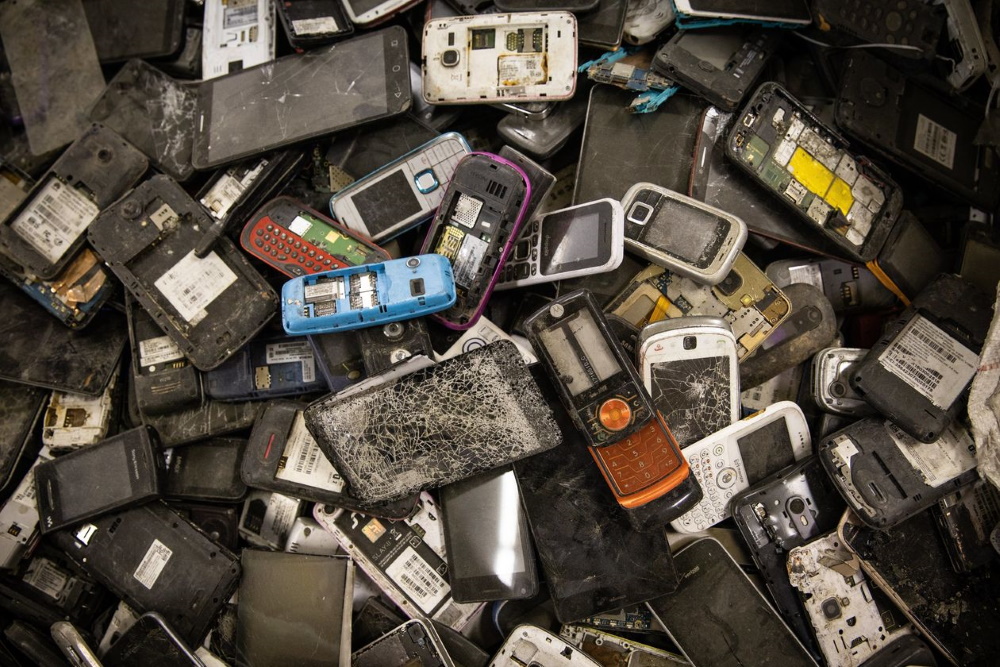 This photo shows one of the obvious sources of batteries for recycling, old I-phones. Well, it takes a lot of cell phones to get the amount of lithium needed for a car battery. Something like 10,000.
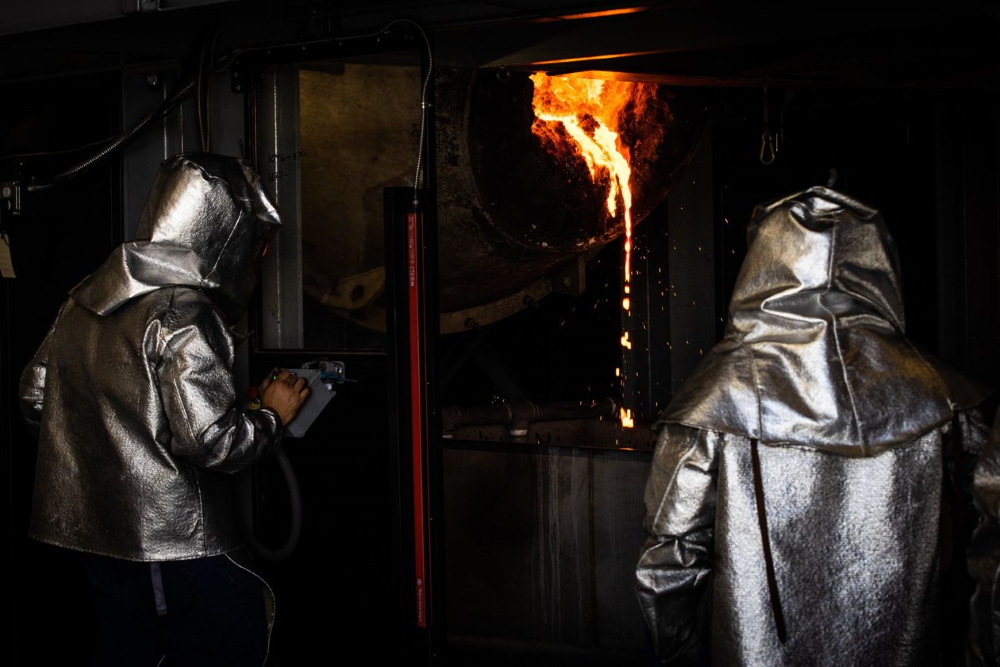 Without getting into the technology of melting down batteries, just think of furnaces at 2700 degrees Fahrenheit. And then there is the task of separating out the various metals, Lithium, Cobalt and Nickel.
In an early life while training as a lubrication engineer, I worked at the Nickel mining operation in Sudbury, Ontario. Besides five mines, there is a mill, a smelter, a refinery and close to 4000 employees. And any nickel mine usually includes copper, platinum, cobalt, gold and silver. It was the International Nickel Company of Canada (INCO) in my day. Now it is Vale Canada Ltd.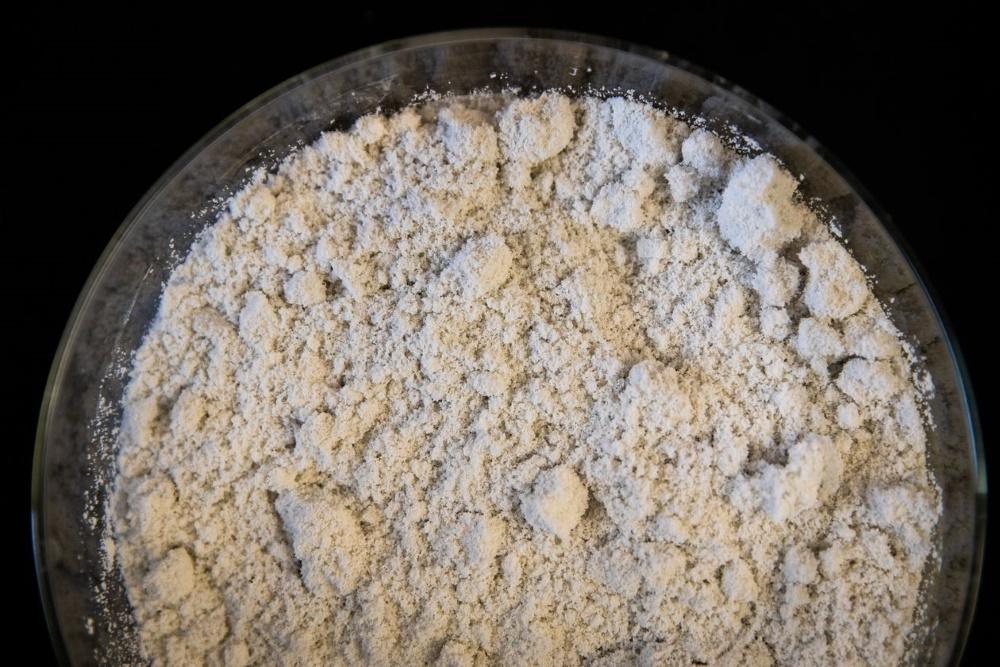 This photo shows what Lithium looks like after the smelting and recovery operation at the Redwood plant in Nevada.
What is so interesting about recycling to obtain raw materials is that around 2025, batteries from EVs will be available for recycling. This ensures the long-term viability of recycling to secure key raw materials.
But of even greater significance is the potential of cheaper lithium-ion batteries and the long-term security of the EV business. Not good news for the oil business.
03-13 Recycling
(blank) » John Bulloch » 20 Quirky Climate » 03 Technology »
Recycling old batteries for raw materials like Lithium, Nickel and Cobalt is the secret to bringing down the costs of batteries for Electric Vehicles.