It was 1943 and our first cottage was on Lake Simcoe in Ontario. We pumped up lake water for washing, but mother boiled it to make it potable. Then they drilled a well about 200 yards away, that was drinkable. And looking like a child in the third world, I gathered two pails of water a day.
Later in life building a home on the Lake, we discovered the well water was a “bloody” yellow colour. Before that water was drinkable we ran it through expensive carbon filters to take out all the organic material.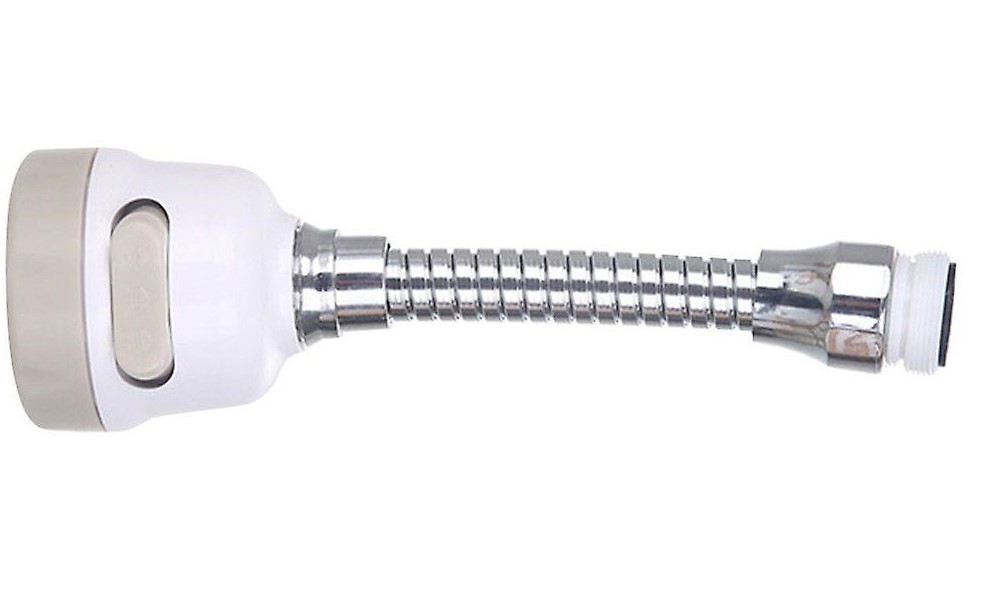 Then it was a holiday in Maui, where the tap water was not drinkable. No problem, just screw something on the tap that purifies the water. There were a dozen small and cheap gadgets for purifying water available locally.
Straws that act as purifiers are a great decentralized solution. Give a kid in Gambia a straw and he carries a possible life-saving device with him no matter where he goes.
This gets to the basics of potable water for developing nations. They don’t have tap water because only the wealthy can afford to have it piped into their home.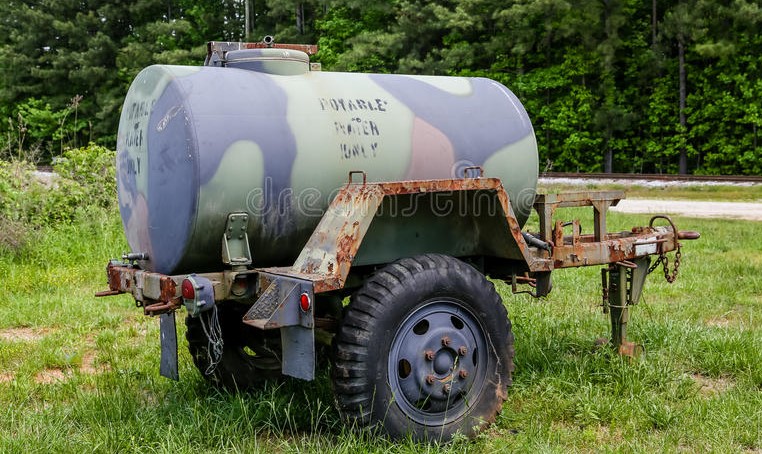 What they have is some form of water tank that hold their weekly water delivery from a centralized water treatment facility.
They might supplement their drinking water needs by gathering rainwater. Not pure but not bad. Somethings all you need to do is add a pill that kills the bugs.
Isn’t that what soldiers carry when fighting in tropical jungles. Losing your water pills can be a life and death issue.
What is so interesting about creating potable water is that water from the Nile or Lake Ontario is always different.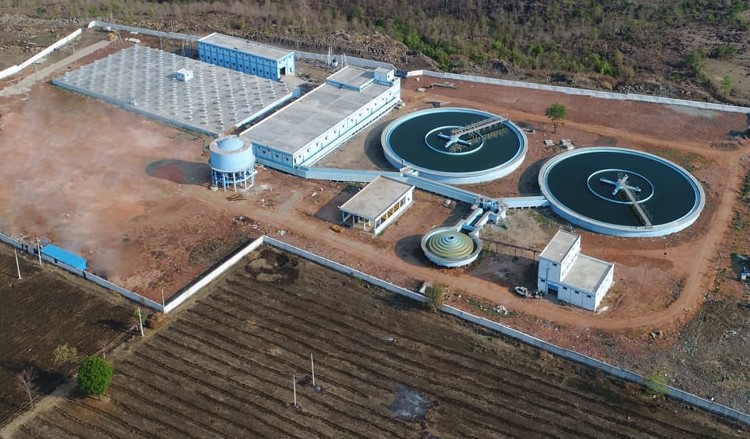 What civil engineers do is analyse the nature of the water-source and determine the appropriate technology to treat it. The first process is to remove the solids. This is followed by various filter technologies. Simple stuff like running the water through sand or gravel or charcoal. Chlorine? Well, if you don’t like the taste it means they had to add a heavy dose.
Those of us living near the Great Lakes are lucky. They can run those input pipes five miles from land and down deep so you are not getting any algae or other solids. Then it is just a matter of filtering and purifying the things you cannot see.
One thing I have learned about travelling to developing countries and staying in a hotel where they say you can drink the water, is to trust no one. I always travel with my own bottled water.
03-04 Potable Water
(blank) » John Bulloch » 20 Quirky Climate » 03 Technology »
Climate change means more of the world becoming water stressed. This requires more technologies to treat all kinds of water so it becomes potable or drinkable. Treating water from the Great Lakes, for example, is not as complex as treating water from the Nile.