My boss at the Cities Service refinery at Bronte, Ontario in 1960 was a full colonel from WW2. And he liked me to call him “Colonel”. His job during the war, not unlike his current job, was the logistics of moving fuels.
And because he worked for the Allies, who had different types of equipment, he had to keep tanks and other armored vehicles supplied with both gasoline and diesel fuel.
It was dangerous work and he lost a lot of men. So many battles were won or lost depending on the regularity of fuel supplies. And if you ever follow war movies, the first thing the good guys attempt is to bomb the enemy’s oil refineries.
What takes us to the subject of small nuclear reactors is the reality that armies around the world are moving into electric vehicles. They want equipment that does not require the space to carry fuel. And equipment that does not go “boom”. 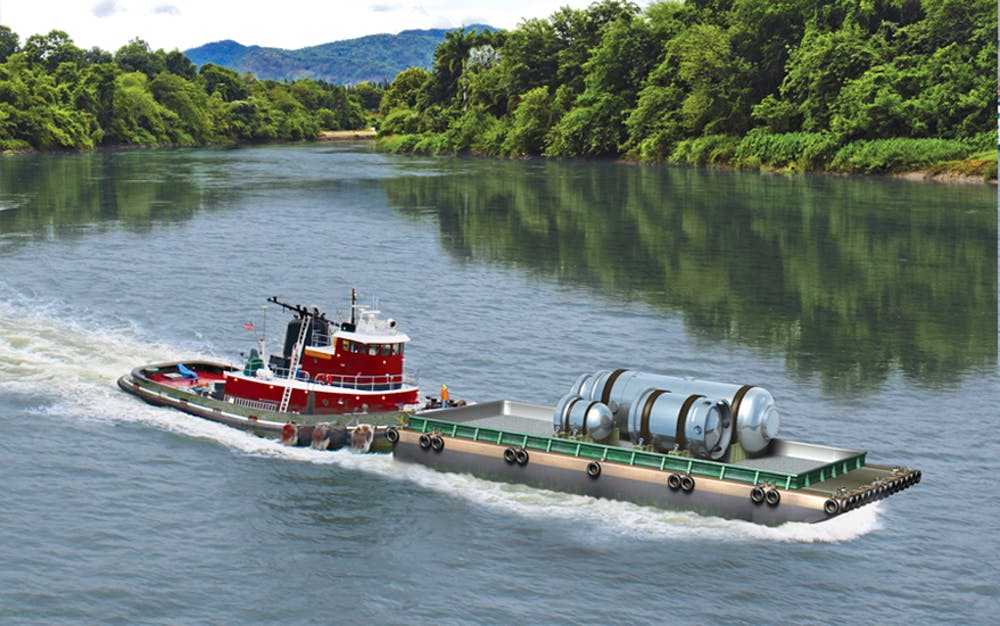 What they need is a new flexible factory-made power sources that can be shipped by plane, boat or truck behind the line. Well disguised, I would hope. The term here is Small Modular Reactors or SMDs.
Companies and governments around the world are experimenting with new technologies and designs for SMRs, and Canada is no exception. If there is any area of renewables research that will be full of surprises it will be small nuclear. Quirky. The impact on climate change by replacing coal and natural gas fired power plants will be significant.
The potential market for SMRs is in the order of a $100 billion a year. But this market will only be possible when SMRs are able to produce electricity that can compete with other low-cost renewables. We are not far away.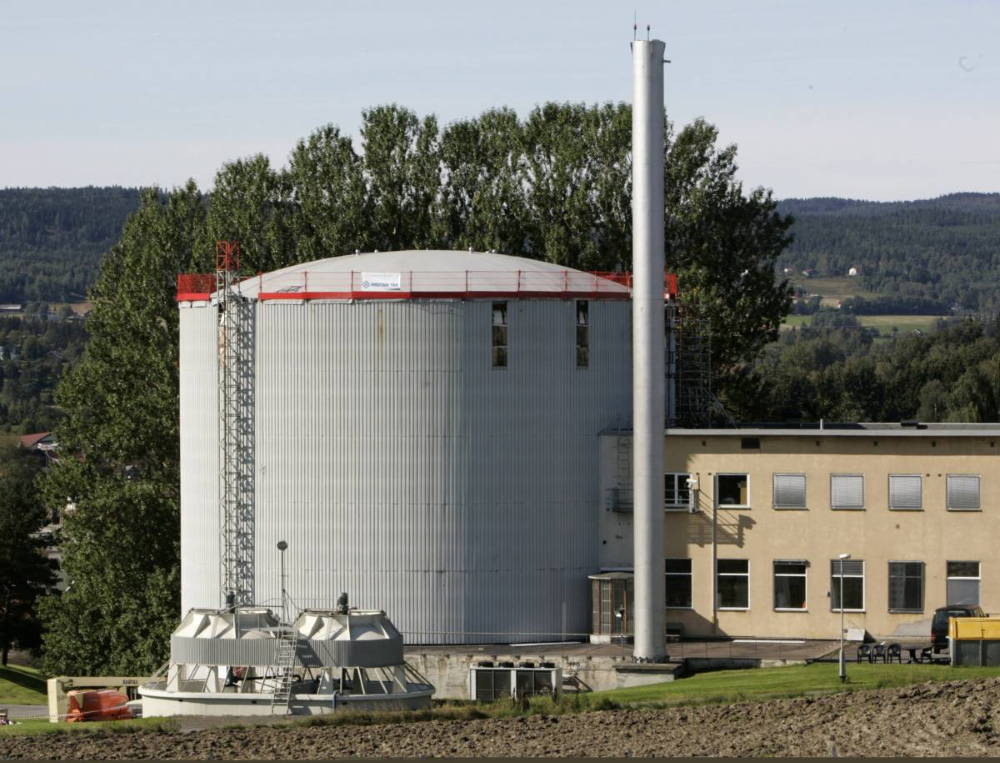 The photo is of a small nuclear reactor in Norway, which is an example of one of the many nations experimenting with small nuclear. The costs and risks are manageable, and the potential incomes and capital flows massive.
Canada, as much as anyone, knows all about cost overruns from building large on-site nuclear power plants. The risks and capital costs associated with these traditional installations are just too much for the less developed nations of the world.
SMRs, on the other hand, are not just cheaper to make and install, but require less staff, less maintenance, and produce lower levels of nuclear waste. In terms of efficiency, they will produce more power from less fuel.
And there are other things going on. Like the use of thorium instead of uranium for fueling nuclear reactors. I loved the Netflix series called Occupied. A story about Russia occupying Norway when a new government, with a green agenda, shuts down its natural gas fields in favour of thorium nuclear energy. Scary and quirky.
03-01 Small Nuclear
(blank) » John Bulloch » 20 Quirky Climate » 03 Technology »
Mini nuclear sites to power electric tanks and armoured vehicles. More power from less fuel.