It was a surprise during a visit to China in 1985, to discover that during WW2 hemp seed was a major food source. And that China is the world’s largest producer of hemp. Most of us on the tour at the time did not have a clue what the guide was talking about. Hemp for paper, rope and even clothing. Certainly. But as a nutritious food source? Big surprise.
The broad public interest in hemp today is not just its applications, but its value as a CO2 sink. Better than trees and better than plants.
And for those who see hemp as the climate saviour of the world, they are the people who are into hemp for salads and cookies. Worshipping hemp is becoming a new green religion.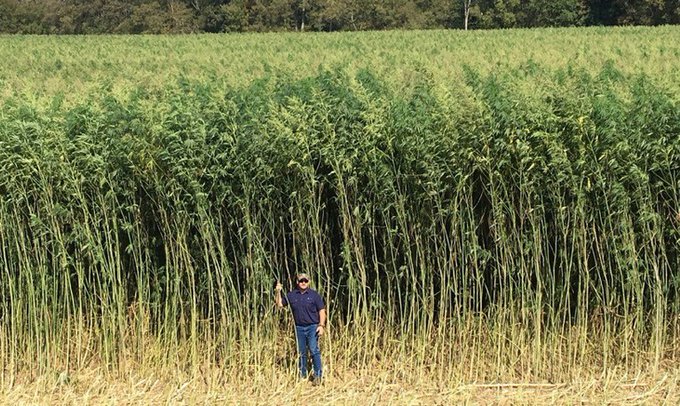 Hemp is one of the fastest growing plants in the world. And it grows without the need of fertilizers, pesticides and herbicides. Something like 13 feet in 100 days. It can become a money maker for the farm community if its demand ever takes off.
The major producers outside of China are Canada, France, the USA and Chile. There are naturally different varieties of hemp depending on whether the big interest is food, clothing, medicines or even construction material. And one of the hemp cousins is cannabis.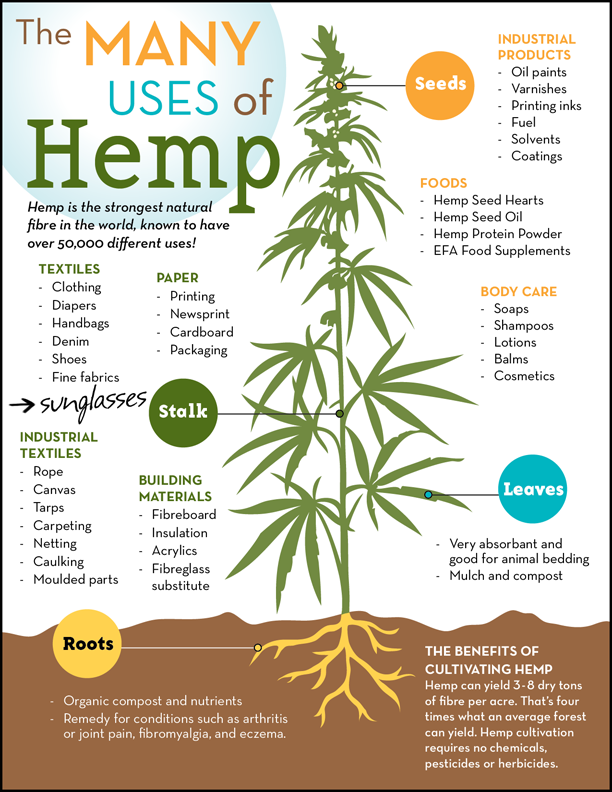 The graphic material gives a sense of the thousands of applications from hemp. Their seeds, flowers, stalks and even the roots can be used.
I was particularly interested in the manufacture of hemp-based plastic that is both biodegradable and non-toxic. Plastic that you don’t recycle and can put into your landfill. 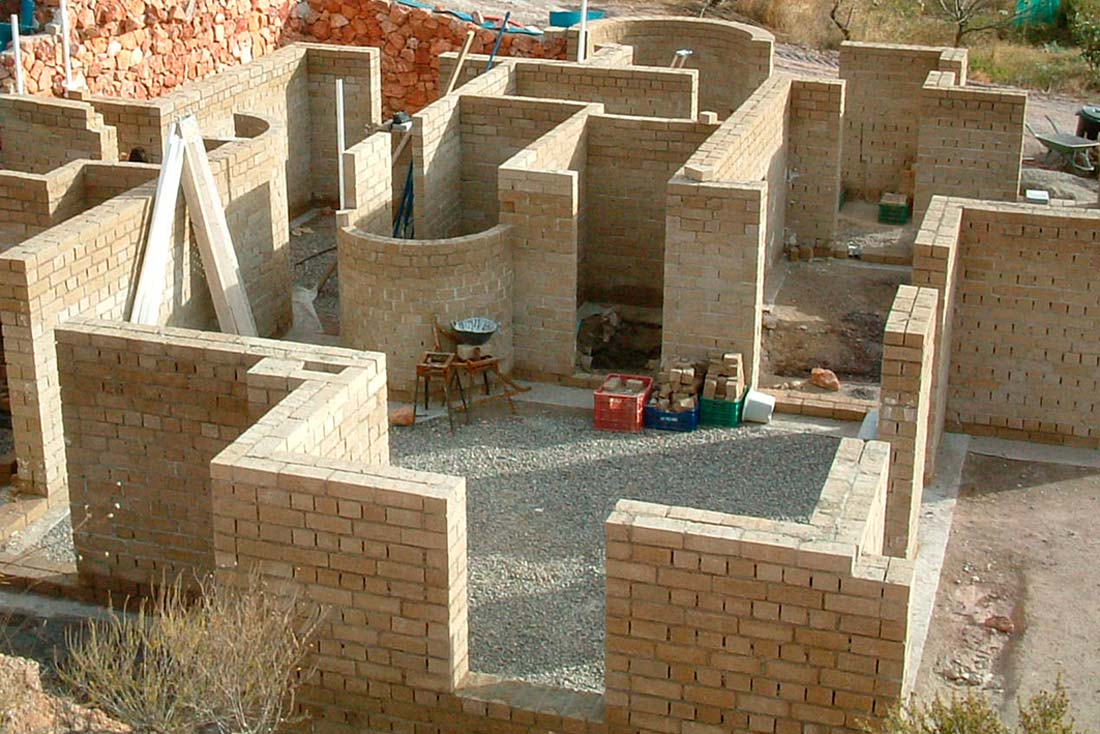 Another particular interest was the use of hemp as an aggregate in making green concrete. Hemp concrete is light, a strong insulating material and fireproof.
Bamboo is another fast growing climate crop like hemp. Unfortunately, the demand for both hemp and bamboo will increase not because the world wants to reduce climate change, but because there are so many new and exciting applications.
01-13 Hemp
(blank) » John Bulloch » 20 Quirky Climate » 01 Real Quirky »
Hemp is one of the fastest growing crops in the world and does not require fertilizers, pesticides or herbicides. It is a better CO2 sink than trees or plants. And there are thousands of applications from foods, medicines and clothing to concrete for building homes.