It was a visit on a cruise ship to the Antarctic in 2009 that we were boarded by seven scientists from the Arctowski Polish Research station. They were geologists and biologist, and all spoke English.
They explained how they were able to determine the nature of the earth’s climate in the past by analyzing the gases trapped in ice cores. In their area they were working with ice cores 4,000 years old, but at other research stations there were ice cores up to a million years old.
They told us that in every period where there was climate change there was “massive specie loss”. And that the world today was going into a period of climate change.
Of course, what they meant was all kinds of species, like plants, animals, fish, insects and whatever. And over time, they claimed, millions of species have come and gone.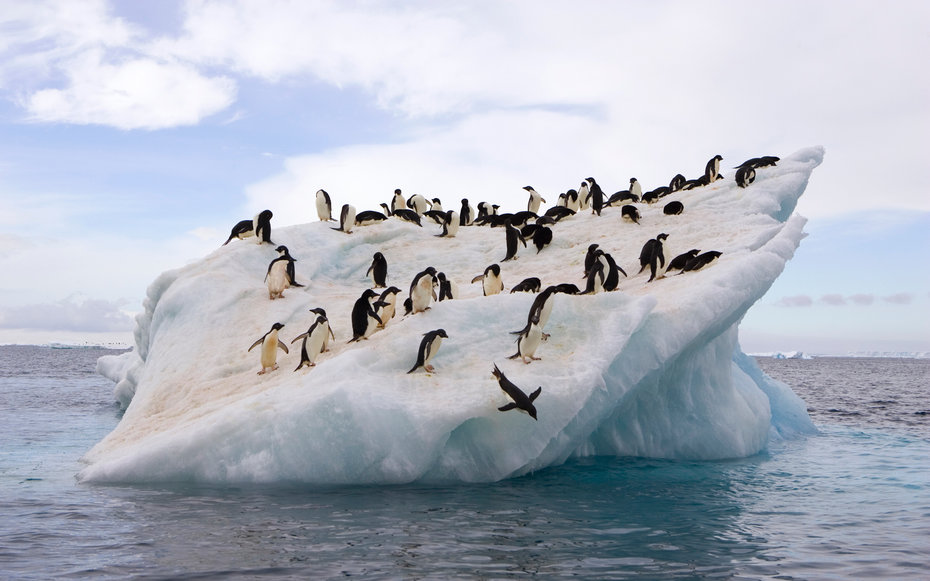 It was just the previous day that we saw an ice-flow covered with Adelie penguins, which are considered an endangered specie. They feed on krill under the ice and the number of these restaurants are shrinking.
It was very hard listening to these speakers to relate specie loss to our everyday life. They kept using terms like biodiversity and ecology.
I lived on Lake Simcoe in Ontario for decades and understood the linkages between species. We had a local mink that lived off the crayfish. And when zebra mussels invaded the lake and killed off the crayfish our mink disappeared. More like specie disappearance than specie loss.
And I can understand the relationship between predators like wolves keeping the population of elk from exploding and destroying the young trees that are home to all species of birds. It’s an Alberta story.
So, I can appreciate the argument that climate change is changing specie habitat, and some species will adapt to change and others won’t. It’s like zebra mussels changing the diversity of specie-life in Lake Simcoe.
The specie story most associated with climate change is polar bears who need ice flows to find seals. Well, polar bears are moving south, and grizzlies are moving north. And they don’t believe in social distancing. And the good news. Their offspring will eat both plants and meat. This is specie evolution.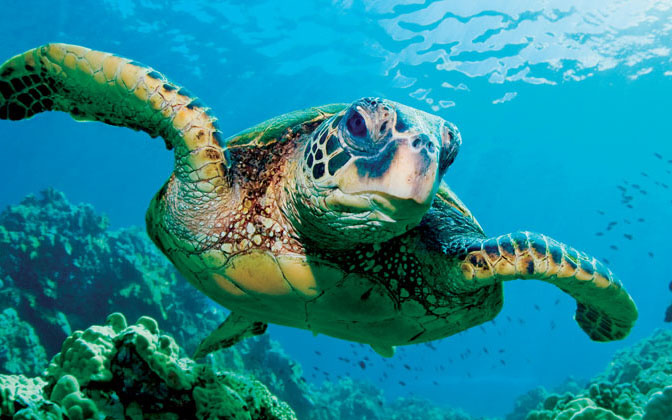 Another specie facing extinction as a result of climate change are sea turtles. Freaky weather around the world is destroying beaches where they lay their eggs.
So, whether we are losing habitat for species through human activity like cutting down trees to grow food, or we are just warming the planet through burning fossil fuels, specie loss seems inevitable.
The good news is a commitment by the nations of the world to plant a trillion trees. This should restore a lot of species, or help new species evolve.
It’s one of those subjects you never fully understand. Quirky
01-10 Specie Loss
(blank) » John Bulloch » 20 Quirky Climate » 01 Real Quirky »
Every period in history characterized by climate change has experienced massive specie loss. Millions of species have come and gone.