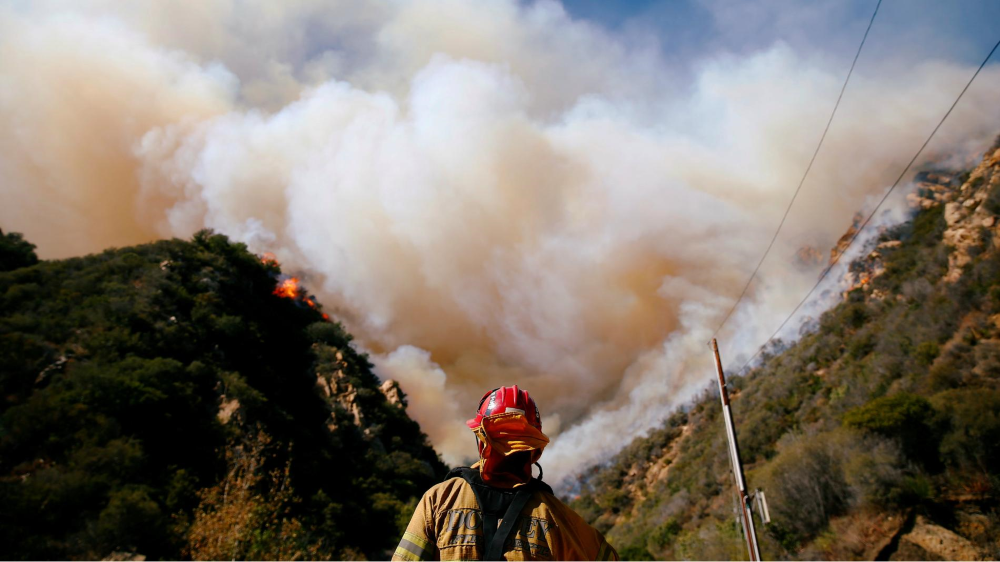
 My extended family in California were impacted by power outages in 2019. A mother travelled to live with her daughter. Others had to do their cooking on a barbeque. Food spoiled. A total mess. And the question they were asking is whether this is something that they will have to live with every year.
Apparently, it is. Climate change is bringing hot dry air together with high winds that are tearing down power lines and starting fires. The answer is to shut down the grid.
Something like two million people were impacted. So, it should be no surprise to anyone that there was a mass exodus off the grid. And, at the same time, a monster demand for new solar-battery facilities.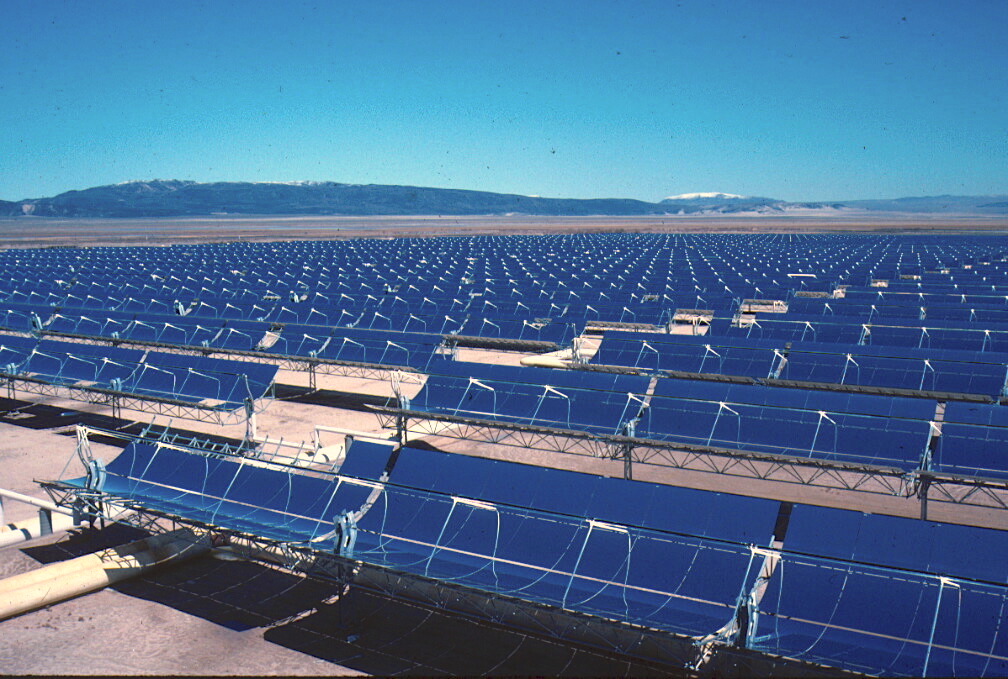 What is of special interest is that California is already a global leader in the utilization of solar energy. The photo shows one of many large solar facilities providing energy to the people living in the bigger cities.
And like so many nations in Europe, plans are being made to be free of fossil fuels by 2050. It means solar energy for residential and commercial facilities, and electric vehicles replacing combustion engines.
One of the impediments, however, is meeting the demand for low-cost battery storage to keep up with growth in the residential solar market. Although solar panels are coming down in price, the cost of batteries is still high.
The real pressure facing California is that it is destined to become a leader in the sale of electric vehicles, and they will power up at night when solar is not available.
It is a good argument for combining all forms of renewable energy: solar, wind, hydro and nuclear.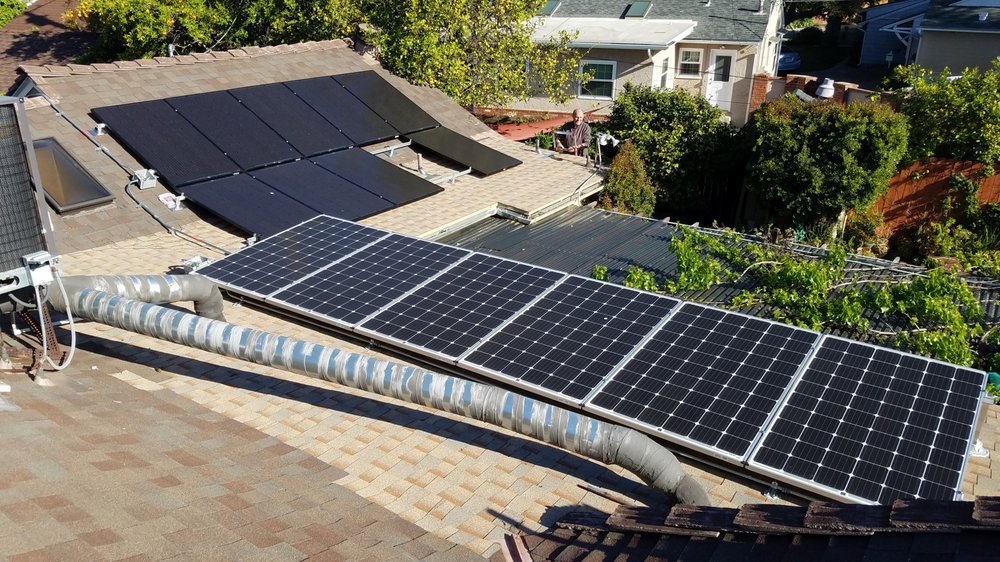 The big solar news for 2020 is a government edict, that all new residential construction must include rooftop solar. This makes economic sense, because an extra $10K on the price of a house or say an extra $40 per month on your mortgage will make it possible to reduce your electrical bill by something like $80 per month.
But here is the problem. These are systems without batteries that are linked to the grid. They are just like my brother-in-law’s system in Mexico, where the surplus energy he sends to the grid earns him money that reduces his electrical bill. There is no battery storage. When he is back in Canada during the summer his solar system in Mexico is sending energy into the grid that helps power up all the air conditioners.
But these systems are not a protection from fires. If the power is cut off during a fire, then the solar system linked to the grid also shuts down.
It looks like the future of solar is linked to the ongoing research and development of low-cost batteries. California is not the only part of the world that is on fire.
01-06 California Fires
(blank) » John Bulloch » 20 Quirky Climate » 01 Real Quirky »
California is not the only place on fire. Fires are fueling the demand for solar-battery systems.