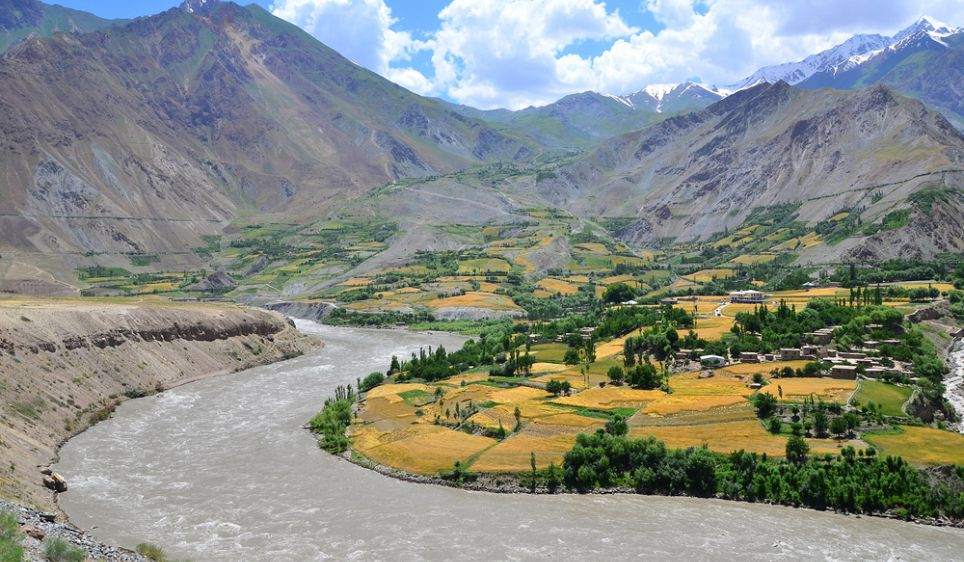
 Know anyone who has honeymooned in Turkmenistan? Or holidayed in Uzbekistan? How about Tajikistan and Azerbaijan? No? Well they don’t need your tourist dollars. They are all sitting on monster oil and gas reserves. It’s the area of Central Asia around the Crimean Sea that the world is watching in terms of oil conflicts. The photo is of Afghanistan near the border of Tajikistan.
And, all this energy has to get to market, somehow. Not so easy. Because if the pipelines do not go through Iran, the only other route is though Afghanistan. Any question why the US is still in Afghanistan? At least the Americans and the Taliban, who used to run Afghanistan, can agree on one thing. The need to use their nation as a conduit for oil and gas pipelines. The Taliban fighter in the photo is referred to as a “militant”.
So many of the world’s conflicts can be traced to control over the revenues from oil and gas and the importance of fossil fuels for industry and the military.
The US invasion of Iraq, called the Gulf War, was supposedly about “Weapons of Mass Destruction”, but more likely about controlling the Iraq oil fields and global energy prices.
And how about the British invasion of the Falkland Islands to drive out the Argentinians who were trying to reclaim the land. I have been there, and it seems like a “nothing place” with some of the world’s worst weather. Except the area is sitting on massive oil and gas deposits.
Look around the world and it seems the history of conflict is all about fossil fuels. How about the Sudan, Nigeria, Iraq and Syria, Crimea and the Black Sea and the South China Sea.
And fast forward to today, with the world moving into the age of renewables. Not easy to do with a billion people in the developing world needing energy to produce electricity.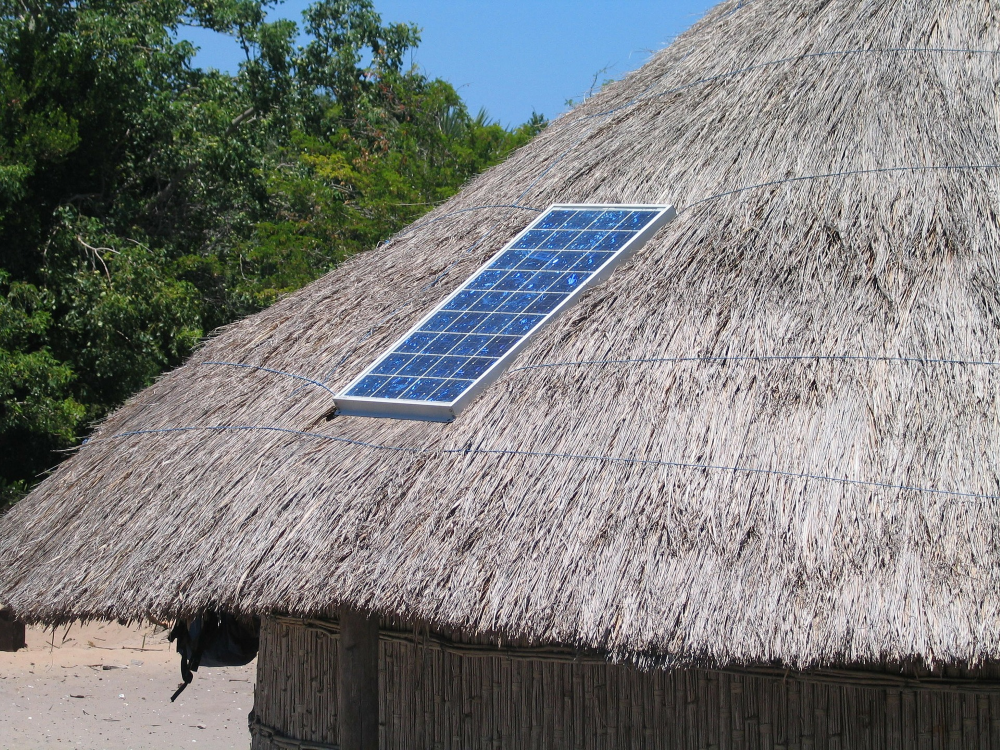 The photo of a solar panel on the thatched roof of a home in Africa seems heartwarming. It is a partial solution for providing electricity in those parts of the world without electrical grids. No conflict here.
But the explosion of solar technology means a different source of energy conflict. It’s the materials that go into solar panels and batteries that will be in short supply. Minerals like lithium, cobalt and magnesium. And the Congo controls 60% of the world’s supply of cobalt. And China controls half of the world’s supply of lithium.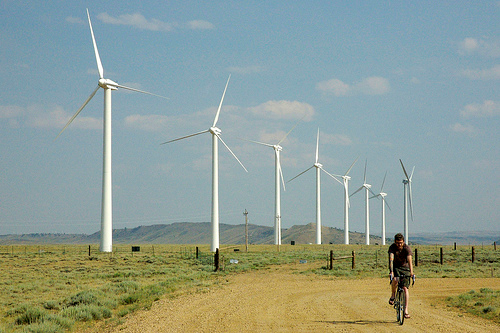 And, another source of conflict is the location of wind farms. In Denmark which has been a leader in applying wind turbine technology, people complain that living near a wind farm means trouble sleeping and falling property values.
And what about developed nations trying to reduce greenhouse gases, and still protect the jobs and revenues linked to fossil fuels. The government of Canada, in the last election, discovered what it means to go “greenish”. It meant losing all seats in the energy provinces of Alberta and Saskatchewan.
It forecasts the nature of future energy conflicts for the nation’s supplying the world with fossil fuels. How do you shut down the coal fields of Australia or the tar sands of Canada. Indonesia will just replace Australia. And Venezuela will replace Canada.
10-01 The Issues
(blank) » John Bulloch » 19 Global Issues » 10 Energy Conflicts »