If a nation is selling more diapers for seniors than for babies, there is a problem. If the schools are empty and the nursing homes full, there is a problem. The problem is in Japan and it is the fertility rate of Japanese women.
Actually, Japan has the lowest fertility rate of any of the developed countries, and will shortly be losing its population at the rate of a million persons each year. Are they a species facing extinction?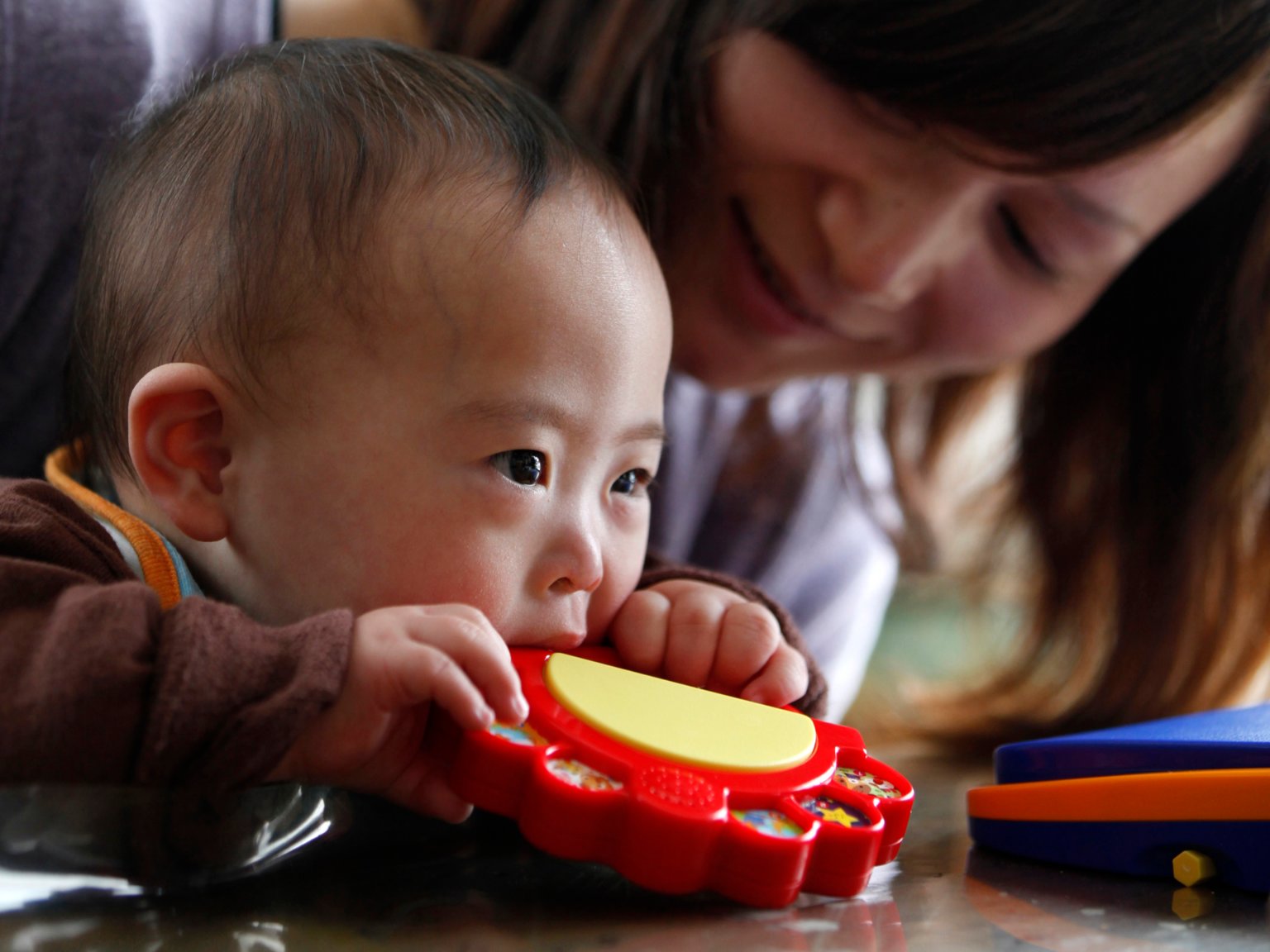 Of course, Japan’s government is trying to encourage marriage and children in every way possible.
But this is not just Japan’s problem. In Denmark, governments are encouraging what they call the “Do it for Denmark” program. In Russia it is about, “Having a baby and winning a fridge”. In South Korea it is about going home early third Wednesday and you know, “fooling around”. In Romania, they are not so friendly. “No babies and you pay more taxes.”
Essentially, the low birth rate in Japan is a demographic time bomb, with so many seniors and so few young people to pay the necessary taxes. Never mind the massive decline in the size of the domestic economy.
To give a comparison with the US, Japan’s elderly represent 27% of the population whereas in the US, the elderly are only 15% of the population.
Even today, Japan is facing serious labour shortages. Part of the answer is to invest production facilities in nations that are buying their products, like Canada, the US, Australia and the EU. Another approach has been to specialize in the technology of robotics and artificial intelligence. And these robots are being developed to do a whole range of mediocre jobs. It is an attempt to find an engineering solution to a biological problem.
Then there is the Japanese boom is sex robots. Not so mediocre. But not a good replacement for the real thing. That is producing babies.
What is so interesting trying to understand low birth rates in Japan is that it is also a problem for all the developed nations. And there is only two options, immigration or public policy to encourage higher birth rates.
The Anglo-Saxon nations like Canada, the US, Australia. Britain and New Zealand seem comfortable encouraging immigration.
The organization I created with its head office in Toronto was a pure Anglo-Saxon mix of employees 45 years ago. Today the head office looks more like the United Nations. But it is just as productive, and people work together as a team just as they did in my day.
Those nations that are successfully supporting child-bearing policies rather than immigration are France and Sweden. There, massive investments are being made to provide low-cost child support facilities, so women can have children and still work.
One thing is obvious to me. The global population is moving from 7 billion to 10 billion in the next 25 years. And this growth is all in the undeveloped nations of the world.
So, immigration will either be a thoughtful carefully managed approach to shrinking populations in nations like Japan or massive numbers of displaced people will simply be landing on their shores.
Are children that are half Japanese and half Korean such a scary future?
03-03 Fertility
(blank) » John Bulloch » 15 National Issues » 05 Japan »