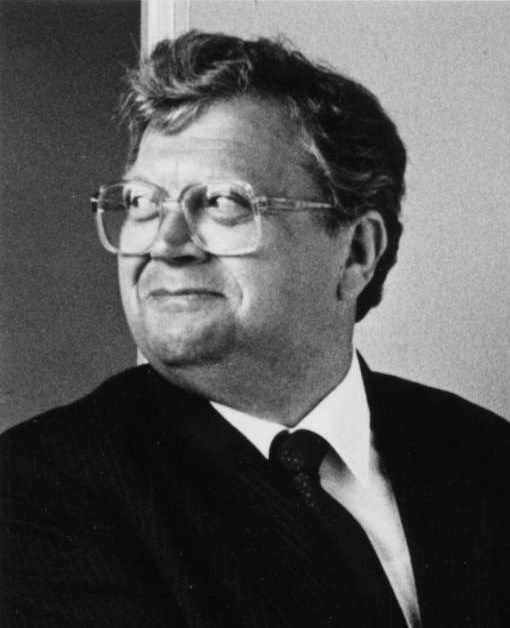
 “The nation’s finances were in such disorder that we instructed our diplomatic posts abroad to pay government expenses using their personal credit cards.” These were the comments of the former Prime Minister of New Zealand, David Lange, during an interview in October 1994 in Wellington.
I was headed to the capital city after the 21st International Small Business Congress held in Jakarta, Indonesia. I wanted to understand how the new Labour Government elected in July 1984 had handled its financial crisis. It was the best lesson in economics I ever had.
And I owe a lot of thanks to the Canadian Trade Commissioner who lined up two days of meetings in Wellington, with the prize being an hour with the former Prime Minister.
New Zealand prior to the run on its currency in 1984 and the government’s inability to borrow, was a nation of protectionism, subsidies and state dominated industries.
And it took a social democratic government to shift the nation to an open, competitive, free market economy.
The first thing I learned is that if a government wants to have its currency pegged to the US dollar, its economy should be as productive as the US economy. And in the case of New Zealand, it wasn’t. The answer was massive agricultural subsidies. You can just smell the operational deficits the government was running.
Well here are some of the actions taken by the Labour Government to deal with the financial crisis. It was right-wing economics from a left-wing government.
The currency became a floating currency. All subsidies were eliminated over night. Income and property taxes were reduced significantly, and consumption taxes increased. And the new value-added consumption tax was called the GST. Tariffs on imports were eliminated. And state-controlled enterprises were privatized.
It was so interesting listening to the former Prime Minister trying to rationalize the former policies of New Zealand as an effort to support family farms and small business. And lots of governments around the world use subsidies and other preferences to create jobs via small firms.
The Canadian Federation of Independent Business or CFIB, which I created, had a very different philosophy. We wanted to build strong small-scale enterprises within a free market economy.
The big lesson from the New Zealand crisis, which supported the CFIB philosophy, is that the new policies created small firms who became more specialized. Farmers that used to make only 35 different products from milk were soon producing over 2000 different products. Chocolate cheese, anyone?
And during a tour of South New Zealand, I met a farmer who sold his herd of sheep in 1984 and specialized in raising “high performance rams”. He didn’t explain what he meant by “high performance”, but I got the picture.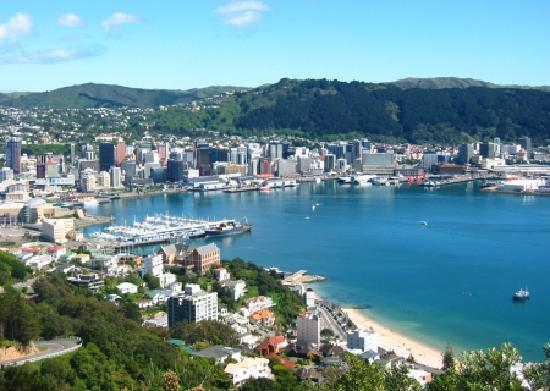 But, Wellington was more than economics. It was a beautiful city with a great harbour. I still have that Wellington sheepskin rug in front of our fireplace.
01-03 Wellington 1994
(blank) » John Bulloch » 14 Australia and NZ »