When you are old you live through change. The only thing that is constant is change. And when it comes to globalism, it is also changing. More movement of data than goods and services. Local agriculture, fish farming and manufacturing.
Then every day or so, my wife chats with her brother in Mexico or our daughter in California using audio and video messaging technology. Here are some stories:
A winter in Clearwater, Florida and an early dinner at a fish restaurant. Not much fish from the sea, but lots from Indonesia. Frozen and shipped from Jakarta to Miami and then delivered by truck to restaurants around the state.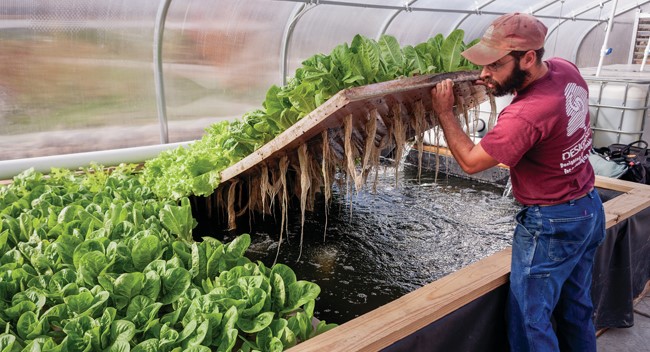 Now this restaurant owner drops around daily to an aquaponics facility that produces fish and vegetables together. The vegetables grow in water and this is called hydroponics. But the nutrient is the fish poo. This aquafarm is in a greenhouse. No fossil fuels used for fertilizers, herbicides, pesticides or transportation. Everything fresh.
And believe it or not. That caviar that used to come from Russia is now produced in Florida fish farms.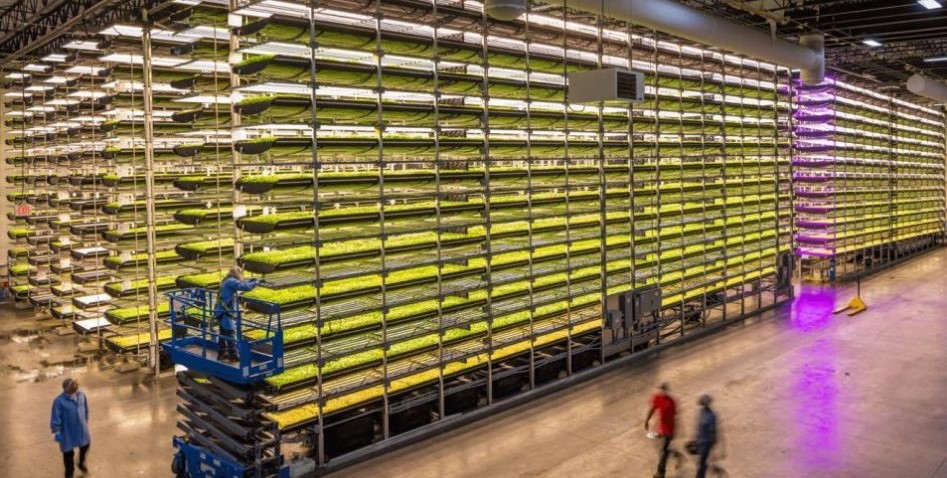 Another great experience was cruising out of Copenhagen in Denmark. This is a nation that had to import most of its food. But it now has a 14 story hydroponics facility that produces a wide range of vegetables.
What makes it so economical is the use of wind power to create the electricity that keeps those LED lights burning 24 hours a day and 365 days a year.
It’s also a great solution for populations living in hot climates that are getting hotter. Lots of vertical farming, as it is called, in Saudi Arabia.
The big story is manufacturing. The disruption of supply chains linked to Covid-19. Low birth rates and shortages of labor. The fear of diseases spread by the warming climate and more local vaccine production facilities. And, there isn’t a manufacturing company in the world that is not applying robots for some portion of its production or assembly.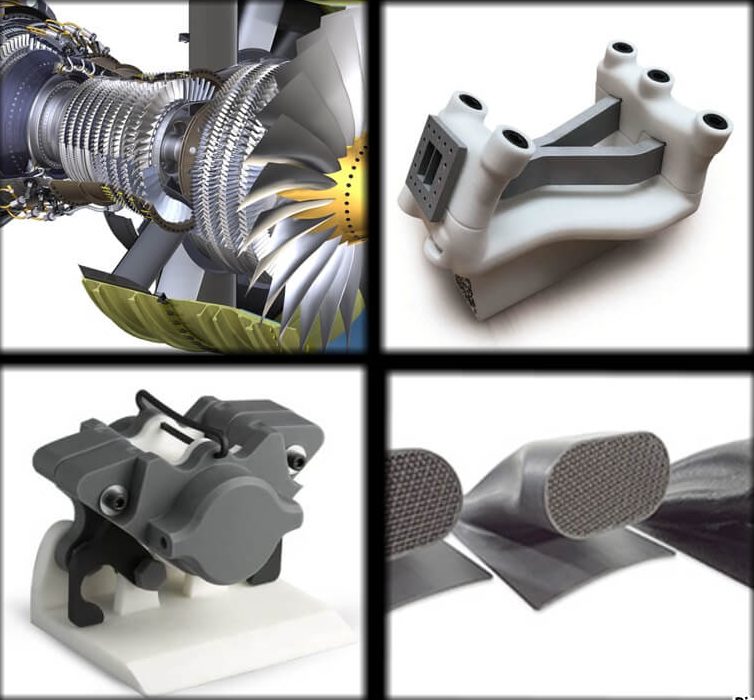 My favorite technology is called 3-D Printing. It’s about layering plastic or metal powders layer by layer to create component parts. The photos show some parts made by 3-D Printing for the aerospace industry. Not only do they reduce costs, but they eliminate hundreds of small imported components.
So much of what is called back-sourcing or bringing production home is not about jobs. The reality is that most companies are complaining about labor shortages. It is more about operating in a world that is reducing its use of fossil fuels.
Anyways, just got a call from my wife asking me to join her in a face to face chat with our daughter in California using our I-pads.
01-03 Change
(blank) » John Bulloch » 12 Israel » 01 Understanding »
Although a lot fishing, farming and manufacturing is coming home, we still can see globalism when it comes to the transfer of data, ideas and chatter using new technologies. Globalism is changing.