Three amazing experiences in Manilla in 1977 helped me understand the beginnings of what we now call globalism. The first was seeing traffic in the downtown area come to a halt as armies of kids in blue uniforms coming out of school stopped traffic in every direction for at least thirty minutes.
The second was being shown a new industrial development by the Canadian trade commissioner where 200 US plants were under construction. It had all been put together a year after the Vietnam war in 1975.
The third was being propositioned by a girl of 14 during a short walk in the hotel area before hitting the sack. I bought her a meal, and she said she was the bread winner for her mother and two sisters because her father was a Communist and hiding in the hills.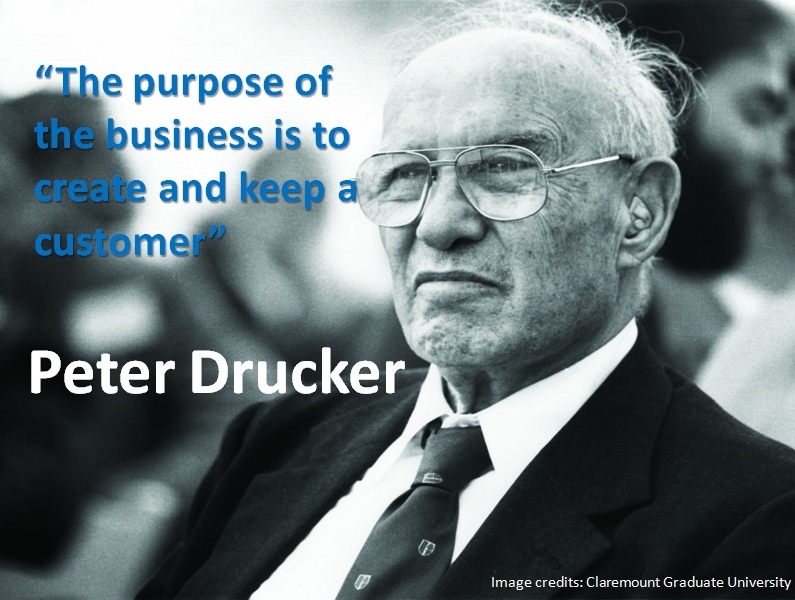 It all came together at the International Small Business Symposium in Seoul, Korea a week later. The guest speaker was Peter F Drucker, the famous management consultant. We had a private meeting and he laughed when I told him six of his books were compulsory reading when I was an MBA student. Drucker had also been an adviser to President Gerald Ford.
Drucker’s address at the Symposium focused on the need for industry to invest in the nations of Asia to prevent the spread of Communism. The big global threat, he claimed, were the armies of young people coming into the labour markets of the developing nations.
He was describing what I had just recently seen and experienced during my week in the Philippines.
He called building labour-intensive component parts of US products “production-sharing”. It was 10 percent of global trade at that time. But his argument was that it must move to 50% if the West is to stop the spread of Communism.
And US investments in South Asia were soon followed by similar spending by Japan, Britain, Germany and the Netherlands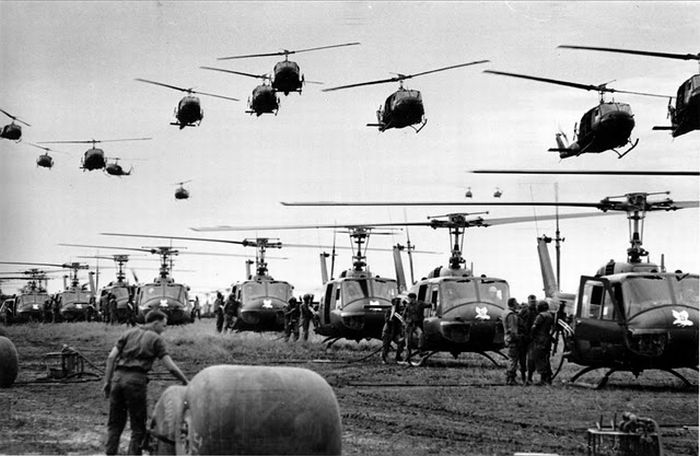 A special lesson at the time was linked to the war in Vietnam, which the US lost. Americans just changed tactics and took the war against Communism into the world of trade of investment where they excelled.
If there is a father of globalism, it would be Peter F Drucker and President Gerald Ford.
01-01 Production-Sharing
(blank) » John Bulloch » 12 Israel » 01 Understanding »
During the 1970s, what we call globalism was referred to as production-sharing. It was about US firms investing in South Asia to make labor-intensive components for their products and to create jobs for the armies of young people coming into the labor markets.