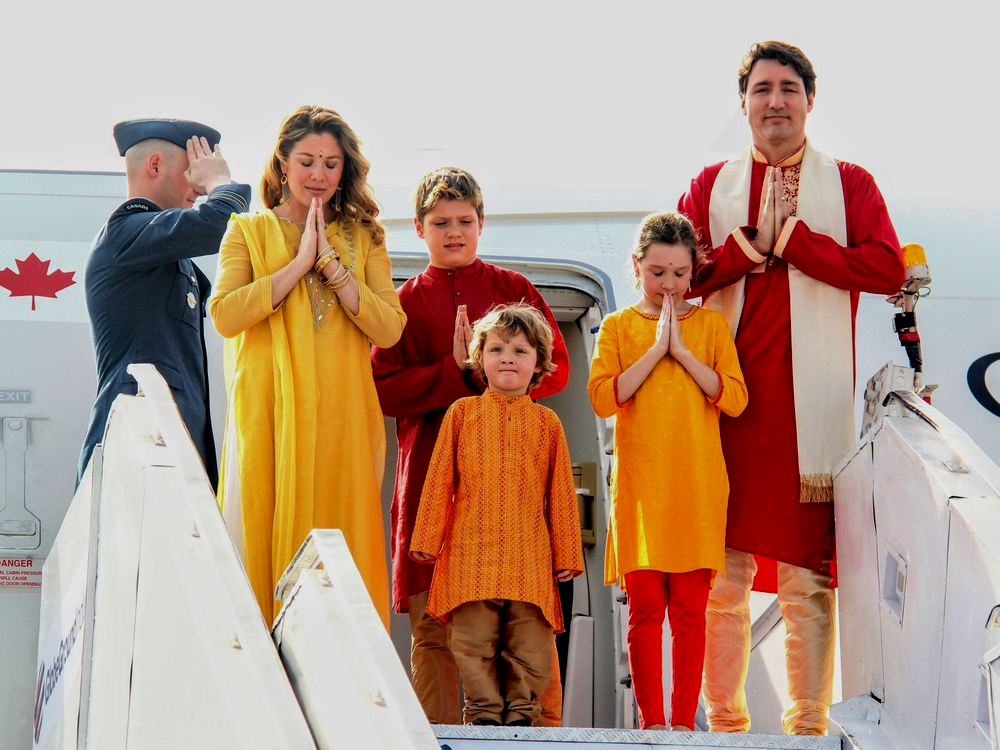
 It is not difficult to understand that for the next twenty years it was hard for Canada and India to build a strong economic relationship. So it is easy to appreciate that the visits by PM Modi and PM Trudeau is about forgetting the past. Anyway, if you like politics, you certainly like show business. And, what we have here is show business.
These state visits are essential nevertheless. And it was only three years back in 1985 that Prime Minister Narendra Modi visited Canada. Good politics make for good commerce.
What has been going on behind the scenes is an attempt to negotiate a free trade agreement with India which they call the Comprehensive Economic Partnership Agreement or CEPA.
Our present economic relationship regarding two-way trade is something like $8 billion. But compared to a $22 billion trading relationship between Germany and India, our economic ties are relatively weak.
You would think they would be stronger with four Sikh cabinet ministers in the Trudeau cabinet. And the leader of the NDP, Jagmet Singh, is also a Sikh.
But Sikhs are only 2% of the population of India, and most come from the northern state of Punjab. Back in the early 1980s, there was a Sikh movement to create part of Punjab as a separate Sikh state. This ended up in riots in 1984, and a major confrontation between Sikhs and the Hindu led federal government.
Lots of Sikhs emigrated to Canada. It is so unfortunate when they bring their politics with them. Like the bombing of an Air India flight in 1985 by separatist Sikh elements, living in Vancouver, that killed 329 people.
I remember the event distinctly because of the criticism of Prime Minister Brian Mulroney calling the PM of India to offer his condolences rather than to the families of the Canadians killed in the bombing. Most killed were Canadian citizens of Indian descent.
It was in 2014, when visiting the staff of the Canadian Federation of Independent Business in Regina, that I was given the opportunity to visit a farmer who was growing lentils as his primary crop. He had been a wheat farmer but found more money to be made in lentils. What was so interesting is that most of his crop was shipped to India, which at the time was free of tariffs.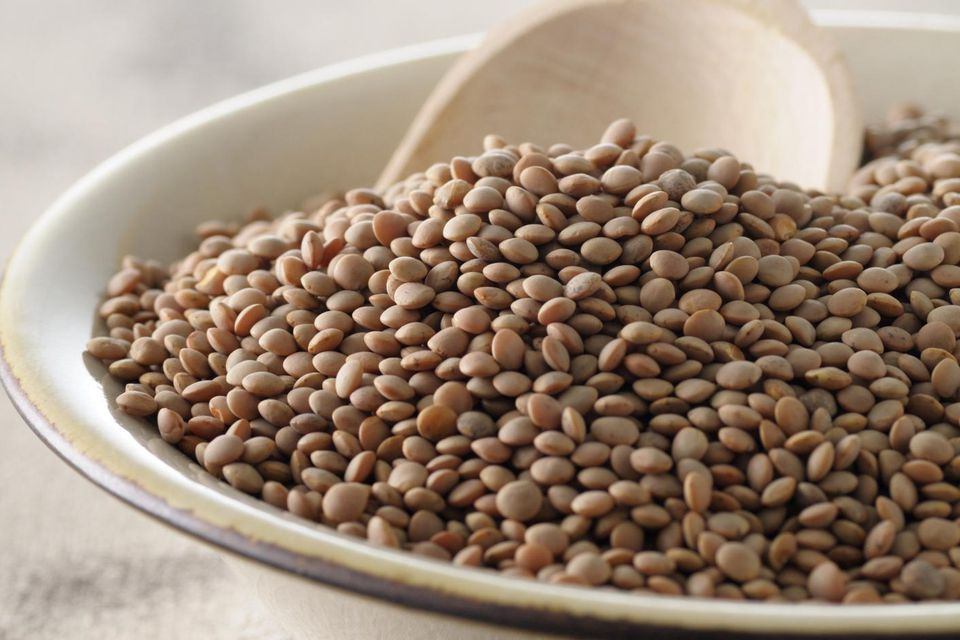 Well, I not only received a small package of what looked like dried peas but a book of recipes for using lentils.
Neither my wife nor I had heard of the term 'pulse crops', which include peas, lentils and chickpeas. The major exporter of pulse crops to India is the province of Saskatchewan.
Here is my personal angle on pulse crops. I use the services of a “diabetes nurse” that monitors my blood sugar and suggests changes in my diet. During my last visit, chickpeas as hummus was suggested as an addition to my diet.
Those who have been to India know the nation is predominately vegetarian. Cows, believe it or not, are a religious symbol to Hindus. But a billion people cannot all be wrong regarding the health benefits of vegetable protein.
The big shock in November 2017 was India imposing a 50% tariff on peas and a 30% tariff on lentils and chickpeas. I guess Canada and India do need to negotiate a free trade agreement, so the farmers of western Canada have a market they can count on.
But from my efforts to understand India, I have been introduced to lentils and chickpeas. Nothing confusing about living healthy.
04-02 Not Confusing
(blank) » John Bulloch » 11 Emerging Powers » 04 India »