Artificial Intelligence is becoming the most significant development of the past century. And if we do not pay heed to warnings from Stephen Hawking, Bill Gates, Elon Musk and their ilk, this might be our last development.
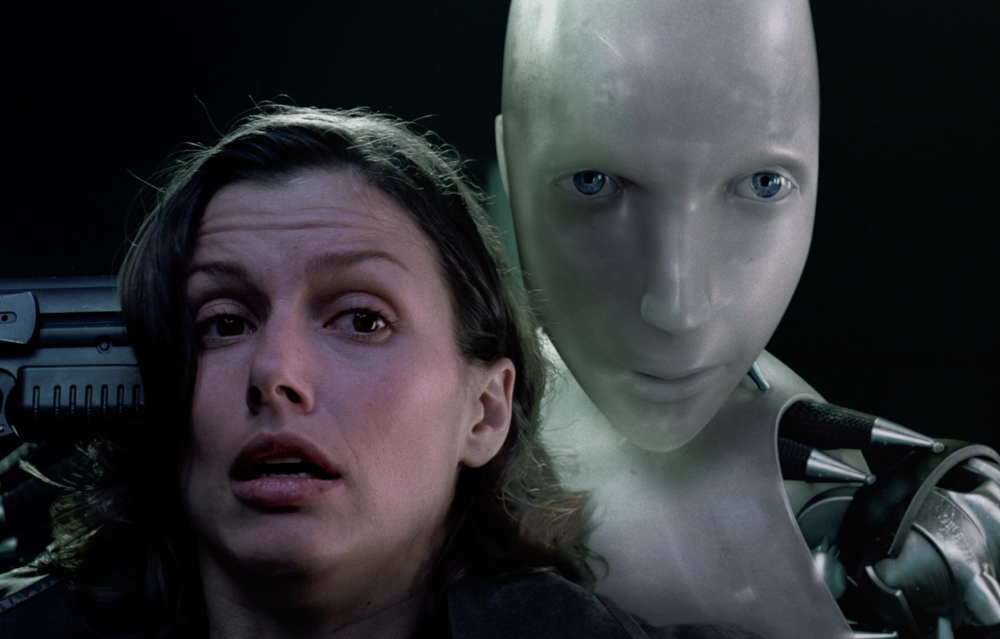
In the movie ‘I, Robot’, a cop played by Will Smith hates robots. After a collision which caused their cars to fall off a bridge, a robot swam under water and saved his life but let the little girl drown. The robot determined that he had a better chance of survival.
That kind of scenario gives us pause. Who will teach our AI the rules of life? Will it be the young white men from Silicon Valley?
Runaway robots, self-controlled weapons of war and unmanned medical devices all give us pause. While we are all hopeful that our business and political leaders will try and lay an intelligent foundation, I fear that like the Social Media abuse, it will probably take an ugly example of AI run amok before we try and rein it in.
Elon Musk believes that in five years AI will reach a state of super-intelligence; ie intelligence far beyond our own. And five years from then, AI will have more intelligence than all the minds on the planet.
What the hell is AI? Nobody really knows. We can’t touch it or tax it. All we know is that a bunch of stuff came together enabling the development of AI. Stuff like big data, great hardware and software and sensors everywhere.
The most incredible example of AI is Google Search. It’s so amazing, so easy to use and so ubiquitous that we don’t think twice about it. Of course, that’s the challenge posed by AI, it creeps up on you. Actually it appears to be creeping but it’s being developed by every player on the planet and the demand for AI professionals is overwhelming. If you are twenty years old, ensure that some aspect of AI becomes part of your development.
Case in point, Google bought the British AI startup Deep Mind for half a billion dollars. That’s a serious investment. Any AI firm with any decent stuff is being chased by the big boys. My son just got a job working for a big bank developing risk models using AI. I’m not sure what that means. I’m not even sure the bank knows – but everyone is moving in that direction.
When IBM’s AI beat the best at chess and won at Jeopardy a decade ago, we were understandably in awe. When Google’s AI beat the best at that complex game called GO, our minds were blown away. One interesting aspect of the GO challenge was studying the moves the AI made. They found that fascinating and very different from a human player’s moves. Think about that. AI machines are not just doing what we do faster and better but they do things differently, optimally, based on their rules and objectives. These are called algorithms and AI changes their algorithm on the fly. Now think about that.
When a self-driving car encounters something unusual then every self-driving vehicle in that network now has that experience and related algorithm at its disposal.
AI likes to start with a ton of facts/stuff/history. A medical device that has consumed millions of images of brain scans can very quickly and very efficiently pinpoint a tumor with great certainty. Consider that the average brain surgeon might have only seen a few hundred such scans. Does this threaten the value of our brain surgeons? AI challenges more than truck drivers.
AI’s impact on warfare will be shocking and provide enormous advantage to its creators. Military drones can wipe out bad actors in the Sudan with the press of a button from a fancy trailer outside of Las Vegas.
The benefits and challenges that will hit the next generation will be staggering. But, if we get it right, then rather than fearing our robots, we might learn to love them. Maybe literally.
07-10 AI
(blank) » John Bulloch » 07 Disruptors »
By Peter Bulloch