Preparing for the Lalonde Budget of 1983 was challenging. 1982 had been a difficult time for the nation and for the small business community: high inflation, high interest rates, high unemployment, high small business closures and a nasty confrontation with the previous Minister of Finance over his November 1981 Budget.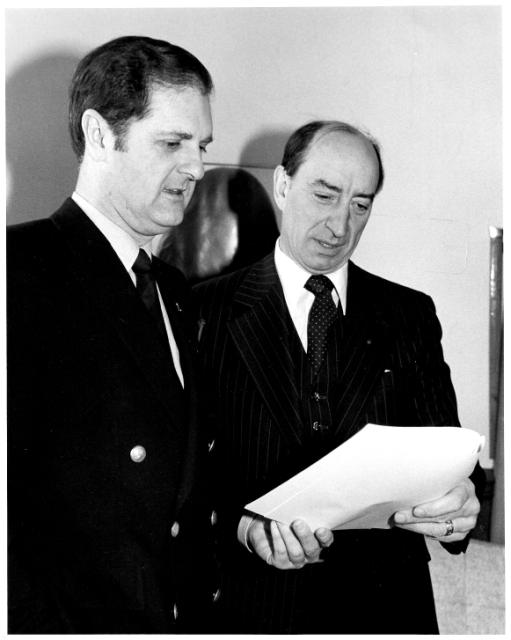 An excellent and lengthy pre-budget meeting was held with Mr. Lalonde, and it was quickly evident that he was on top of his file and trying to mend relations with the business community in general and small business in particular.
Our focus was not on deficit spending to spur the economy, but on private sector investment spending. We wanted more generous investment tax credits to reward risky outlays on new methods and products by small and large firms.
And to help firms deal with cash flow problems linked to serious losses, we asked for a more generous loss carryback and forward provision. So if a small firm had an operating loss in a particular year, they could apply that loss against the earnings of the past three years and/or against the revenues of the next seven years. 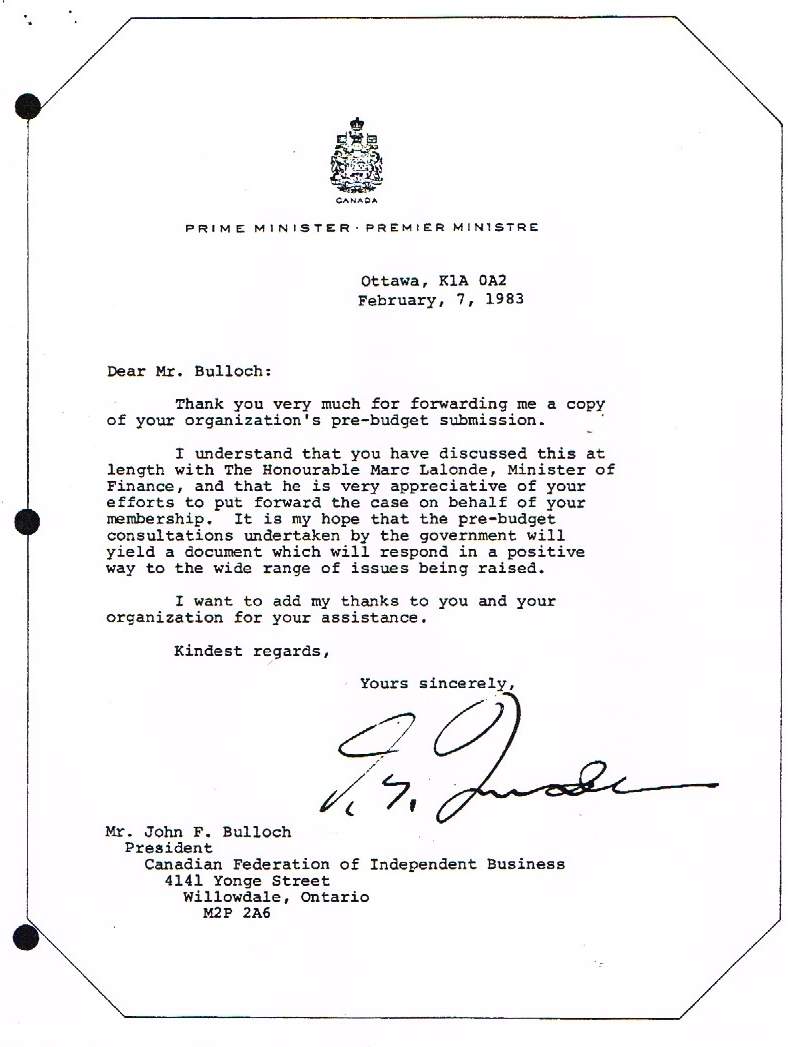 It was usual for CFIB to always send a copy of our brief to the Prime Minister's office, but not normal to get a personal response. It was made evident by his letter that Prime Minister Trudeau was taking a personal interest in repairing relations with CFIB.
We achieved a significant victory with the acceptance of our policy suggestions and on top of that, Lalonde got rid of what was called the Cumulative Deduction Account. Up until then, small business corporations could enjoy a low rate on the first $150,000 of taxable income up to a cumulative lifetime amount of $750,000. However, the record keeping associated with this life-time earnings account was difficult and expensive. This measure saved every small firm roughly $300 in legal and accounting costs and took away the limits to which small firms could enjoy the small business corporate tax rate.
Whenever there has been a period of conflict between the government and CFIB, it is usually followed by some form of rapprochement. However, what is also true is that when there has been a period of goodwill, that is when they think they can get away with a political club to the back of the head. Political friendships are always dangerous and should never be trusted.