It was November 12, 1981, and I was in the CBC studio waiting to go on air to comment on the MacEachen Budget, but I was still waiting for them to give me a copy of the Budget papers. When they arrived, I had only ten minutes to look them over, but quickly recognized an extensive slew of tax budget proposals that had been dropped when John Turner wrote the 1972 tax legislation.
On national television, I called the budget a "bag of snakes". It was just what came into my head, but that comment was picked up by all the media across Canada. And a fight ensued that lasted well into 1982. The joke was that famous expression on budget night was something my brother had said to me a year earlier and it found a little spot at the back of my brain.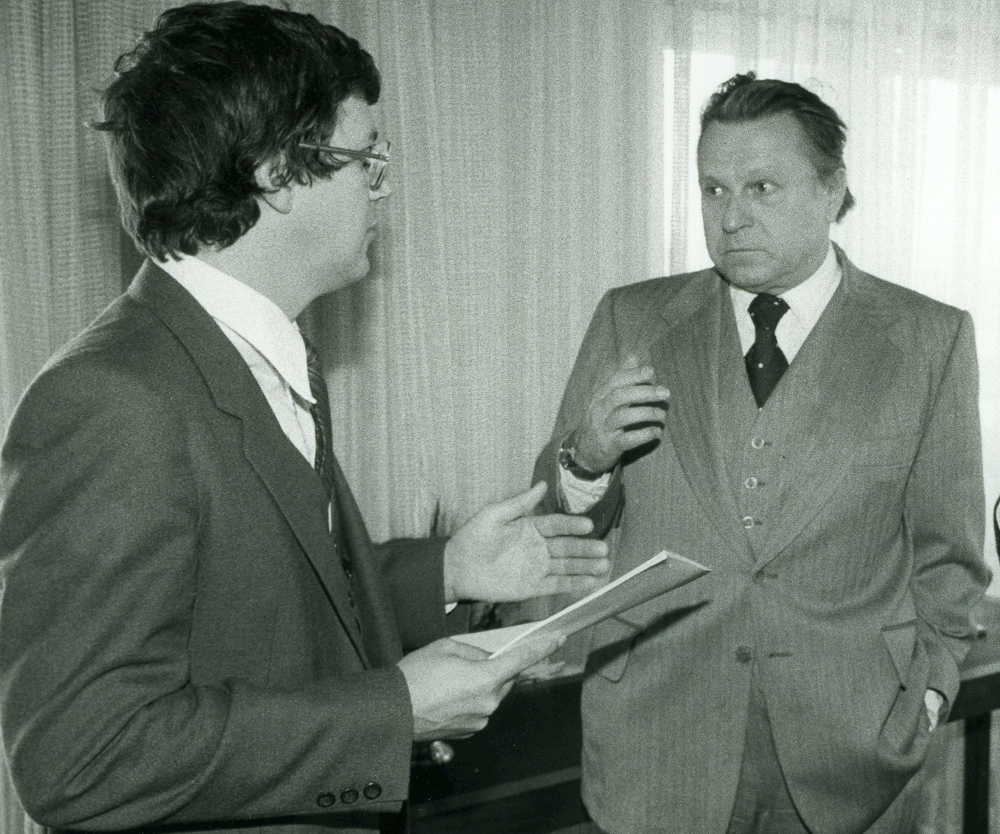 Jim Bennett and I had had our pre-budget consultations, but no one knew that we would be dealing with a budget prepared by the same bureaucrats that had their proposals rejected a decade earlier. Obviously, the Finance Minister did not have a clue. Only tax specialists really knew what was going on.
There were about 160 amendments to the Income Tax Act. The apologists for the Government, and every government has them standing by, claimed that the Income Tax changes of 1972 were basic changes and the budget proposals of 1981 were all the necessary refinements. But having been through this process once before, I knew otherwise. The key bureaucrats were biding their time until they had a Finance Minister and a Deputy Minister who knew nothing about the tax system.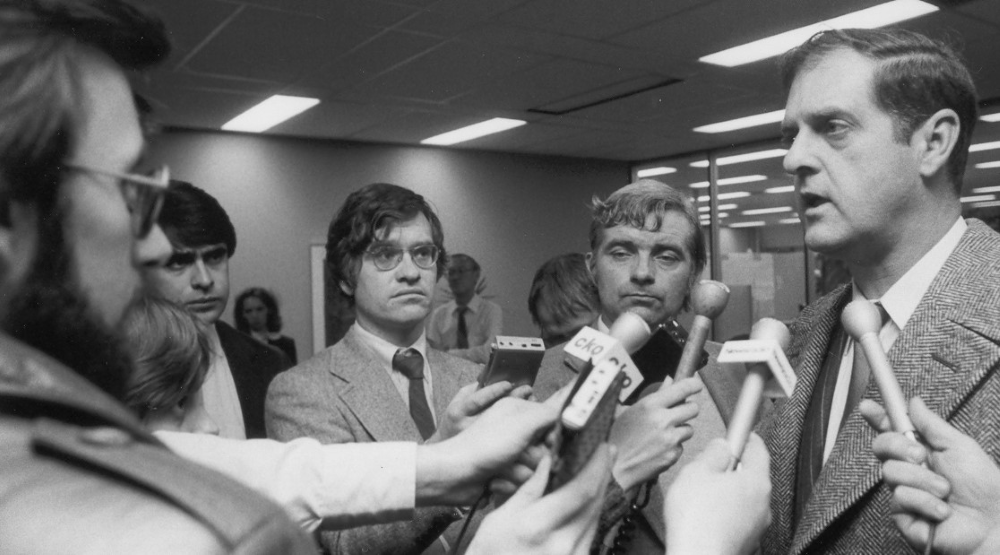 I publicly referred to Allan MacEachen as "Alice in Blunderland" and launched a media blitz. In the photo, I am sounding off at a news conference about a budget process controlled by faceless bureaucrats.
As in the previous tax battle of 1970, about 20 per cent was explainable and 80% utterly incomprehensible. You could explain initiatives to tax employee benefits, but who can explain things like the taxation of accrued income, or changes in corporate rollover provisions, or changes in dividend tax credits and so on. To show we were technically credible as well as angry, we put a full-page ad in the Globe and Mail focussing on ten essential elements that were harmful to the economy and small business.
In this budget, a massive set of changes was proposed without any public debate or discussion. This received criticism across Canada. The trouble with trying to change something technical without debate, is that governments make horrible mistakes. It is an age-old problem of bureaucrats that have not worked in the private sector not being good enough for the job. It seemed every area of the economy and every province was at war with the budget proposals of 1981 and massive changes were made and only about half of the original proposals implemented.
I had become a bit of an expert on the politics of tax reform. The lessons for governments are two-fold: Make changes in small chunks only, and bring in outside experts to do the job.