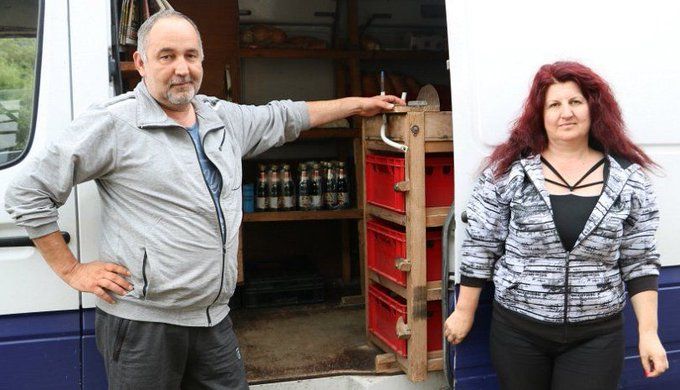
 The photo of a travelling grocery story in Bulgaria helps appreciate the politics of agriculture. Here is a nation that has allowed its rural agricultural industry to slip into decline. And with young people rejecting farming and moving to the cities, local rural shops have all closed down.
Everyone can appreciate that food drives the world. So it is not hard to understand that agriculture is politicized. Politicians are sensitive to votes in rural communities whose economies are all linked to some form of farming. 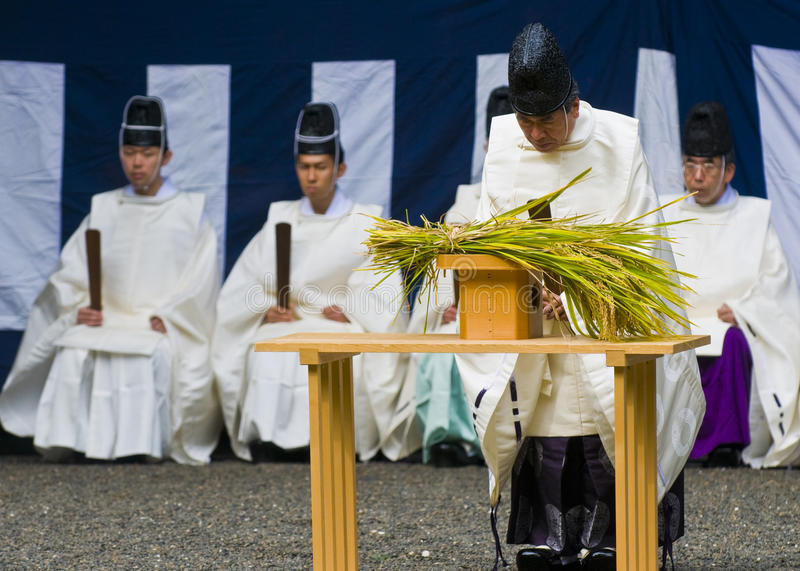 I have travelled through Japan on a couple of occasions. And to the Japanese, there is something special about its production and consumption of rice. They import very little rice, and only when weather impacts crops. In facts at several occasions I have witnesses rice harvesting ceremonies.
So it is no surprise that governments in Japan of all political stripes subsidize and support its domestic rice industry. This does not mean Japan is food protectionist with its major imports of other crops and livestock. Rice is politics. Wheat is not.
What makes farming complex and political is that small scale farming is capital-intensive. Normally, what distinguishes small scale and large scale business is that the former is labor-intensive and the later capital-intensive. But not in farming. This why governments everywhere have various mechanisms to keep small scale farming viable.
They subsidize domestic farm production. And, they impose import quotas. It is all complex and hard for the average person to understand. Of course.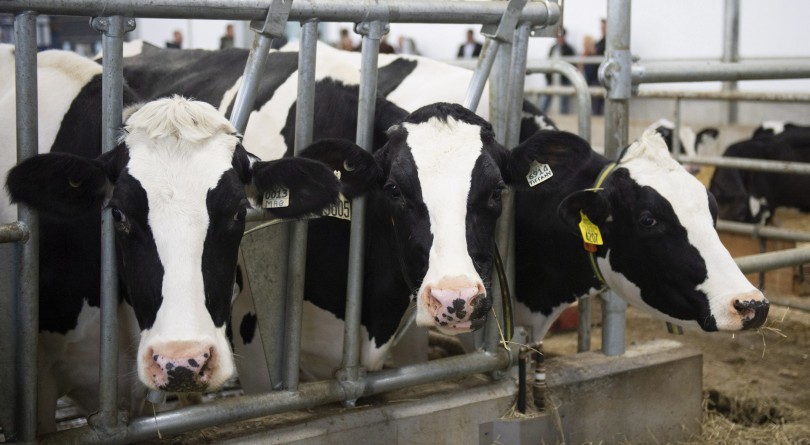 Canada protects its dairy industry from US imports. The reality is that our smaller scale industry is less competitive. Close down our dairy industry and you close down rural Quebec. Not possible.
It was only a few years ago that I visited a pulse farmer about 30 miles from Regina, Saskatchewan. Pulse crops are things like beans, lentils, peas and chickpeas.
When my father emigrated to Canada in 1928, he had to work on a farm 30 miles from Regina. My farm visit was very emotional.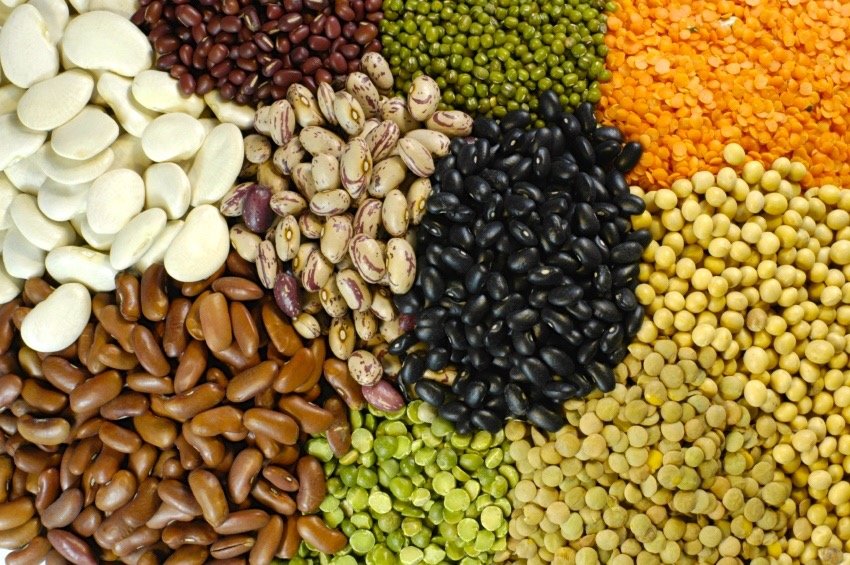 All of his crop of lentils was exported to India. Lots of protein in pulse crops, and an important part of the Indian vegetarian diet.
But, the year following my visit to Saskatchewan, India put a reduced quota for imported pulse crops, which hammered the farmer I visited. Agricultural politics.
04-01 Politics
(blank) » John Bulloch » 29 Quirky Globalism » 04 Agriculture »
Every nation is involved in the politics of agriculture. A nation like Canada may be protectionist on dairy, but a global exporter of wheat and pulse crops. Japan protects its rice producers, but imports cereals and beef.