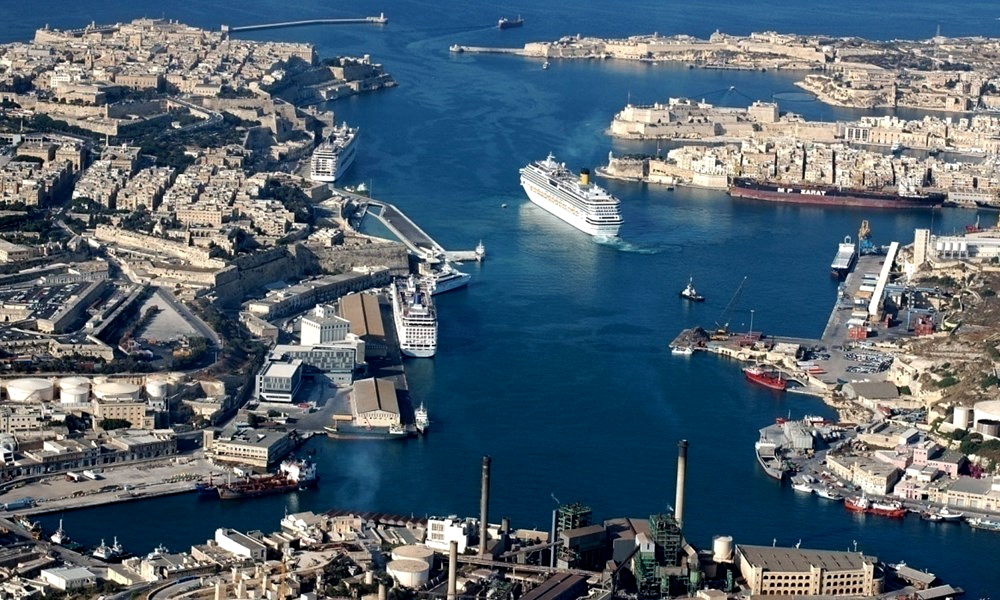
 The aerial photo of the harbour in Valletta on the island of Malta shows the presence of cruise ships. Malta and the sister island, Gozo, are hot tourist destinations.
But when my wife and I were there in 1982, Valletta was the home of the British Fleet, and a new government had just been elected to throw them out. The government saw its future in tourism.
Today, something like 2.6 million visitors hit the islands each year to soak up its history, architecture and unique culture. But this is putting a strain on the island. Too many buildings and roads are replacing trees and agriculture.
It is called desertification, something threatening the whole Mediterranean region. In history when an area that was fertile slowly turns into a desert, we have desertification.
Desertification today is quirky with the impact so surprising because it is taking place so quickly. We have no historical experience with the present climate warming phenomenon.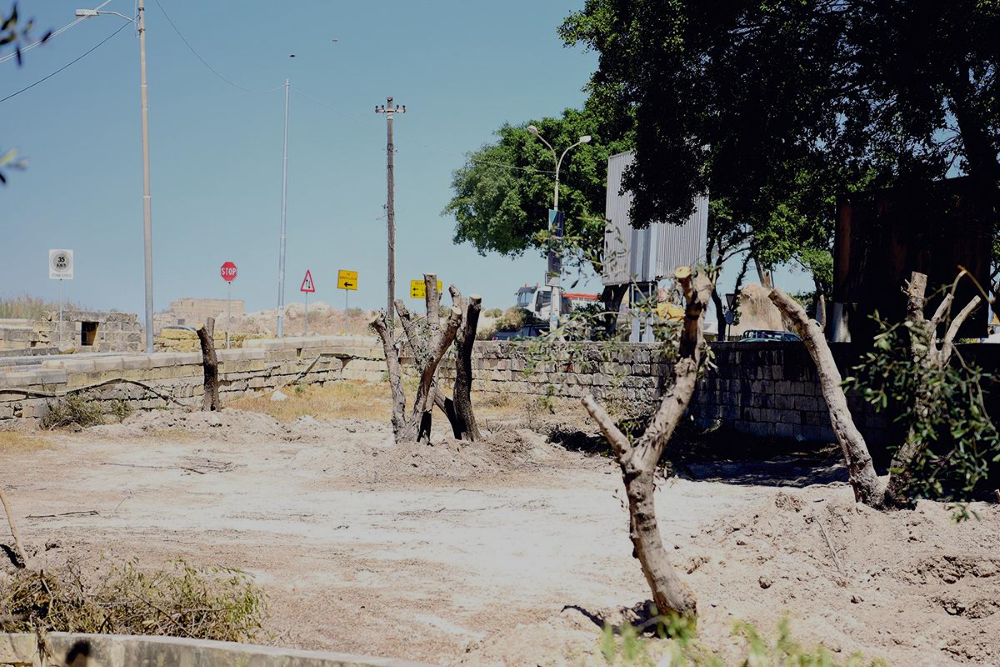 There are the man-made pressures like overgrazing or from cutting down trees. The photo shows trees being cut down to prepare an area on Malta for a new highway.
Then there is global warming which is making areas with restricted amounts of rainfall both hotter and drier. The Mediterranean and the Maltese islands are facing this kind of crisis. It means fewer farmers and the remaining farmers being older subsistence farmers. And the nation importing massive quantities of food.
When we spent a week in Gozo, we had good ground water to drink. But today both islands rely on desalination for more than half of their drinking water.
Those engaged in a serious debate on desertification are talking about planting trees, building more desalination plants, reducing the number of tourists, and growing organic food without fertilizer and pesticides. What is happening is that these chemicals are getting into their aquifers. Not too tasty. 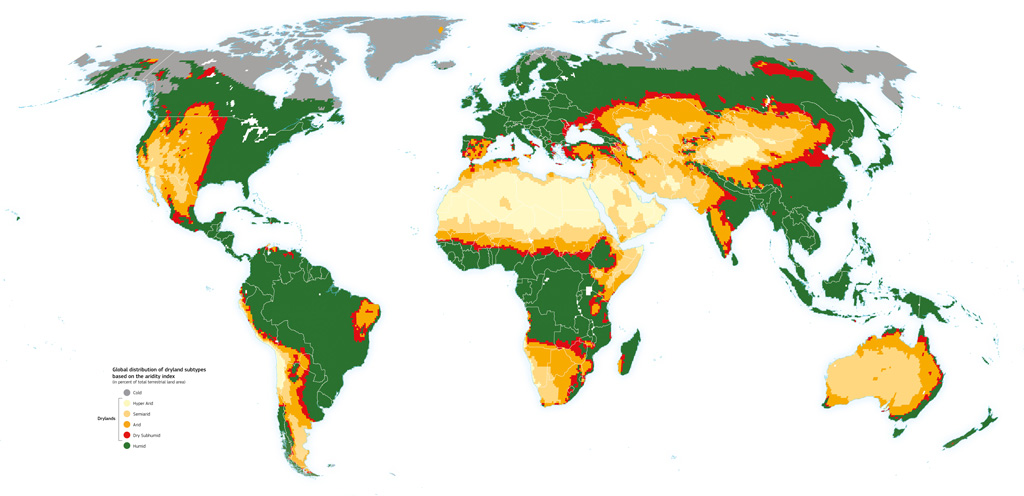 But Malta is just one example of desertification that is impacting 20% of the world’s land mass. The drawing shows clearly the areas impacted. Notice the winners in the north, like Russia, Canada and the Nordic nations.
Notice also that about a third of the US is impacted. There are significant areas of the US that will simply become uninhabitable without action. Fortunately, desalination is an option the US can afford. And planting trees.
But that is not an option for a lot of the nations in South America and Africa. What will happen is that their more affluent and educated citizens will emigrate. This puts their former homelands into a downward economic spiral.
Climate change is not just an economic and social upheaval but a national security threat. Pay attention world. Remember that awful word, desertification.
01-04 Malta
(blank) » John Bulloch » 20 Quirky Climate » 01 Real Quirky »
20% of the world is becoming desert-like. There is Malta, and a third of the US.