It is easy to suggest that Arctic nations will be climate winners. Areas opened-up for agriculture, reduced spending on heating, and an explosion of resource development. And with these changes come major shifts in population and property values.
But the climate changes for Russia are of a different magnitude. Something that will enhance the country’s status as a superpower and change the geopolitics of the world.
During my visit to Russian in the late 1980s, my impression was a nation that was only good at big things. They were obvious leaders in science and space technologies, and yet, everything sold in their GUM department store in Moscow was simply junk.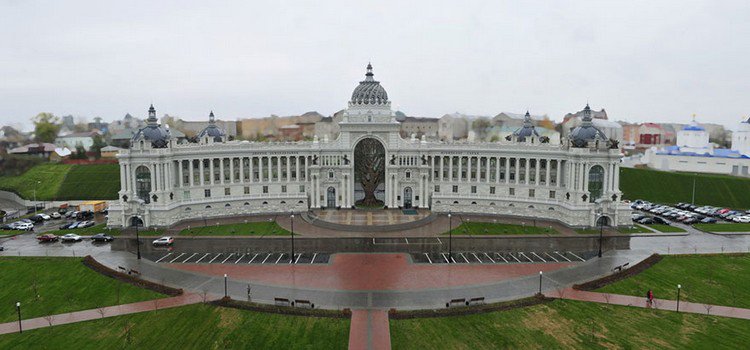 The photo of the Russian Ministry of Agriculture building makes my point. It is a magnificent structure. But the boring apartment buildings that people live in are of a different quality. You were warned not to walk on the sidewalks next to one of their new buildings, because their so-called cement from between the bricks would fall on your head.
In terms of agriculture Russia is already a superpower and a world leader in the export of wheat and corn. But it is also a nation with a vast, frigid wasteland that will gradually become productive as it is converted to agriculture.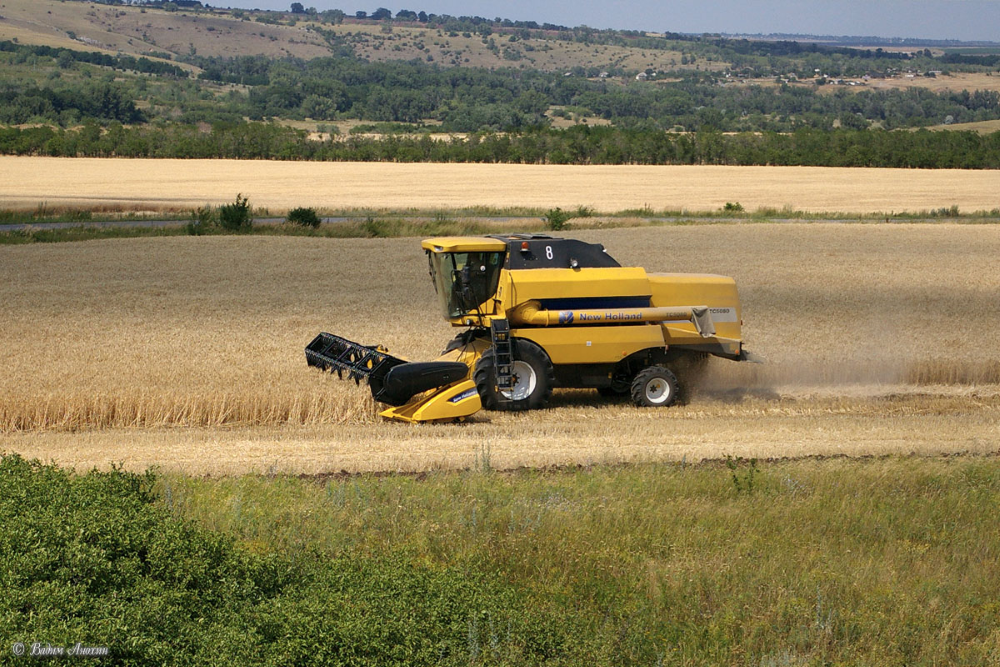 The photo of farming in Russia shows a farm with modern equipment. Russia obviously competes successfully with agricultural superpowers like Australia, Canada and the United States.
And, if we assume huge areas of southern Europe, the Middle East and China will have farm areas in the future that are too arid for food production, we can assume Russian surpluses will fill the void. This is more than nations becoming dependent on Russia for food. It is geopolitics.
Part of the changing geopolitics linked to Russia is the supply of natural gas directly to China today via pipeline, and soon as LNG by ship from Siberia around the Northeast Passage. And not just to China, but Japan and South Korea. Russia is currently building LNG carriers that can also act as ice breakers.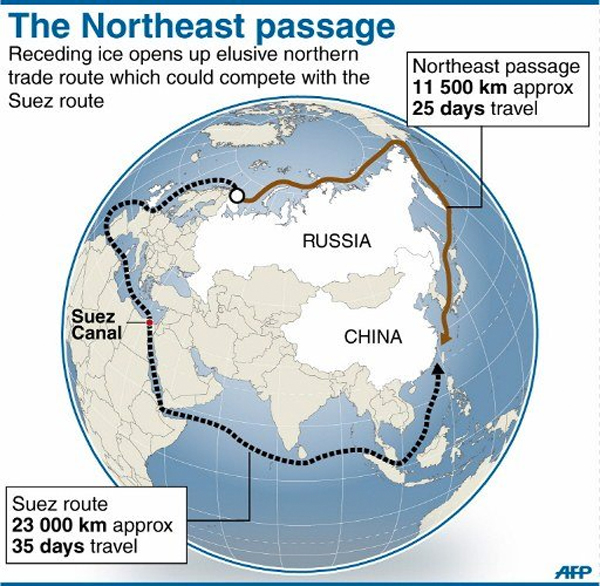 The diagram shows the savings to bring LNG from Siberia via the Northeast Passage rather than via the Suez canal.
Japan is the world’s largest importer of LNG and the second largest importer of other fossil fuels. Economics will make Russia their primary source of energy. Now, this is geopolitics.
What is of special concern is the close economic ties developing between Russia and China. Their geopolitical partnership is a threat to the US and their allies. The new Northeast Passage is going to be an economical miracle for China shipping goods to Europe.
So, what can we conclude? That climate change offers a global mix of tragedy and miracles. But the real issue is the geopolitics.
02-07 Russia and Geopolitics
(blank) » John Bulloch » 20 Quirky Climate » 02 North and South »
An explosion in agriculture. Natural gas from Siberia via the Northeast Passage. Climate change ensures Russia’s superpower status.