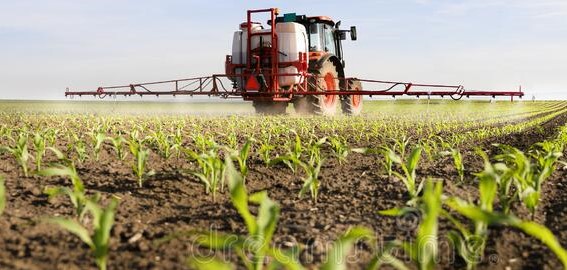
 I had an American friend from Tennessee in the 1980s who was a small business leader and a “hobby farmer”. And in spraying his corn crop with a herbicide without a proper mask, he got some of the spray in his lungs. He died of cancer.
The issue of plant pathogens is complex. For every crop, whether wheat, potatoes, corn, soybeans or whatever, there are plant pathogens that threaten their health and survival. Something like a hundred pathogens can harm any particular plant.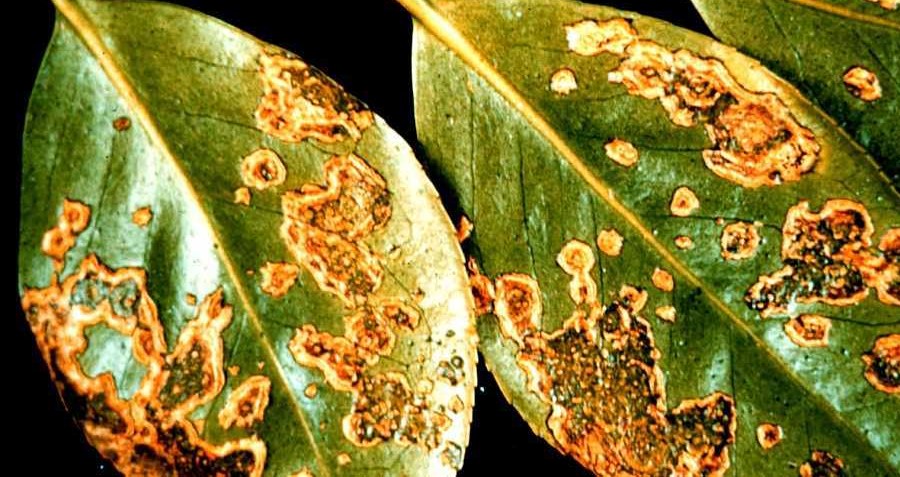 These nasties can be fungi, bacteria, viruses and a lot of other things I have never heard of. If you know what you are doing, evidence of some form of plant disease is usually visible.
During my years as cottager on Lake Simcoe, Ontario, we always enjoyed the best of fresh corn. We were in an area with excellent soil and weather conditions for corn. And I got to know the farmers personally.
Despite the good conditions, these farmers still sprayed for things they called “gray leaf spot” or “corn leaf blight”. The department of agriculture had advisers who advised them on what to use and when.
What is also important about the hundreds of different plant pathogens, is that they are all impacted by weather. So climate change will impact various crops depending on its impact on the pathogens.
There are only a limited number of pathogens that spread from plants to humans. What happens instead is the ability of plant pathogens to spread from plant to plant via the soil, water and air.
If there is any public controversy about plant pathogens it is the increased use of herbicides. It seems some pathogens are becoming resistant to these chemicals.
It explains the explosion in various forms of urban farming called hydroponics where water and nutrients replace soil, and LED lighting replaces sunlight. We also have aquaponics which combines vegetable and fish farming. How about greenhouses on rooves of buildings? Then there is vertical farming in old shipping containers.
The big issue is growing vegetables close to the market and without the need for pesticides or herbicides.
01-06 Plant Pathogens
(blank) » John Bulloch » 12 Israel » 01 Understanding »
Along with every plant specie there are a hundred possible plant pathogens that can provide a threat. And for commercial agriculture the game is spraying with herbicides for plant pathogens and pesticides for nasty bugs. It is no wonder there is an explosion of urban farming that provides vegetables that have not been sprayed.