Over the years I have understood basic development as a product of the self-discipline and organization skills of people. Of course education and culture are factors. Some societies just seem to be able to get their act together.
And it seems as nations face new challenges from a warming climate and water issues, that how they adapt is also a product of skills and abilities. Some nations can see how climate change will impact their future and get going. Others just can’t make anything serious happen.
Nations that have become world leaders in water management like the Netherlands and Israel can sell their expertise. But poor nations like Cambodia can’t afford to buy this know-how.
The developing world will have to produce its own engineers to deal with a future of climate change. How about a Cambodian branch of my old engineering school at the University of Toronto?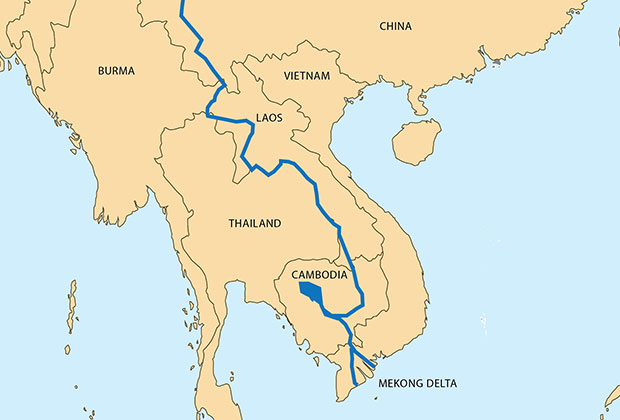 The map of the Indo China peninsula shows how the Mekong River is such an obvious source of fresh water for drinking and agriculture.
The map also shows how a stressed and shrinking Mekong River once it reaches Cambodia does not supply the needed water. Water flows have been impacted by dams and massive sand mining in its river beds. And droughts and climate change.
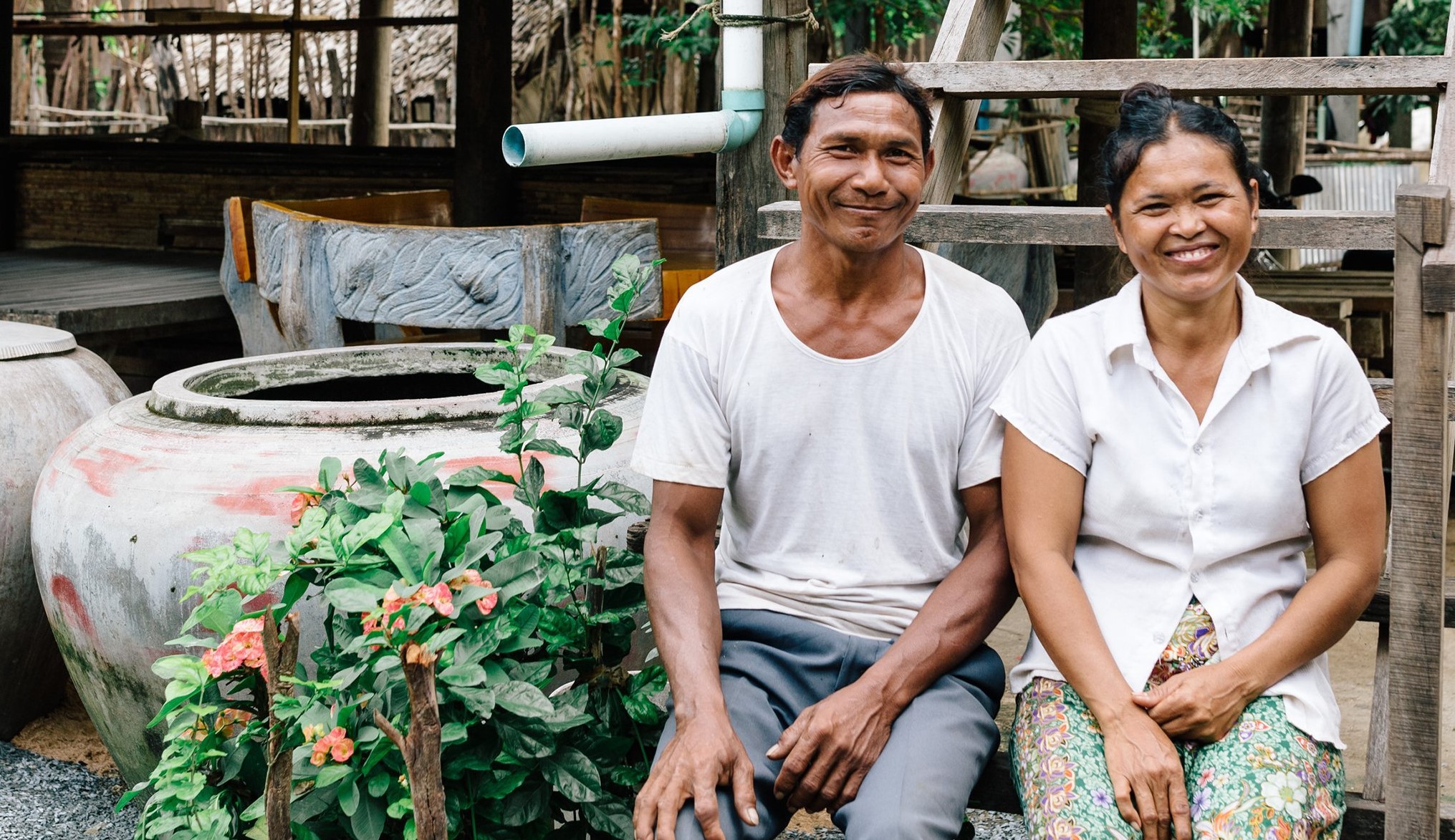 Typically, homes without wells rely on rainwater. And the photo shows a typical well organized home in an urban community.
What makes Cambodia a bit different from its neighbours is that it is mostly a rural agricultural society. More subsistent living, more poverty and more water shortages.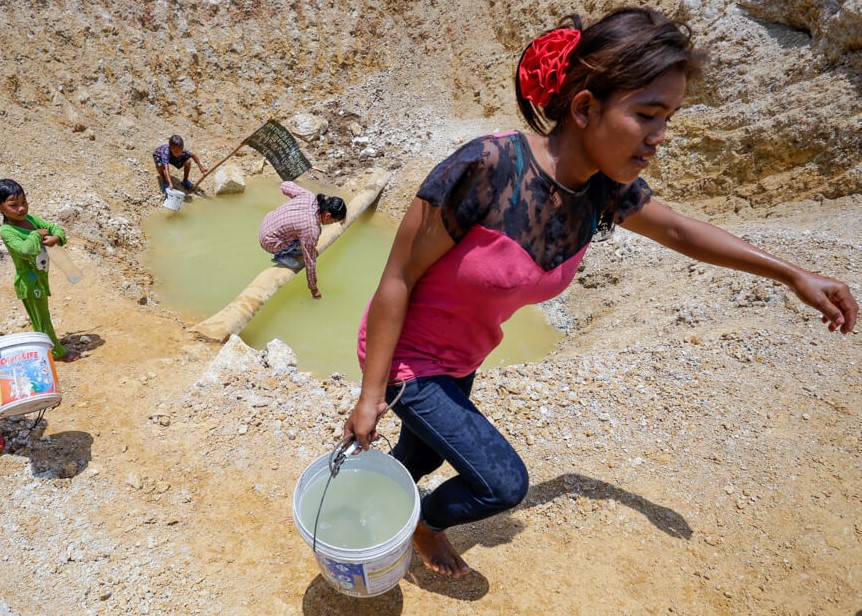 A large portion of its population scrambles for water. Not enough aquifers and not enough wells. Water that is contaminated and water that has to be boiled.
And assume these people live in areas without proper sanitation. Something like only 11% of the population live in homes connected to sewage facilities.
The future is not good. Nations like Cambodia are dealing with a crisis of water scarcity, water treatment and poor sanitation.