During the 1980’s I received several private briefings from the Canadian Government Department of Manpower and Immigration. It was an eye-opener. Mortality, birth-rates, migration all broken out in massive detail. And what I learned about Canadian population issues applies to population issues everywhere. The first lesson was understanding how modern medicine is enabling people to live longer. What is called the aging population applies to all the developed societies. How about all those centurions in Japan? I am now 87 years old, and know how many of my friends are outliving their parents because of advances in science and medicine.
But we can assume these medicines do not reach older people in many of the undeveloped nations. This is what makes population issues so quirky. There are surprising difference in statistics everywhere on issues like mortality, birth rates, immigration and emigration.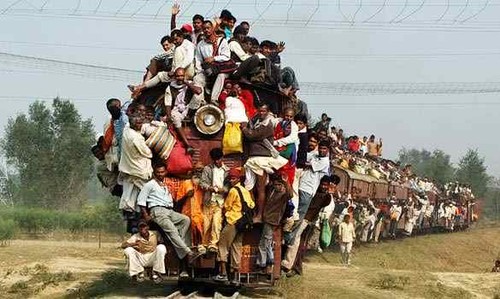 Love the photo of Indians riding a train. India has about 18% of the world’s 7.8 billion people and China about 23%. Then there are the fast growing populations of nations like Indonesia and Nigeria.
I will never forget a discussion of population issues with government officials in Indonesia. People living on thousands of islands and speaking hundreds of different dialects made it almost impossible to obtain good numbers on either mortality or death rates. To explain how to use birth control devices, they would show people how to put a condom on a wooden puppet.
When the Canadian officials came to the issue of birth rates, they explained that when women are more affluent and financially secure, they tend to have fewer children. I had already heard this argument from officials in Singapore who need to bring in Chinese from Taipei and mainland Chinese because their population is shrinking. They had to speak Mandarin.
Apparently if women on average have less than 2.1 children populations shrink. All the developed nations face this challenge.
Again, with a large geography, Canada has population growth and decline numbers that vary tremendously. This impacts a whole range of things like education facilities, economic growth and transfer payments.
The big lesson from my briefings is how lucky we are in Canada. We are a prized destination for immigrants. Young workers who will protect our tax base which is so necessary to fund our pensions and health care programs.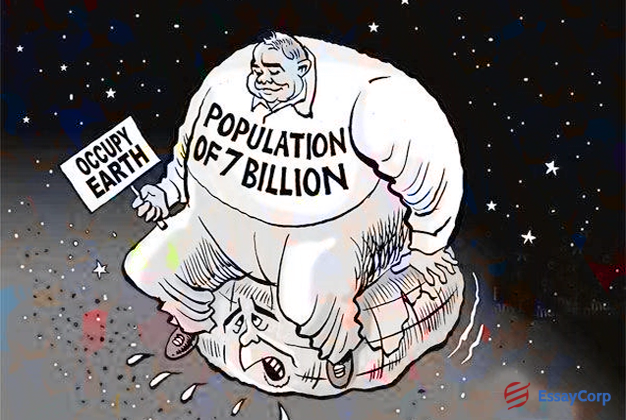 Trying to think into the future and project population growth is seriously techy. The concern is how our present population puts stresses on the globe. Things like climate change, agriculture, water, economic policy and politics. And yes “war and peace”.
01-01 The Issues
(blank) » John Bulloch » 26 Quirky Population » 01 Big Stuff »