My grandmother was born in Iasi, the capital of Moldova (formerly Moldavia when it was part of Romania). My wife and I had a one-day visit there as part of a three- week tour of the old Soviet Union in 1987. I remember the wine and the women looking like my grandmother.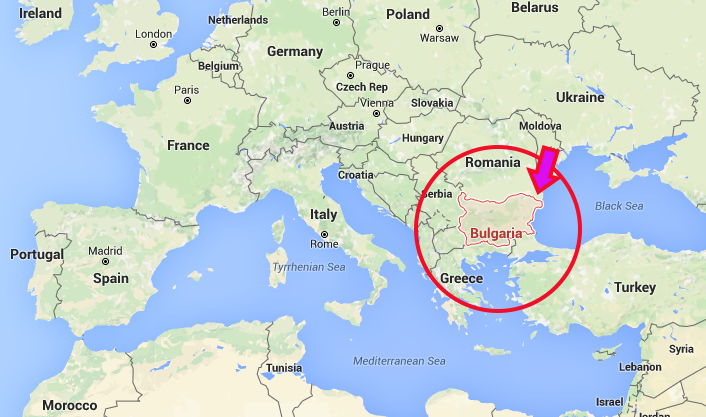 The map shows just how difficult it is to visit places like Moldova, Romania and Bulgaria. They are not on the visitation sites of any of the cruises to the Mediterranean or the river cruises through Europe.
The tough news is that all of the nations of Eastern Europe are facing population decline, and the nation with the worst numbers in the world is Bulgaria. It had a population of 9 million in 1989, 7 million in 2020, 5.5 million projected for 2050 and 3.5 million by the end of the century.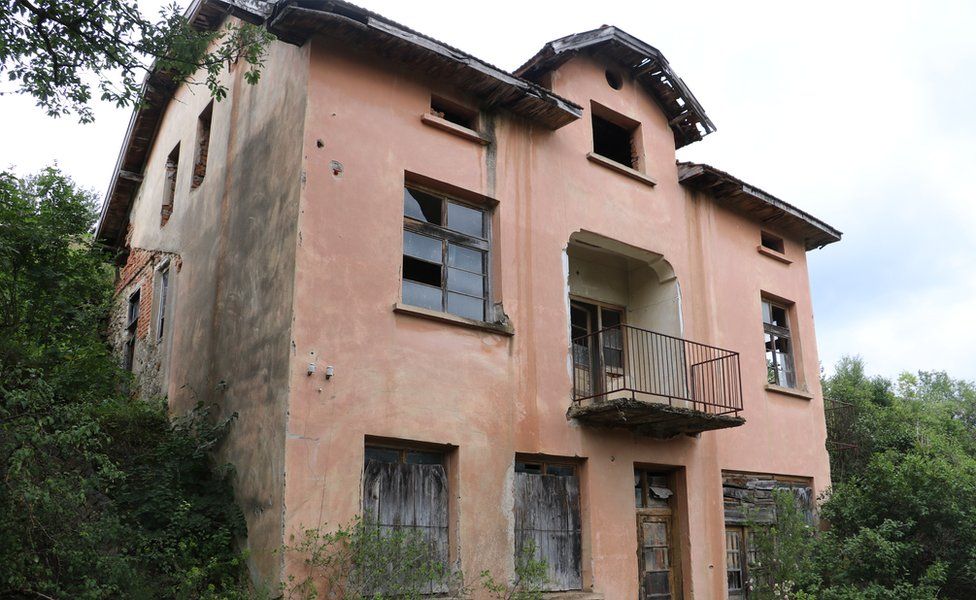 The depressing empty building is a typical rural sight in Bulgaria. It represents a lack of jobs, young people moving to the larger cities or to other nations of the European Union.
Bulgaria has everything going against it. Low fertility, high mortality and significant out-migration.
I remember clearly on so many cruises meeting young people from these Eastern European nations that were able to get jobs on the cruise ships because they spoke English. Not well paying jobs but good money in their own currency.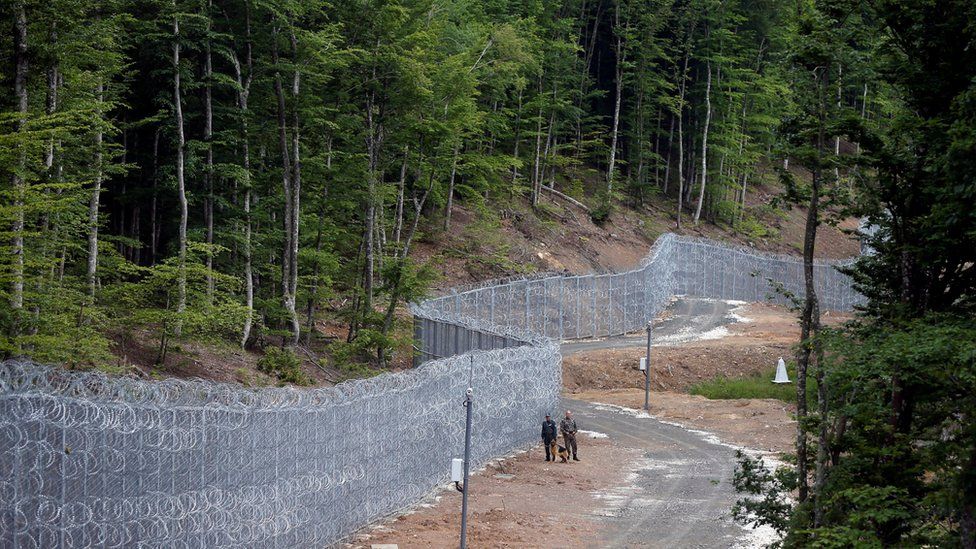 When you look at Bulgaria and its neighbours they speak unrelated languages. And, although they trade together, there is very little population integration. In fact, from the photo of the fence between Bulgaria and Turkey, they simple discourage immigration.
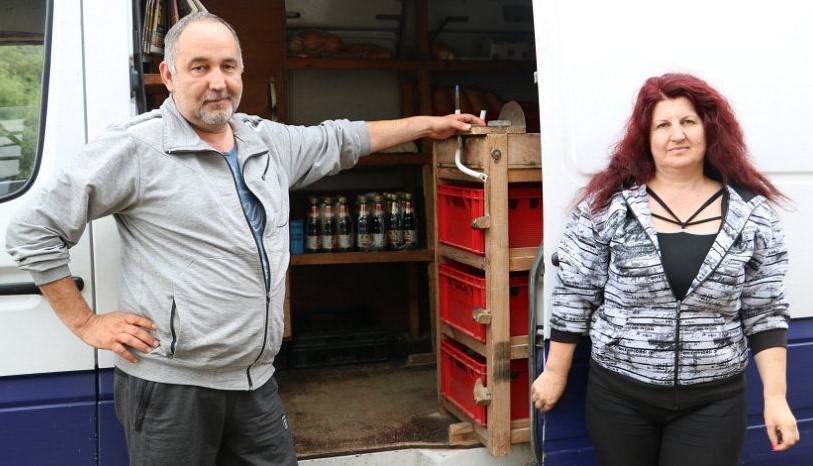 One of the lessons linked to under population when it reaches extreme levels is that any kind of shop becomes unviable in the rural countryside. In Bulgaria, the small villages are just dying. And three times a week, a mobile shop with food basics travels through. A sole link to the outside for the old folks still living there.
It is hard to see any kind of future for these Eastern European nations. How can industrial companies even attract young, educated workers. There is a significant hydraulic industry in Sophia, the capital city, and I saw a booth demonstrating their products at a trade show in Berlin. And they have a nuclear industry. But they seem to lack a real energized small business community. Something discouraged when they were under Communist control.
In terms of the future, they hope to discover natural gas off their shores in the Black Sea. Something for those oil and gas guys in Houston.
03-04 Bulgaria
(blank) » John Bulloch » 26 Quirky Population » 03 Under Population »
It seems all the nations of Eastern Europe are facing major population declines. The most serious being Bulgaria. And even today this means a collapse of the countryside with empty building and the closing of the shops. A mobile grocery service calls three times a week.