It would be no surprise to anyone that farmland is an obvious place to put a solar panel facility. And this, of course, represents a new source of farm income.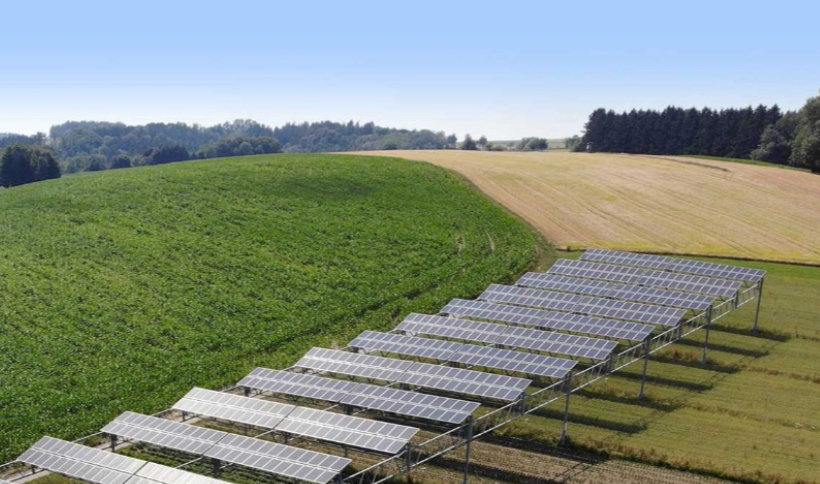 The photo shows a relatively large prosperous farm that has several acres of solar panels providing energy for the farm and feeding surplus energy into the grid.
The excitement associated with combining solar with farming is the changing economics of farming. We can now anticipate smaller viable farms and farm equipment powered by batteries rather than gasoline. 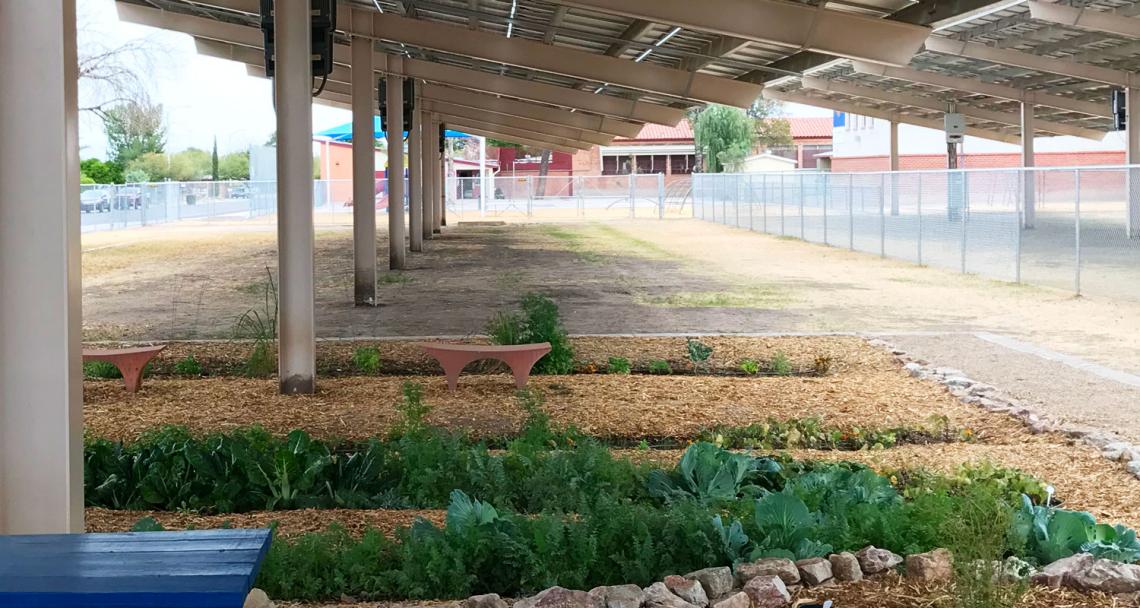 But the real story is what is called “agrivoltaics” or the combination of traditional vegetable farming with solar panels. In the photo we can see solar panels providing shade for vegetables.
What is so exciting is research that shows a wider variety of vegetables that flourish under the shade of solar panels. And, as well, the solar panels become more productive because the plants give off moisture that helps keep them cool.
My research would suggest that most of these solar investments provide a ten-year payback. But with the cost of solar coming down each year because of the advances in solar technology, we are going to witness an explosion in agrivoltaic farming.
I just love the word ”agrivoltaic”. Just saying it makes me feel so intelligent.
My folks grew tomatoes and peppers in their garden. Not a big deal. But growing them in semi-arid places like Nevada and Arizona just would not work without agrivoltaics.
What is even more interesting is that farmers combining solar with growing vegetables report great success in raising bees, which are so crucial for pollinating vegetables. Those bees like shade too.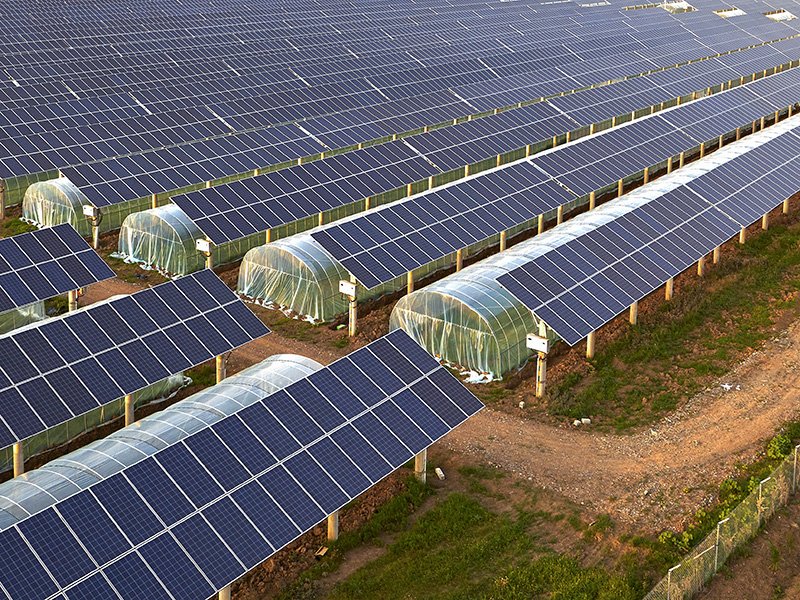 And, an even more exciting development. Combining solar with greenhouses. This is a big deal because controlling the heat and humidity 24 hours a day in a greenhouse is tricky and expensive.
It was always a surprise to me visiting my aunt in Phoenix. So hot during the day and so cool at night. So solar with greenhouses provides a source of heat at night (with batteries of course) and equally, provides cooling shade during the day.
So, when you combine the technologies of desalination and agrivoltaics, you have a future even living in a hot semi-arid part of the world. Life is about water and food. And, these arid and semi-arid areas make up 20% of the world.
It provides some solutions to a warming climate. Our future is not all “doom and gloom”.
03-04 Agrivoltaics
(blank) » John Bulloch » 20 Quirky Climate » 03 Technology »
Growing veggies under solar panels is quirky. Veggies and bees love the shade.