 It is wartime and I have organized a group of seven and eight-year-olds to collect small bits of scrap iron. The source of my power was my father having the letter “a” on his license plate and having access to unlimited amounts of rationed gasoline because he was working for the war effort.
He drove our collections to a special scrap yard. None of my friends had fathers that could get the necessary gas to drive their cars.
And part of the fun of being part of a gang was smoking in our secret hide-out. I arranged for someone to pick up cigarette butts on the curbs of our streets, someone to buy cigarette paper, and someone to find matches. And I rolled the cigarettes as the big boss.
Then one day my friend Doug Jones started talking about a gift he had received from Santa Claus and I suggested that believing in Santa Claus be made a condition of being part of the gang. All but one seven-year-old thought this was a good idea. He said that his dad told him that he was Santa Claus and started crying,
So, I suggested he could still be part of the gang but would not be allowed to smoke our cigarettes. Everyone agreed with this compromise.
What we have here is politics at work. Determining how we organize ourselves to deal with conflicts, share resources and find solutions to problems.
Now it is years later and I am at university studying engineering but taking some basic courses in English and the Social Sciences. That meant that a basic text book on politics was my only introduction into a world that I was thrust into in 1970 when I organized opposition to the federal government’s White Paper on Tax Reform.
My first surprise was learning that only four key people decided on the content of federal budgets, and that when it came to technical changes none of the four really understood what had been given to them by the specialists in the Department of Finance.
It was my opinion at the time that there was a Liberal government conspiracy to destroy private capital because they were planning to introduce a third tax on death. But I later found out that this issue was not even understood by the Prime Minister or the Minister of Finance. They were only focused on the basic elements in the White Paper and not the big picture. The White Paper process was such a “screw-up”.
It became my view that Ottawa could not organize a two-car funeral. Conspiracies require competence, and I saw no evidence of wide-spread competence at the federal level when it came to complex public policy. Each department had its specialists, and there were some outstanding deputy ministers, but that was it.
And almost every public issue like trade, finance, taxation, competition policy, and so on, was highly technical. I began to appreciate the limitations of our political institutions.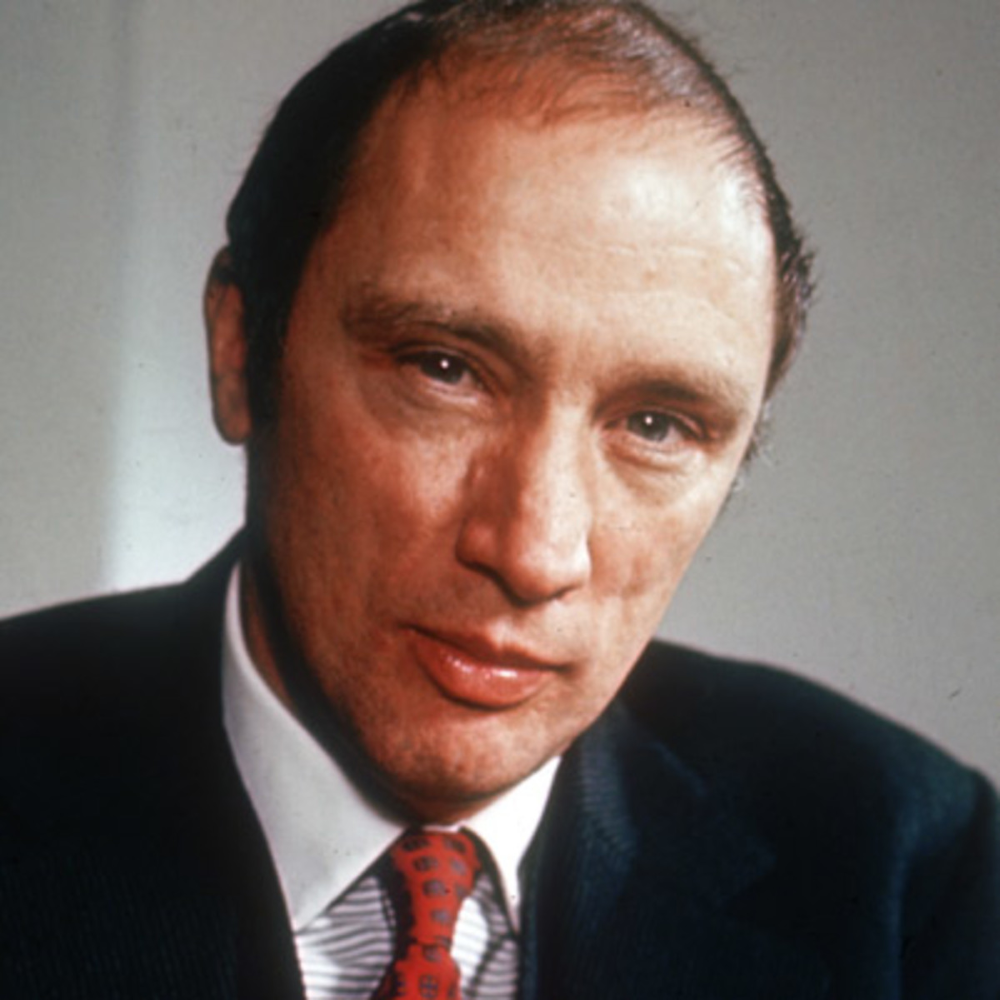 And about four years after the tax fight, I had a private luncheon with Prime Minister Trudeau, and I asked him if he knew that the effective tax paid by big business was not 50% but closer to 25%.
The big fight I led was opposing a plan to tax big business and small business at the same 50% rate which would mean taxing small firms at twice the effective rate as big firms.
He said he had no idea that all the incentives given to encourage capital investment had that kind of impact on the effective corporate tax rate.
The victory over the tax proposals of 1970 were finally translated into legislation in 1972 and I was given a special guest pass to the parliamentary gallery. This so-called debate was questions written by a tax specialist up in the gallery and sent down to the Conservative finance critic, and the answers provided by the Liberal Minister of State for Finance were written by another tax expert in the gallery.
When I created the Canadian Federation of Independent Business in 1971 it became our task to get the opposition parties to support or oppose legislation proposed by the government that had the support of our membership.
So much of what we call political debate is just the opposition opposing what is proposed for partisan reasons. But the reason for this is not about elected officials not doing their job, but instead being inundated with more complexity than any human being could possibly master.
In my case, I used to read about two hours a day just so I could follow a technical briefing by experts. And we had the experts that the average politician lacked.
Organizations like the Canadian Federation of Independent Business are called political advocacy groups and they really help make democratic societies work.
The secret is being non-partisan. It means that when governments change and different parties are in power, we are trusted and welcomed in the corridors of power.
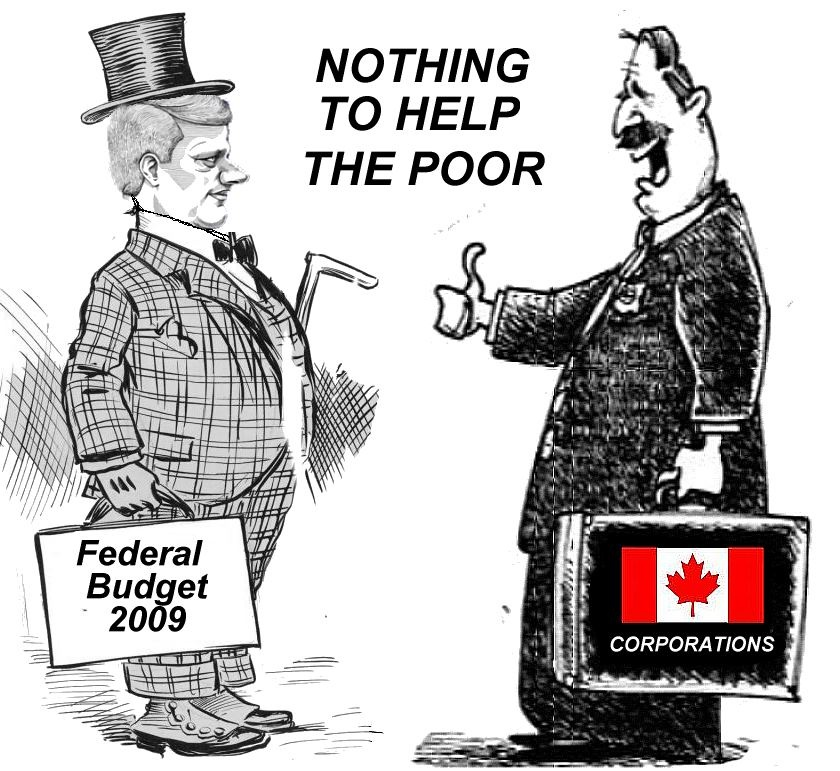
We later went through a complex series of tax changes when the Harper conservatives were in power. More fun and games. The attached cartoon is a demonstration of the politics of changing anything complex.
Actually, the Harper government was preoccupied with Canada having a tax system that is competitive with the changing global economy. The actual corporate tax rate paid by multinational corporations then and today is about 15% and not the 25% of the 1970s.
Over my 30 years of active involvement in the political life of the nation at both the federal and provincial level, I learned to respect those we elect to public office, regardless of their political affiliation. Some are good at policy, some are good at politics and others just want to serve their constituents.
And another thing I discovered is that governments in power are only about 10% different. I learned to ignore most of the political bluster that is just part of the theatre of politics.
The problem in politics is not who we elect but the policy comprehension of the voters. For example, about a third of Canadians do not even-know what comes under federal, provincial and municipal jurisdiction.
It is common, for example, for the constituency office of a federal MP to receive complaints about pot holes, or for the office of a provincial MP to receive inquiries about passports.
And according to a US study 25% of the public believe the sun revolves around the earth. So, do not expect that portion of the public to really understand the policy agenda of a political party.
Politics is perception and emotion because that is the only way to communicate with policy complexity and public ignorance.
That’s the way I see it anyways.
06-01 The Nature of the Beast
(blank) » John Bulloch » 25 Quirky Opinions » 06 Politics »
Complexity places limits on our political institutions. The world is run by bureaucrats.