During my teaching days at Ryerson during the 1960s, I was always encouraged when students started asking questions. It meant that a learning process was underway. And during my working years as an engineer, a manager, a teacher, an entrepreneur and a political activist I never stopped asking questions.
But in terms of my personal education, nothing hit me more than my first international conference on small scale development in Tokyo, 1975, where I learned that development is a function of culture, history and institutions. Much more complex than the way I was taught business at university.
So, I began an odyssey to understand what makes nations tick, and what we can learn from their different approaches to the big issues of our time. And over the next 50 years, I visited over 40 nations and met dozens of heads of state,
For example, I wanted to know how nations encourage economic growth and the ways different cultures stimulate learning.
I saw development in societies where people believe success is a blessing from the gods and not a product of your own effort. And I began to look at atheism and just how important religion is in modern cultures.
Then a look at genetics vs environment in influencing behaviour; and important questions about the debate over globalism vs nationalism which seems to be replacing the old left vs right divisions in society.
Questions about how effective politics can be at a time of increasing technological complexity and change. And how about the role women play in different societies.
And finally, some serious questions about the global debate over climate change. Could other things be at work besides man-made CO2 that is warming the atmosphere.
And what about war and peace. Technology is also redefining the ways we struggle with adversaries.
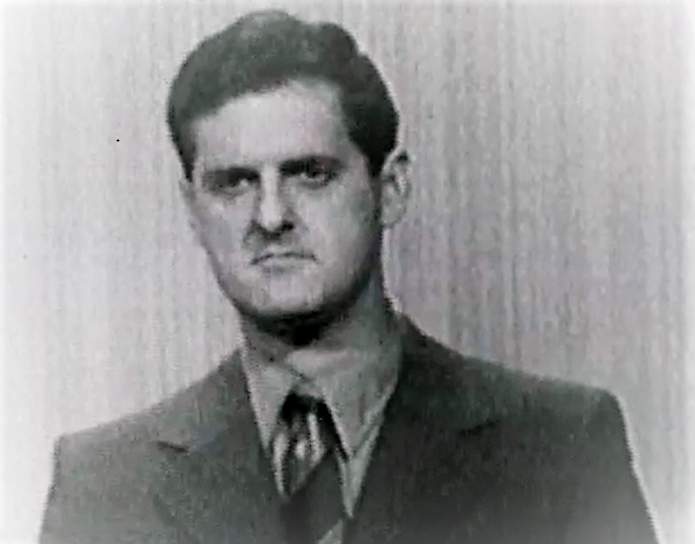
The photo is taken from a television appearance on the popular TV show, Front Page Challenge back in 1971. I was challenging the federal government’s White Paper on Tax Reform, which through a combination of three forms of death taxes was planning to confiscate private savings. I called the White Paper a social document.
What I discovered over time was that the Prime Minister, Pierre Trudeau, did not really have a clue about most of the provisions. Rather, from his perspective, tax reform was about raising about $6 billion to fund his “Just Society” program of increased social spending.
Everything about the tax reform agenda was not what it appeared to be on the surface. Twenty percent of the provisions were things the public could understand. But the rest was driven by the bureaucracy and a group of senior tax techies in the private sector. But the big issue was tax increases disguised as tax reform.
It can thus be easily understood why I started asking questions about everything and soon discovered that everything was complex and only a small part of what governments do is for public consumption. It seemed everything about politics was some form of conspiracy theory.
Politics I soon learned was about emotion and perception, not reality. So if you do not question everything, the political elites and power brokers would soon roll over you using all the political tricks in their grab bag to exercise their will.
Hopefully this series will have lots of us asking questions, so that more of us can make a difference in our lives.
That’s the way I see it anyways.
00-01 Asking Questions
(blank) » John Bulloch » 25 Quirky Opinions » 00 About Quirky Opinions »