It was at a conference at Sea Island, Georgia that I was drawn into the world of foundations. This gathering drew together the directors of development centres and their sponsors. And the sponsors, for the most part, where wealthy individuals that operated via their foundations.
I was there on behalf of the Canadian Centre for Entrepreneurial Studies, located at the Ryerson University in Toronto, which was devoted to the teaching of entrepreneurship and new venture formation. What I lacked, at the time, was secure long-term funding that was provided to US development centres from their foundation sponsors.
The importance of the conference was networking. If for example, outstanding work was being done at a development centre at the University of Ohio, funding contacts made at the conference would be accessed.
There are over 80,000 of these private foundations in the US alone, and they are mostly dedicated to either education or health. And they are all structured to provide some form of tax relief for the donors.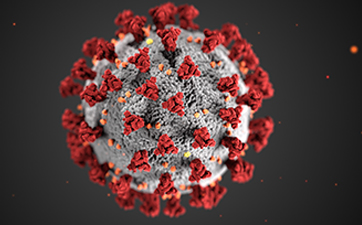 Today the public health issue is the Coronavirus and the disease it causes called COVID-19. I can envisage ten of thousands of foundations around the world directing funds into promising research on medicines and vaccines. The networks will be alive and active.
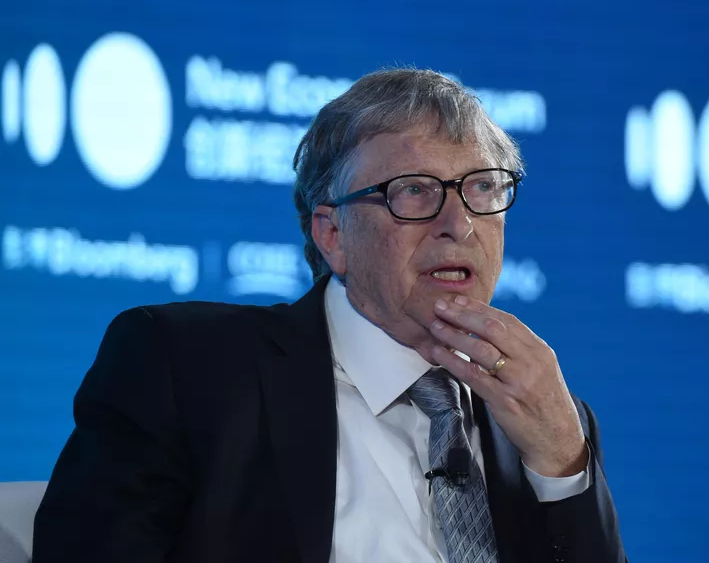 The lead foundation globally is the Bill and Melinda Gates Foundation which is directing over $300 million US into Coronavirus research. And additional monster funding into the Gates Foundation and their various projects is coming from wealthy investors like Warren Buffett, and hundreds of smaller donors. It’s the old story. Good money follows good money.
The significance of such a well-funded foundation is that it brings credibility, networks and expertise. It was in 2015 that Bill Gates warned the world that the threat to mankind was not nuclear war but a global pandemic caused by a new virus.
Bill Gates is now political. Big time.
The Gates Foundation and Bill Gates make an interesting study in the differences between private and public funding, especially when it comes to projects in the underdeveloped nations of the world.
What I discovered over the years working on issues of international development is just how slow and bureaucratic governments are. Governments want to link support for health and education with investment and trade. And a decision that will take years for governments to make, a private foundation will make in months.
It is one thing to criticize the Gates Foundation, as a powerful non-elected philanthropic body impacting public health research around the world. But isn’t that just as noble as governments helping less developed nations become export markets.
01-04 The Gates Foundation
(blank) » John Bulloch » 22 Quirky Politics » 01 Crisis Politics »
There are 80,000 foundations in the US funding health and education. The Gates Foundation is providing $300 million for COVID-19 research.