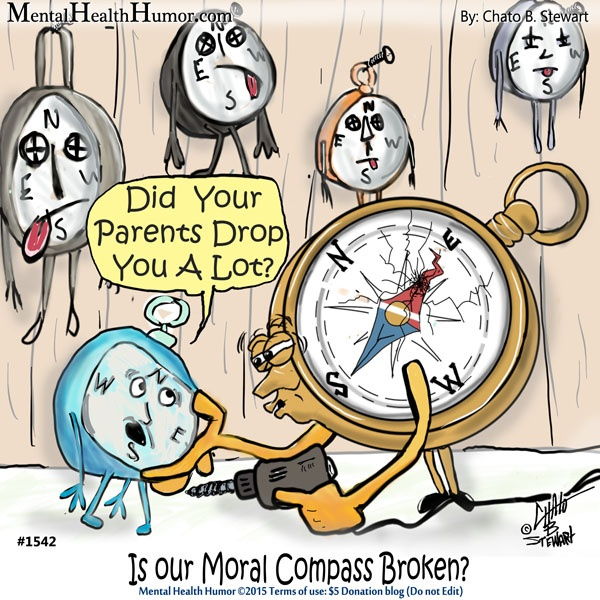
 It was 1944 and I am eleven years old. Mother and father were driving aimlessly around Forest Hill Village with me in the back seat. It was serious talk time and they wanted me to hear what was discussed.
Mother had been going each week to the United Church on Bathurst Street and had me enrolled in Sunday school. She thought dad should come to church with her.
She said she believed attending Church as a family would help the children develop a sense of morality, a moral compass, a conscience. Serious stuff. It was about knowing the difference between right and wrong.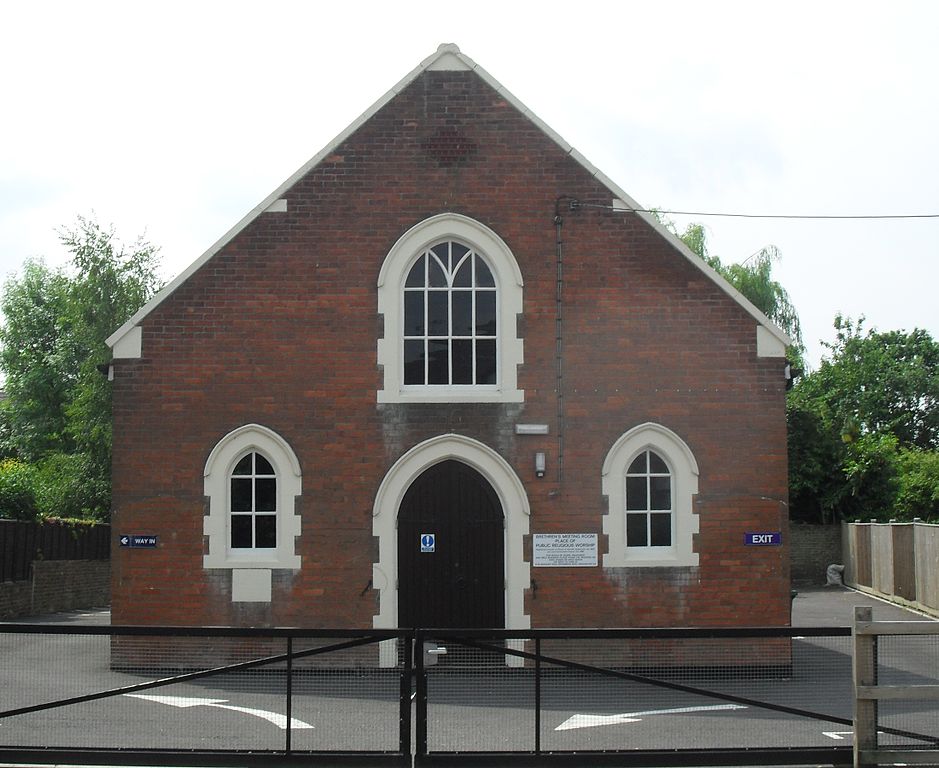 The chat went on for about half an hour. Dad suggested a compromise and agreed to come back into Plymouth Brethren, which is something he understood because he was raised as part of this fundamentalist sect in Ireland. Mother agreed.
And it was only a year later at age twelve that I came with my father to attend the funeral of his foreman, who had died of cancer. I saw my father cry for the first time, and I started to cry as well. I remember one of the tailors putting his arm around me.
No religious training had any real impact on my life. But this funeral made me believe and appreciate that how we treat and care about others is really about our morality.
This does not mean I forget the ten commandments, which I had to memorize in school. But it seemed that what I learned watching and listening to my parents really established my sense of right and wrong.
Mother would say things like, “It’s just not right.” Or she would say, “It’s the right thing to do.”
We sold our first cottage in 1946, because there was a neighbour who loved to walk around with a rifle over his shoulder and shoot things like squirrels and rabbits.
I remember mother being so angry with someone who would use a rifle with three children next door. “It’s just not right.”
Apparently, he was raised on a farm and lived with a rifle. This made me also realize that the sense of what is right and wrong is not universal. It varies in cultures and it varies in families.
And the cartoon also makes the point that there are lots of families out there that have lost their moral compass. Lost something in the sense that they really know what is right and what is wrong.
Here is another interesting story from 1954 when I was a second-year engineering student. A group of classmates wanted to organize a party with a live stripper and all the beer you could drink.
I turned down the invitation and gave no thought about it until someone passed along a photo of the class party. There were about thirty there of a total group size of about forty. And to my surprise the five classmates who were my closest friends had also declined.
And that experience influenced me throughout my life. That a moral person will associate with moral people. And what they do together will have a moral underpinning.
That’s the way I see it anyways.
10-01 Moral Compass
(blank) » John Bulloch » 25 Quirky Opinions » 10 Moral Issues »
Listening to my parents discuss issues gave me a sense of right and wrong.