For students of small business, births and deaths are something to watch. It means jobs created and jobs lost. Money borrowed and money to repay. Family excitement and family sorrow. I have started six ventures in my lifetime and understand all the emotions. 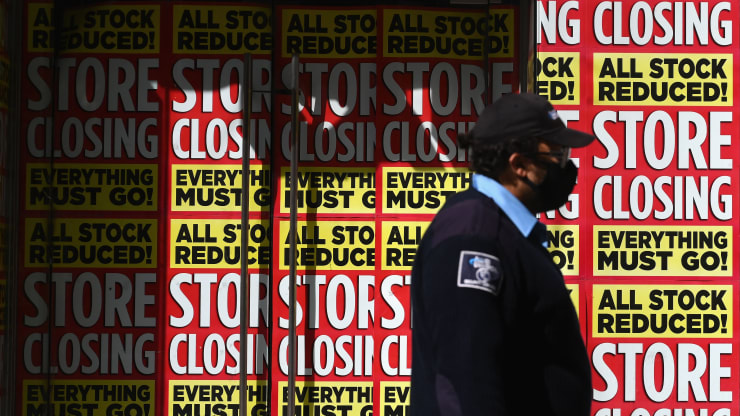 Now we are living during a global pandemic, and the widespread fear is an oncoming wave of business closures.
In normal times, high levels of births and deaths are a sign of a strong entrepreneurial culture. To give an example. That Ontario manufacturer that lost his customer base because of free trade, either goes after new customers, or closes up and starts something else. How about a Dairy Queen franchise?
But what is so particular about the pandemic, is that hard times are not part of any cyclical pattern. And failure is not the result of inexperience or tough competition. We have a general shut down, so the nature of closures and bankruptcies are going to be different.
It would be my best guess that business births will replace closures over time, if governments are as focussed on small business financing after the pandemic as during the pandemic. Getting back to bankruptcy, and the different bankruptcy laws in Canada and the United States. I was part of the upgrading of the Canadian Bankruptcy and Insolvency Act in the 1990s. It is all techy stuff. So my advice is to seek the advice of a bankruptcy lawyer if you see your business without any possible future.
Most small firms that do not see themselves as viable go through a careful process of closure. And try to avoid bankruptcy by making some kind of formal arrangement to pay off their debts.
I thought I was going to close the Canadian Federation of Independent Business in 1972. I just couldn’t seem to make it work. And the person that had guaranteed my lease and line of credit was my father. But I persevered, and today it employs over 400 people.
There have been massive efforts by governments all around the world to provide emergency cash to help small firms avoid closure with all that means for jobs and communities. But it will not save firms already vulnerable because of high levels of debt.
Retailing is a special worry because of the explosion of e-commerce. So the crash in retail sales because of the pandemic will hit a sector that is already vulnerable.
Big retailers in the US are closing their doors and taking advantage of what is called a Chapter 11 Bankruptcy. This is an expensive provision more suited to large firms that enables them to restructure. Their CEO usually gets dumped.
Closure is a different story for small firms. It means that the husband and wife team that operated the music store will just wait until the dust settles to start again. And, by the way, you can still buy one of their famous guitars if you call them at home.
03-03 Bankruptcies
(blank) » John Bulloch » 24 Quirky Economics » 03 Corporations »
The pandemic is a bankruptcy story. Large firms can use bankruptcy to restructure. Small firms will close to avoid bankruptcy.