The world needs to combine enterprise and welfare solution to reduce poverty. Planting trees works.
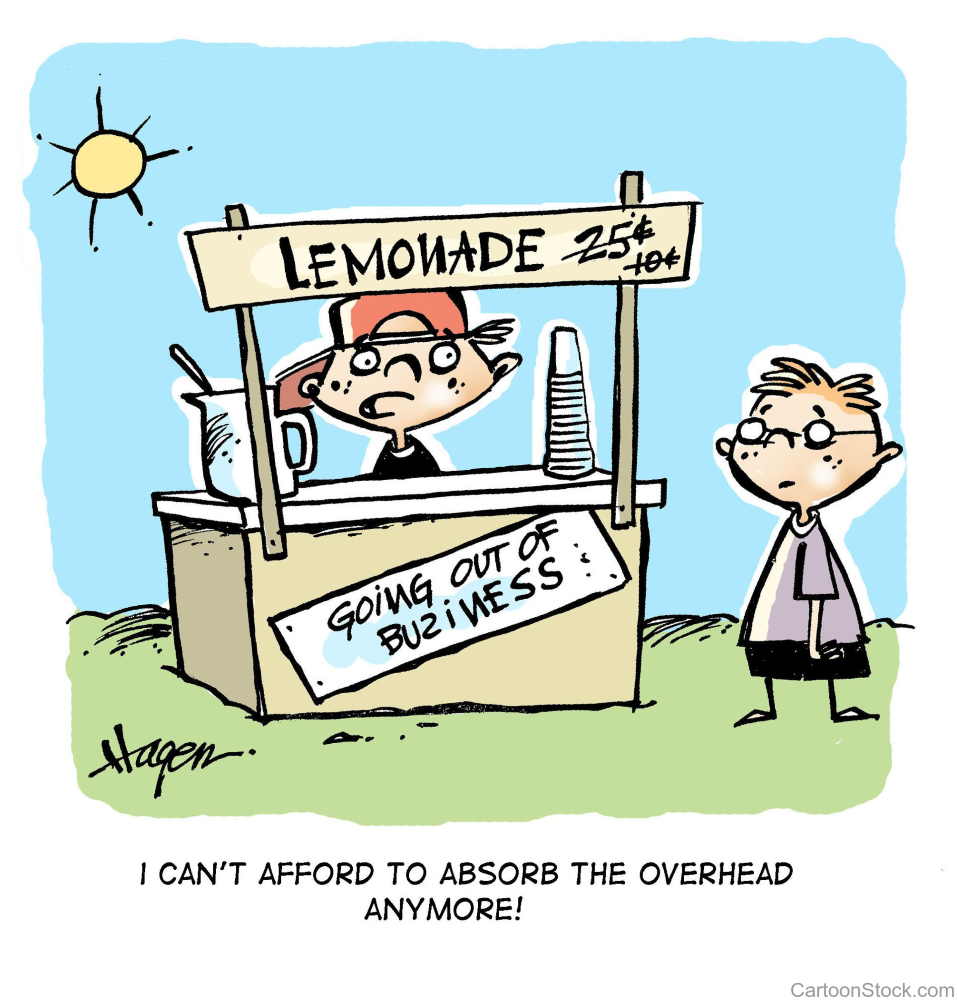 When I was eight years of age I sold lemonade in front of our house. It was an attempt at enterprise. And I thought I was poor with an allowance each week of only ten cents. But mother made the lemonade and kept bringing me ice cubes in a bowl which I put in the customer’s glass if I made a sale. Mother, of course, gave me glasses from our kitchen. But I washed the glasses. It was a partnership.
 Most of the sales made were to kids my age who ran home to get a nickel. I made a whole dollar that day. It was all so exciting. An entrepreneur in the making.
Love the cartoon. But in a way when you look at attempts to use enterprise to reduce poverty it is a good analogy. Enterprise in poor regions of the world are seldom linked to complex technologies.
In less developed nations, forms of enterprise are being encouraged as a solution for reducing poverty. Often it is about making subsistence farmers viable by giving them loans for planting or some form of crop insurance. Or whatever.
I will never forget my trip to Fiji in the early 1980s and having them explain how their enterprise solution to eliminating poverty was a national effort to plant trees.
And the trees brought their economy back to life with so many new forms of wild life and food sources. And, of course, hard wood like mahogany for export. Yes, and a huge jump inIt was in Stockholm in 2001 that I had coffee with a representative from what she called the Shell Foundation. Their goal was again to reduce poverty by creating opportunity. They made grants to all kinds of local agencies that worked with poor populations. They also lent management expertise.
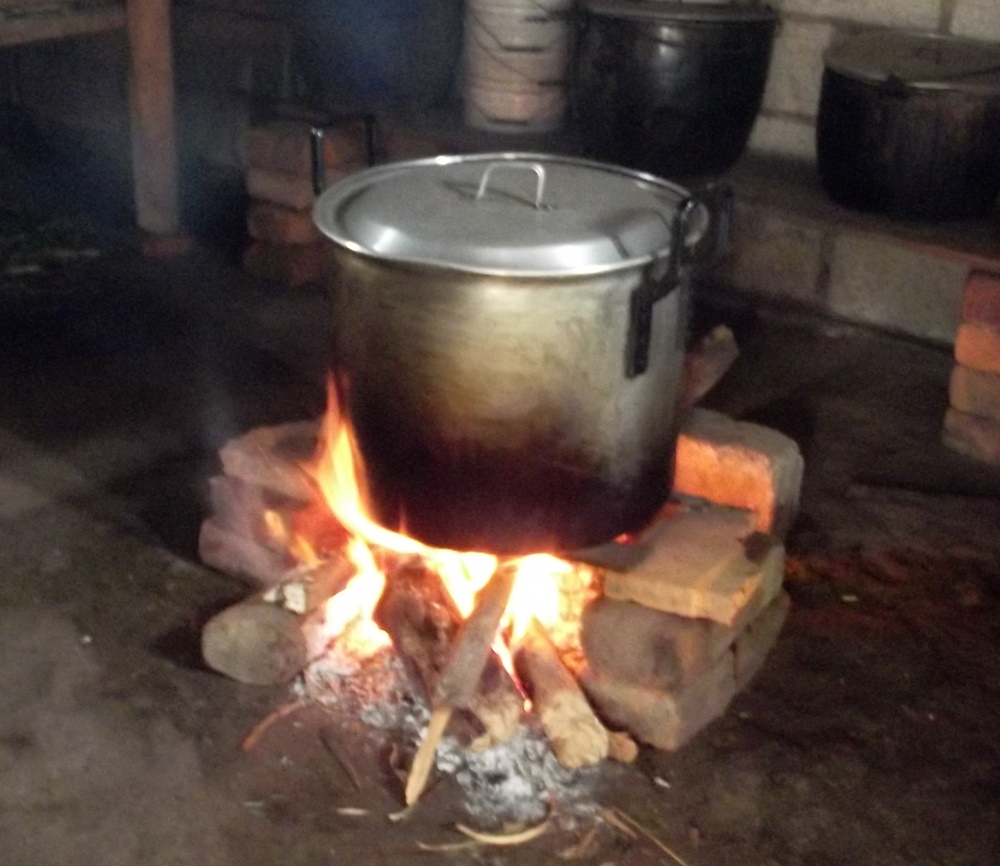 What blew my mind was discovering one of their main goals was to focus on new ways for the poor to cook their food because about a million and a half women and children die each year from inhaling smoke from inside fires.
Shell was funding enterprises that could produce and sell simple stoves using a safe form of fuel. They said they were planning to make this a global initiative.
When I use the term enterprise or entrepreneurship, I refer to people making things happen. And if I use the term entrepreneurship and new venture formation then I am referring to the creation of some viable form of enterprise. And it can be a not-for-profit or for-profit venture.
I have heard so many national leaders at these international congresses talk about poverty as a security threat, as a national health threat and a monster economic burden. And they all wanted both enterprise and welfare solutions. Nothing ideological here. It was interesting that they never thought one was viable without the other.
And I have heard speakers suggest that the “west” should buy goods from nations where the poor are paid a living wage. Today they call it the “Fair Trade Movement”. Not sure that will work.
I have no difficulty paying an extra $5 a week for local organic food, but do not really trust claims about things grown or made internationally. All buyers around the world look for when making purchases is quality and price, regardless.
Back to the enterprise/poverty theme. An interesting discussion at one of these Congresses was about how you could call the range of support needed to get enterprises functional in poor regions of a country a free enterprise solution to poverty.
I was amused at this kind of debate because I remembered my father guaranteeing a line of credit and my lease when I started the Canadian Federation of Independent Business. And I had a Masters Degree in Business Administration.
So, if it is hard to get an enterprise off the ground functioning as a lone wolf in an affluent nation, think how hard it is in a society where people lack basic education, basic business know-how and the infrastructure to reach markets?
If you follow politics, and listen to commentary about the rich hiding their money in off-shore foundations, family trusts or numbered companies, you would think the world was being cheated in some ways.
These things are usually about estate planning and ensuring your wealth is not confiscated by a change of government or a change in tax policy.
Our family created a trust in the early 1970s to hold the shares of the family business because the government was planning a third form of death tax that would prevent the business from staying in the family beyond the death of our father.
My experience dealing with affluent business people is quite different from all the political rantings. If you know what you are doing in a poor country, whether it is about building a school, a hospital or supporting local enterprise, the partners you want are those that are wealthy and brings know-how with their money.
The wealthy are just as philanthropic as any other group in society. And they are always forward thinking. That is usually how they made their fortunes.
That’s the way I see it anyways.
What blew my mind was discovering one of their main goals was to focus on new ways for the poor to cook their food because about a million and a half women and children die each year from inhaling smoke from inside fires.Shell was funding enterprises that could produce and sell simple stoves using a safe form of fuel. They said they were planning to make this a global initiative.
When I use the term enterprise or entrepreneurship, I refer to people making things happen. And if I use the term entrepreneurship and new venture formation then I am referring to the creation of some viable form of enterprise. And it can be a not-for-profit or for-profit venture.
I have heard so many national leaders at these international congresses talk about poverty as a security threat, as a national health threat and a monster economic burden. And they all wanted both enterprise and welfare solutions. Nothing ideological here. It was interesting that they never thought one was viable without the other.
And I have heard speakers suggest that the “west” should buy goods from nations where the poor are paid a living wage. Today they call it the “Fair Trade Movement”. Not sure that will work.
I have no difficulty paying an extra $5 a week for local organic food, but do not really trust claims about things grown or made internationally. All buyers around the world look for when making purchases is quality and price, regardless.
Back to the enterprise/poverty theme. An interesting discussion at one of these Congresses was about how you could call the range of support needed to get enterprises functional in poor regions of a country a free enterprise solution to poverty.
I was amused at this kind of debate because I remembered my father guaranteeing a line of credit and my lease when I started the Canadian Federation of Independent Business. And I had a Masters Degree in Business Administration.
So, if it is hard to get an enterprise off the ground functioning as a lone wolf in an affluent nation, think how hard it is in a society where people lack basic education, basic business know-how and the infrastructure to reach markets?
If you follow politics, and listen to commentary about the rich hiding their money in off-shore foundations, family trusts or numbered companies, you would think the world was being cheated in some ways.
These things are usually about estate planning and ensuring your wealth is not confiscated by a change of government or a change in tax policy.
Our family created a trust in the early 1970s to hold the shares of the family business because the government was planning a third form of death tax that would prevent the business from staying in the family beyond the death of our father.
My experience dealing with affluent business people is quite different from all the political rantings. If you know what you are doing in a poor country, whether it is about building a school, a hospital or supporting local enterprise, the partners you want are those that are wealthy and brings know-how with their money.
The wealthy are just as philanthropic as any other group in society. And they are always forward thinking. That is usually how they made their fortunes.
That’s the way I see it anyways.