 “Mother, is Doug Jones poor?” I was asking my mother if my best chum was poor because he never had a quarter on Fridays to buy a war savings stamp to fight the Nazis. It was 1941 and I was eight years of age.
Mother tried to explain that she knew a lot of people like the Jones family that were not well off, but that did not mean they were poor in the sense that they did not have food, clothing and shelter.
Then she explained that the person who really knew what being poor was all about was her mother living in Romania, as a child. She said she did not have shoes, did not go to school and was always hungry.
And she continued to tell me about her mother’s parents who were continuously looking for ways to emigrate to a country where life would not be so harsh. They did eventually escape to England.
That story seemed to make sense. Surely one way to know if you are living in poverty is if you want to change your condition.
It has always been easy for me to understand things like income inequality because the measurement of income for say the top ten percent compared to the remaining 90 percent is an easy concept to comprehend.
But understanding who is poor and who is not poor has always been complex. International agencies like the United Nations talk about people earning less than so much per day. A simple way to sell a problem.
I have always been suspicious of government numbers when they are used for political purposes. The concept of average poverty especially bothers me.
It seems to ignore what people as individuals can be doing about their situation in life even when things seem to be without hope.
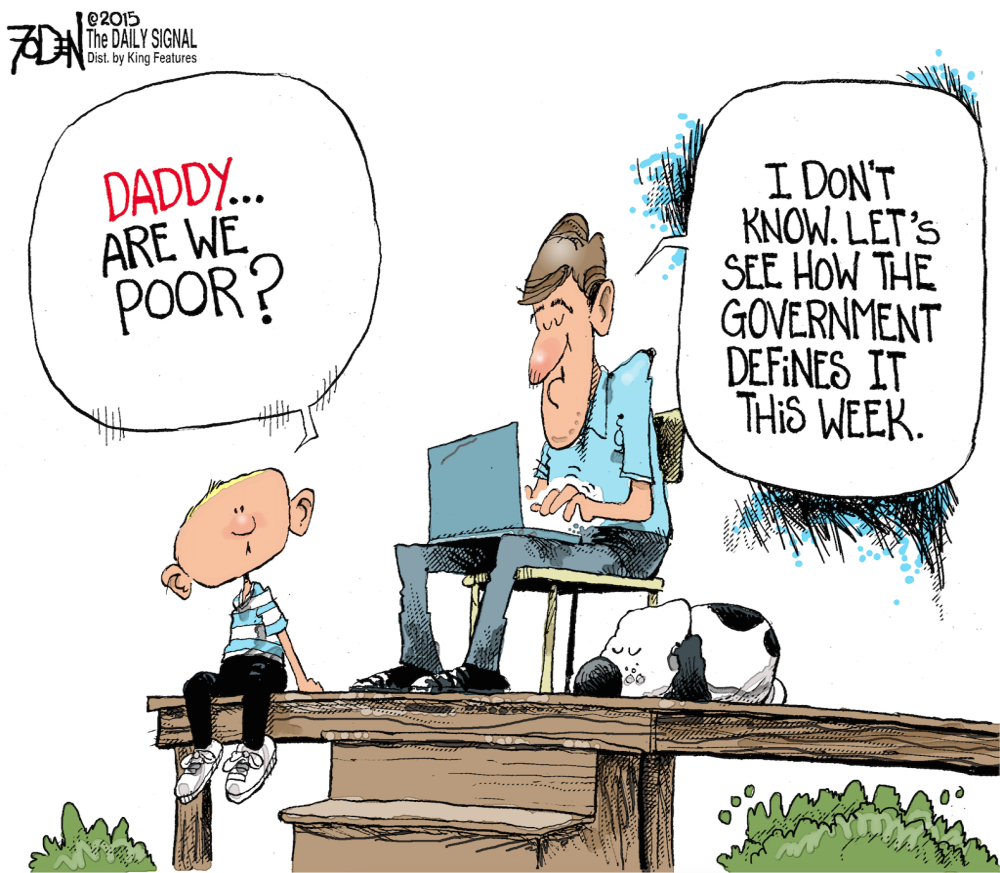
The cartoon says it well. Understanding what governments call poverty is a bit of a puzzle.
If you have been listening to international agencies and governments over the years, they all want to eliminate poverty. Poverty, in general, means large numbers of people living in fear for their future. And who wants that?
But the trouble with these debates is that they seem to be promoting some form of foreign aid, which essentially means transferring money from one country to another. But surely poverty is much more complex than a shortage of money?
Travelling to developed and undeveloped societies over a lifetime has convinced me that what we call poverty varies in different societies because of their different cultures.
In Canada, for example, with our different indigenous native tribes, there are welfare cultures and entrepreneurial cultures. And poverty is different in big cities compared to remote regions. Nothing is simple.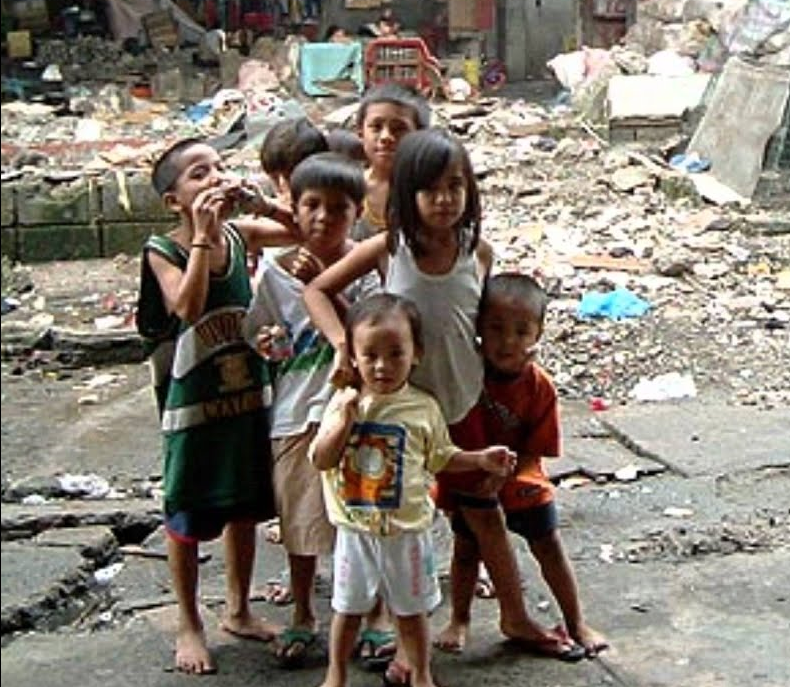 Internationally, I saw a lot of poverty in places like the Philippines and Indonesia in the 1970s with leaders who were secreting billions into “Swiss” bank accounts.
And, during the same period I witnessed Taiwan bringing education and health care to people at the bottom of the income scale and doing it with broad political consensus.
So many forms of poverty. Certainly, we have poverty because some societies just cannot get their act together. And we also have poverty that has been imposed by forces outside of people’s control. Then there is poverty we cannot seem to explain.
Is poverty about not having any assets? That may be part of the puzzle. My grandmother when she came to Canada saved all her money to buy a house. It was the key to the future prosperity for her family, because with property her family had the necessary collateral to borrow money in an emergency.
And is poverty about poor health and the lack of access to medical care? Or how about the lack of access to education? Of course.
There is another dimension to poverty when those who are non-poor become poor because their jobs have been eliminated by globalism and cheap labour. Not pleasant and the basis for a lot of “nationalistic” politics.
And as for future poverty, it would be my judgment call that the big issue is going to be climate change with farmers around the world impacted by changes in weather.
It won’t just be things like civil wars that will drive immigration to our shores,
That’s the way I see it anyways.
12-01 The Puzzle
(blank) » John Bulloch » 25 Quirky Opinions » 12 Poverty »
Poverty means people living in fear for their future. For farmers it is going to be climate change.