“THERE IS AN ERROR IN MELLOR.” That was the announcement ahead of every chemistry class in third-year engineering. A clever move by the professor to gain attention. He was referring to our textbook, “Mellor’s Inorganic Chemistry”.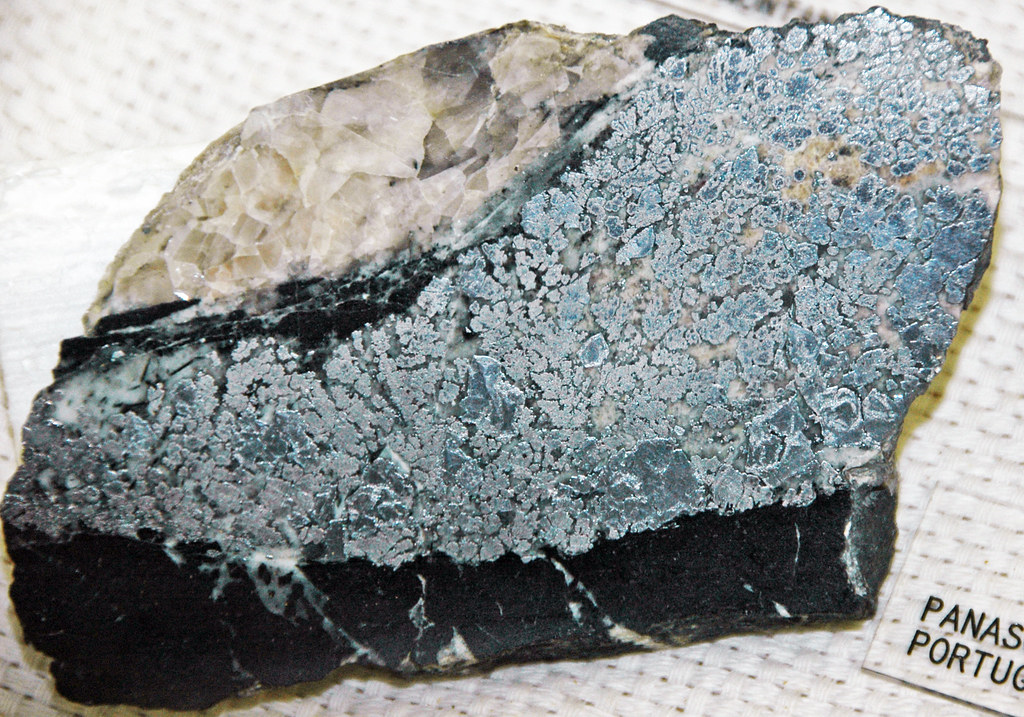 And, it was my introduction to Cobalt, which he referred to as a strategic element that was critical to producing “super alloys” used in jet engines and gas turbines.
We heard about the town of Cobalt in Northern Ontario, which was really a silver mine in the early 1900s. It seems cobalt appears in combination with minerals like nickel, copper and silver.
Well, until the development of electric automobiles and the lithium-ion battery, the demand for cobalt was relatively steady. Now as a principal ingredient in the production of metallic cathodes in rechargeable batteries, the demand has skyrocketed. And prices have tripled.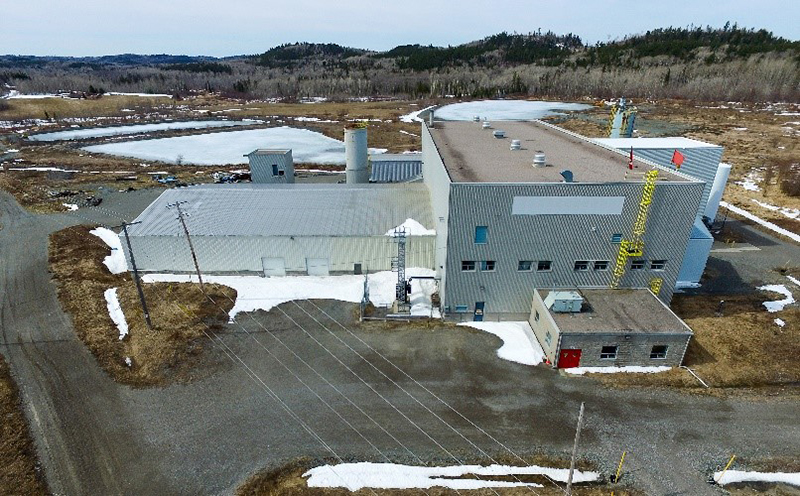 Now the town of Cobalt is alive with speculators and investors. And the first cobalt refinery in North America has just opened in Northern Ontario. They produce cobalt-sulphate which is used for lithium-ion batteries, and the metal that is used by the aero-space industry,
The big issue for the manufacturers of electric vehicles like Tesla, VW and BMW, and makers of I-phones like Apple is the fear of running out of cobalt. It is a potential source of conflict between the US and China who are expected to shift from internal combustion engines to electrical vehicles over the next thirty years.
Today, EVs are hot because the price of batteries has come down. But this cost advantage will not last if there are critical future shortage of key minerals like lithium and cobalt.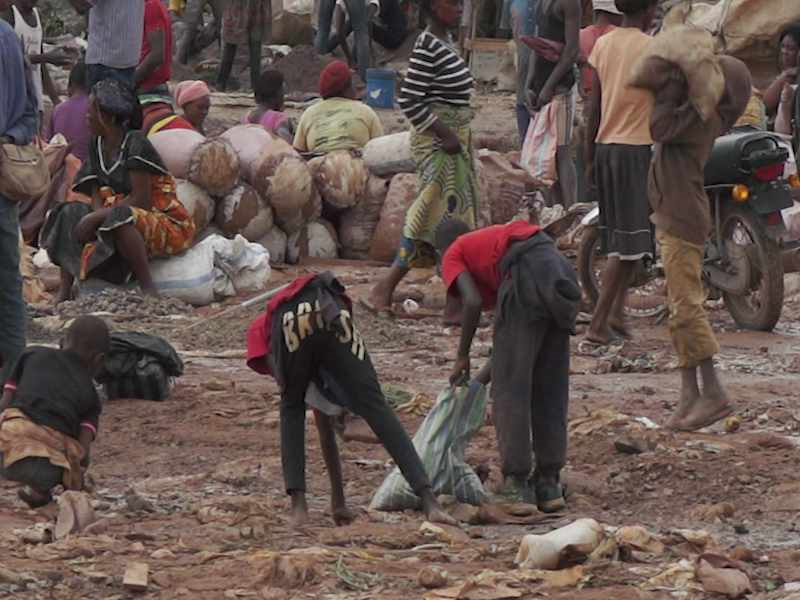 The monster source of cobalt, of course, is the Republic of the Congo which supplies more than half of world demand. And in the photograph we have families scrambling around open mines picking up small pieces of cobalt. The demand for cobalt is like a modern-day gold rush.
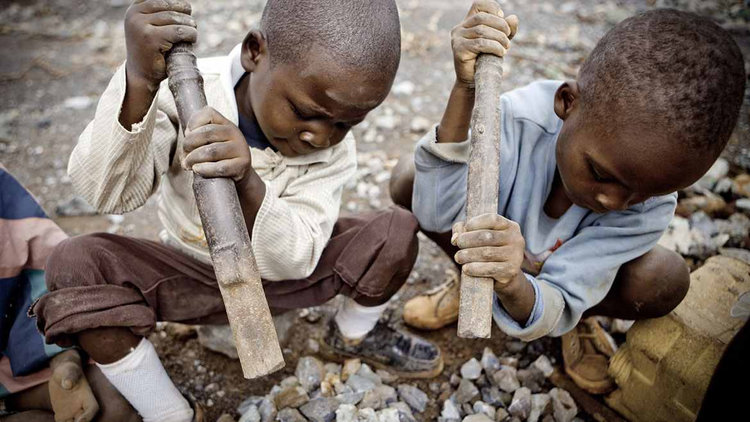 Sad to see child labour at these open mines. International criticism will never stop these kinds of ugly scenes.
10-06 Cobalt
(blank) » John Bulloch » 19 Global Issues » 10 Energy Conflicts »