We spent the day wandering around Disneyland. It was 1978, a day after the 5th International Symposium on Small Business held in Anaheim, California. My colleague was a professor of economics from the University of Lagos in Nigeria.
The first thing I learned was that my friend was an economic consultant to the opposition party preparing for the 1979 elections in Nigeria. And that he explained put his life in danger. He went nowhere in Nigeria without security.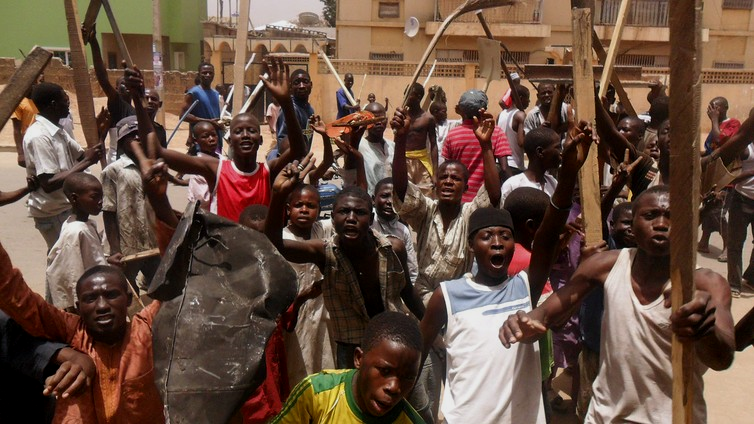 What I also learned in 1978 is important today. Nigeria is a “power-house” in terms of economic potential and population but is also a “power-keg” in terms of all the internal conflicts that are ready to explode.
It has a Muslim north and a Christian South. It is a tribal society in which the party in power looks after its own tribe before the rest of the nation. It has oil wealth and yet large parts of its population lack access to electricity.
Even in 1978, it was amusing to hear my friend describe their telephone system which, he said, never works properly. No problem calling me in Canada, but difficult to reach anyone in Lagos. “So, we just send messages by bicycle. It employs thousands.”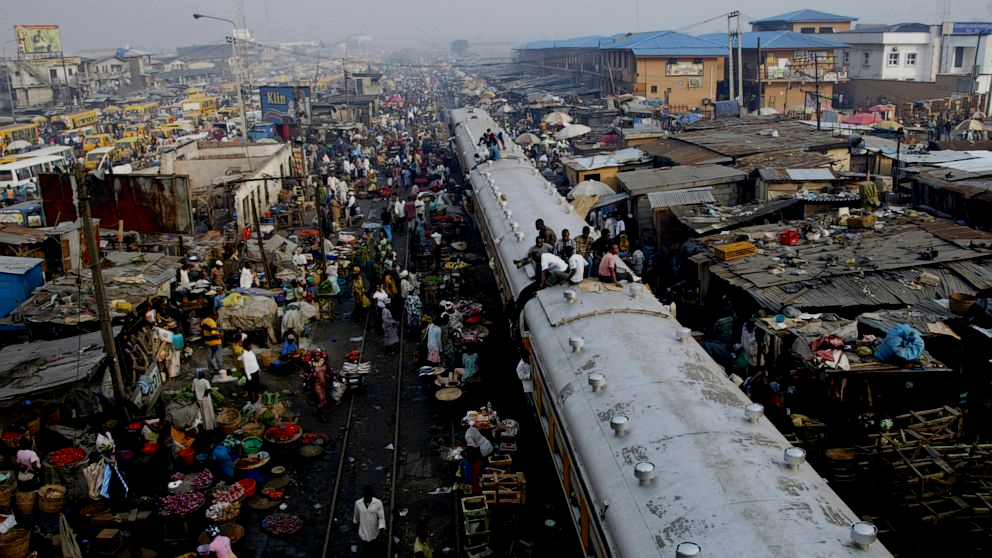 And, in 1978, I was told that with their explosive population growth, Nigeria will be larger in population than the United States. The challenge is educating these young people and finding them employment. Their population today is over 180 million.
Hard not to see Nigeria’s problems as the world’s problems. High population growth, and inadequate access to electrical power. A problem facing much of Africa, Asia and Latin America.
And what makes Nigeria more typical is that they are also suffering from climate change. They live next to the Sahara, which is encroaching on their nation and driving the northern Muslim herdsman south into Christian territories. Put climate change together with ethnic, religious and cultural differences and you have a “toxic cocktail”.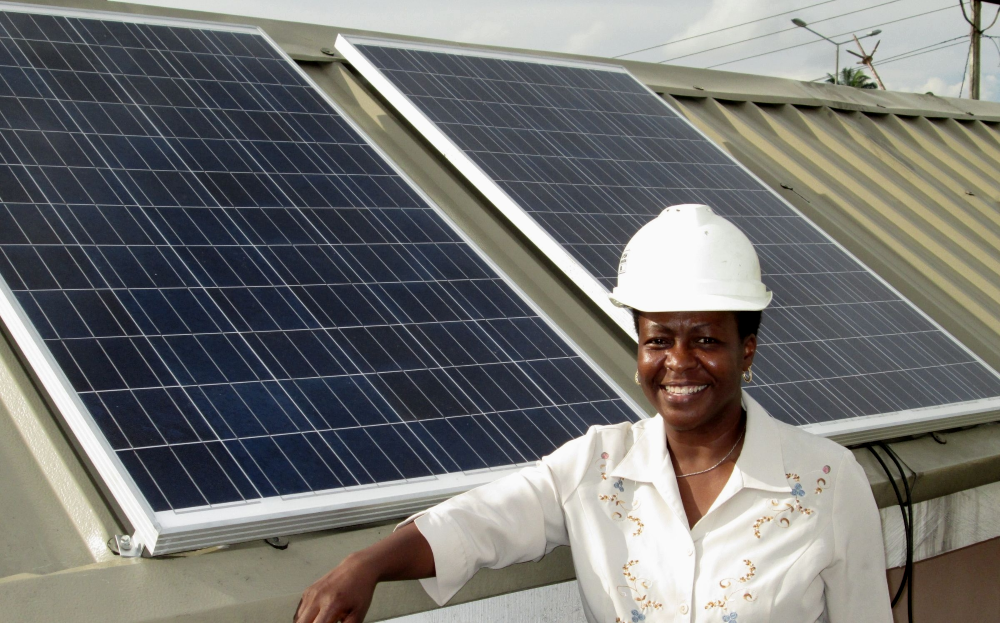 There is no other practical solution than solar energy to provide communities with electricity when the possibility of reaching these remote areas with an electrical grid is so unlikely.
At the present time, Nigeria is an ally of the United States. They have economic and political clout in Africa. Let’s hope Trump’s economic isolationism doesn’t drive them into the arms of China.
10-05 Nigeria
(blank) » John Bulloch » 19 Global Issues » 10 Energy Conflicts »