In 1960, in Kitchener Ontario, there were 20 fuel oil distributors supplying heat to homes and industry in the area. And ten years later there were three. What happened was natural gas. Not conflict but tension.
And why? Well natural gas is to fuel oil what the electric car is to the gasoline driven automobile. An energy source that is easier to use and cleaner to burn.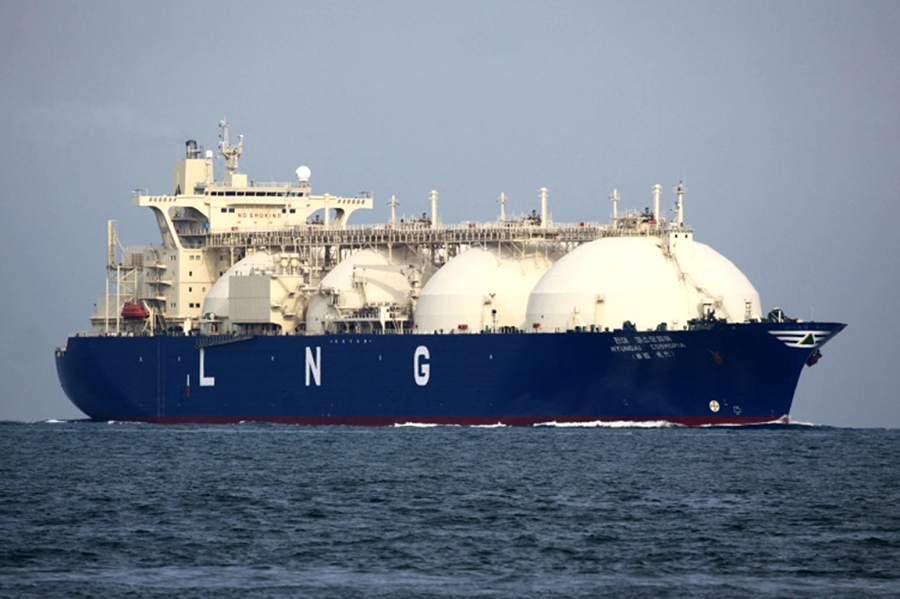 Well LNG or liquified natural gas is the same natural gas delivered to Ontario by pipeline but made available to distant markets by compressing it and dropping its temperature to -161 degrees Centigrade. Now we have a liquid that can be shipped around the world.
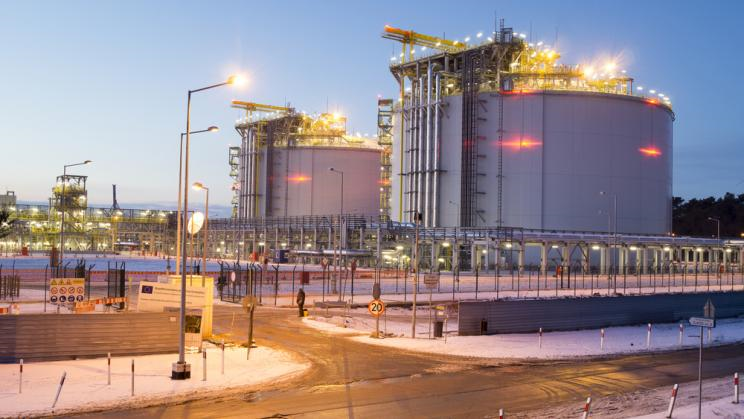 And in Europe there are 28 major import terminals where the liquid fuel is re-gasified and fed into natural gas pipeline networks. The photo shows an LNG terminal in Swinoujscie, Poland on the Baltic Sea.
It was a surprise to me that the second largest exporter of LNG is Australia. Canada is hoping to join the ranks as an LNG exporter with a new terminal planned for northern BC. No surprise that the largest exporter is Qatar. Then there is Malaysia, Nigeria and Indonesia.
The attractiveness of LNG for so many markets is that it burns clean and has less CO2 and other nasties that come with burning bunker fuel and coal. Lots of conflict between the coal interests and natural gas interests where nations are trying to reduce CO2 emissions that contribute to climate change.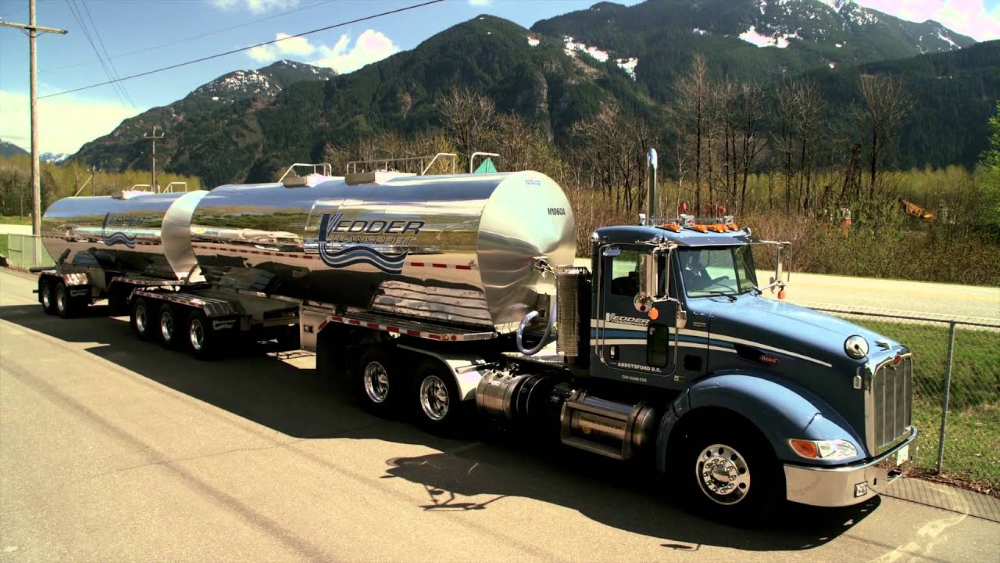 What is so amazing in the distribution of LNG is the development of trucks that can deliver liquid under such pressures and temperatures. This means getting LNG to smaller terminals for regasification and for reaching smaller and more remote markets.
The big issue in Europe, which no one talks about is using LNG to reduce their reliance on Russian gas. So much of Russia’s geopolitical clout is Russia’s massive natural gas reserves. Even China has been ensnared in Russia’s natural gas web.
10-03 LNG
(blank) » John Bulloch » 19 Global Issues » 10 Energy Conflicts »