She was eight years old, half Danish and half Innuit. And it was 2009 in the small city of Qaqortoq in southern Greenland. The young girl’s father owned the local restaurant. She spoke Danish and Greenlandic. But she was also studying English.
What was so important about this story is that it was a time when Greenland was seeing itself as a climate change winner with all sorts of new economic activity linked to tourism, fishing and mining. And things like intermarriage, learning a new language and adapting to new cultures suggests massive social change comes with a warming climate.
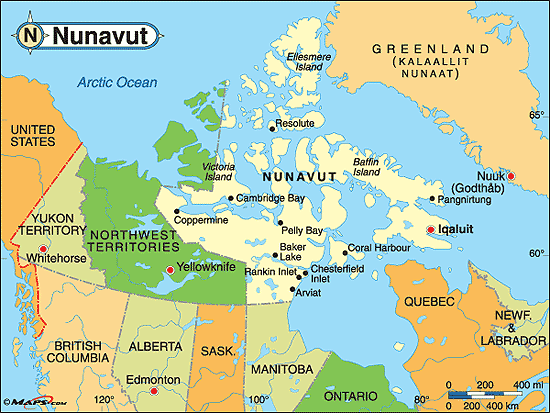
In Canada, the territory of Nunavut cones to mind as one dominated by the Innuit but facing change associated with new trade routes, and new oil and gas exploration. Already the cruise ships are taking advantage of the warmer summers.
So, if the northern part of our world tends to be climate change winners, the Greenland story will be repeated in Russia, Scandinavia, Canada and Alaska.
What is so difficult attempting to understand the implications of climate change is that the extent to which there will be winners and losers depends on just how much the world warms up.
Most of the nations of the world signed an agreement in Paris in 2016 that encouraged nations to help keep increases in global average temperatures below an increase of 2 degrees C from pre-industrial levels. President Trump pulled the US out of the agreement. The fossil fuel industry has a temporary champion.
So, the world will get warmer. But no one knows how much. What has changed since 2016, is massive technological developments in renewables, making them cheaper than fossil fuels for generating electricity. And battery technology is similarly going to make electric vehicles competitive with combustion engines.
But where is the needed government action, outside of the “showbiz” of signing international agreements. In my view, real action will come only when there are national tragedies like the fires in Australia. Remember that it took the Japanese attacking Pearl Harbor to bring the US into WW2.
And if fish move as ocean water warms, how about insects that carry diseases following warming weather patterns. For the losers in the tropics, it is all about drought and disease.
The scariest element in assessing climate change is the shift in capital, skills and technology in ways that can make undeveloped nations even more undeveloped.
Smart folks will sell their condo in Miami or their retirement home in Phoenix. Owning property in Rochester could actually become sexy. The potential shift in real estate values globally could be in the trillions of dollars.
But is the world ready for climate refugees? Like people in Brazil trying to move to Argentina. Or Mexicans trying to move to the US. That “Trump wall” may be ahead of its time.
If I was a young engineer, my focus would be on the supply of fresh water and technologies like desalination. If there is anything policy wonks look for in studying climate change it will be its impact on the production of food. Remember the Mayan civilization that disappeared.
07-05 Winners and Losers
(blank) » John Bulloch » 19 Global Issues » 01 Climate Change »