If I was just thinking emotionally, I would have coal-fired generating stations shut down. 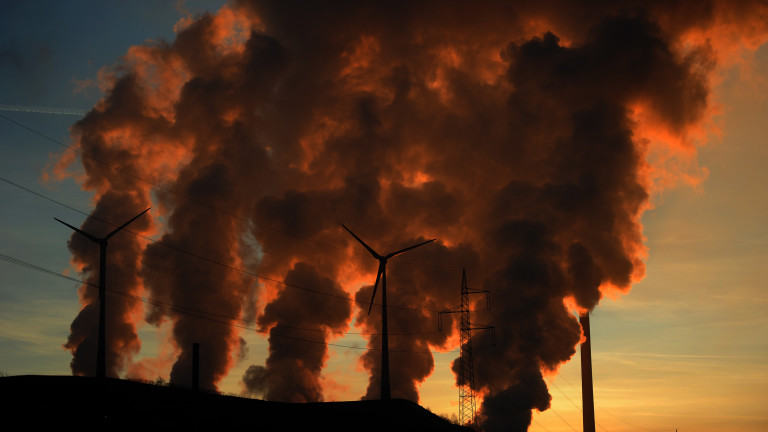 Possibly the worst experience of my life was in Jakarta in 1994 and having my eyes burning because of the polluted air. I never forgot the fear I felt at the time, and my hatred of coal.
But I was also not sure whether the people of Indonesia could do much about their air pollution. Coal was a cheap source of energy and Indonesia had lots of it.
This is the problem everywhere with different blends of economics and politics determining energy sources and the quality of the environment.
It would be my judgement call that in the nations that are large producers and consumers of coal like the US and China, it is probably more economical to use renewables rather than coal at say two-thirds of the existing coal-fired generating stations. And in time, these will all be shut down.
Two things are happening. The price of renewables like wind and solar are falling at an astonishing rate. And the transportation costs for coal are often higher than the cost of the coal itself.
And what about coal and climate change? Well, let’s assume that governments that produce fossil fuels of any kind all say they care about climate change but are not planning to do anything about it. Nothing that will hurt their energy business anyways. This is politics, where perception is king. So, the real future for coal is more about economics.
And another reality which I find disturbing and uncomfortable. That providing electricity to people in undeveloped nations seems to be more important than providing clean air.
I learned something from a political leader in the Philippines in 1975, who was negotiating to bring a dirty production facility to his island. He called poverty the worst form of pollution. That perspective is relevant today.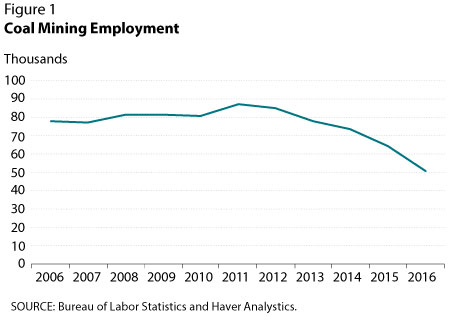 Looking at a developed nation, the attached graph shows declining employment in the coal industry in the US and why President Trump promised to help revise the coal industry. It hasn’t worked and several of the largest coal producers in the US have since gone bankrupt.
Australia is a country to watch since they are the world’s biggest coal exporter and most of their production goes to Asian nations like Japan, South Korea and China. So, if these Asian customers switch to renewables or nuclear Australia will be hardest hit.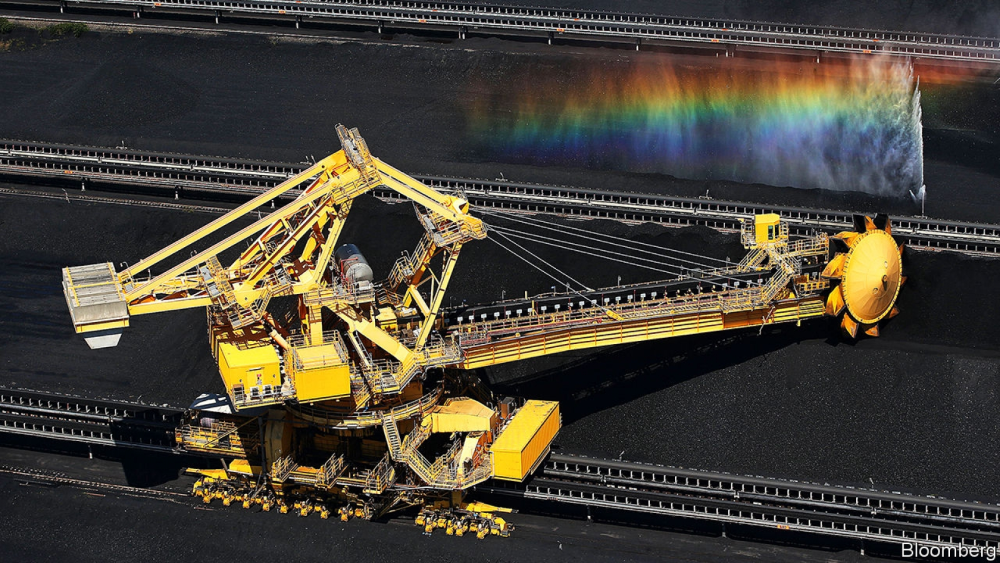 What is different about Australia is a coal industry that is modern and capital intensive. Here, you do not find the nasty working conditions that are prevalent in the less developed coal-producing nations.
But it will be the production and consumption of coal in China that will determine much of the future of coal. Unfortunately, it looks like China’s own economic interests and not global concerns about climate change will determine what they do.
On the one hand, they want to be global leaders in developing renewable technologies, which makes them look responsible. But, on the other hand, they are financing coal-fired generating stations around the world to provide markets for their own coal.
The future for coal? Murky and dirty.
06-07 The Future
(blank) » John Bulloch » 19 Global Issues » 03a Coal »