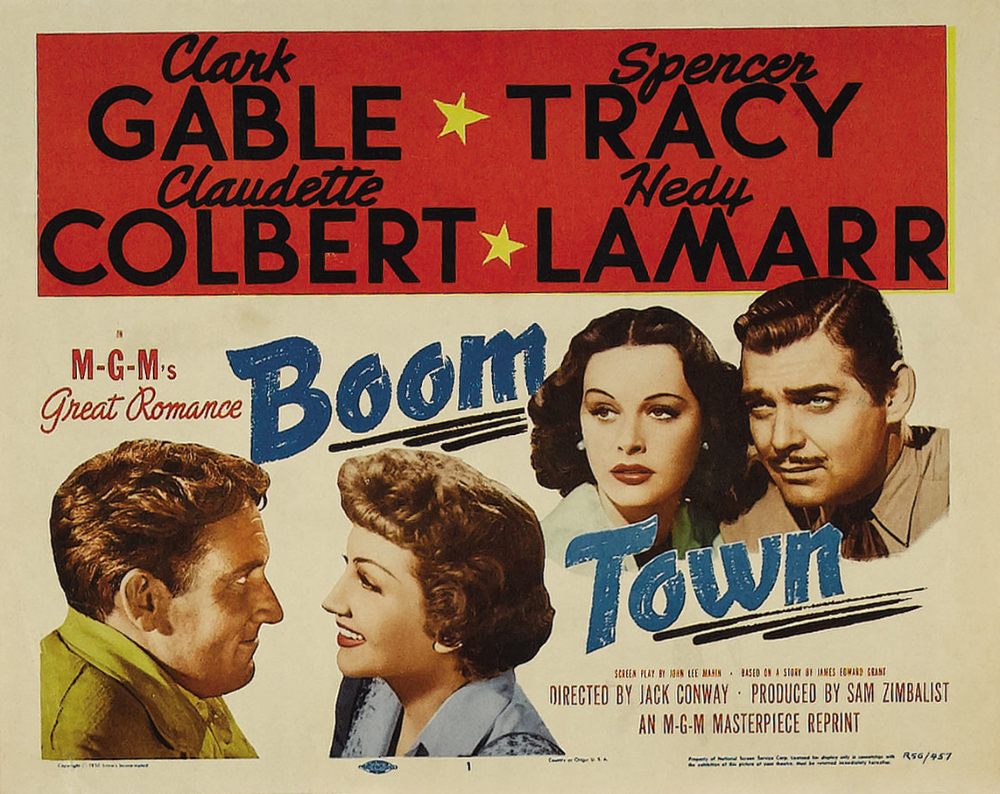
 “Boom Town” was one of my favourite movies that I saw as a child during WW2. It starred Clark Gable and Spencer Tracy playing the role of “wildcatters” who did speculative drilling for oil and gas. It was an introduction to the “oil business”.
Years later as a graduate engineer working for Imperial Oil, I discovered just how difficult and technical it was looking for the right kind of rock formations that held deposits of hydrocarbons, as they called them.
I was in the world of geology, where the right kind of organic rich sedimentary rocks over time and under heat and pressure create various kinds of crude oil and natural gas. These petroleum deposits would migrate upward until they hit impermeable rock and became trapped pools of energy.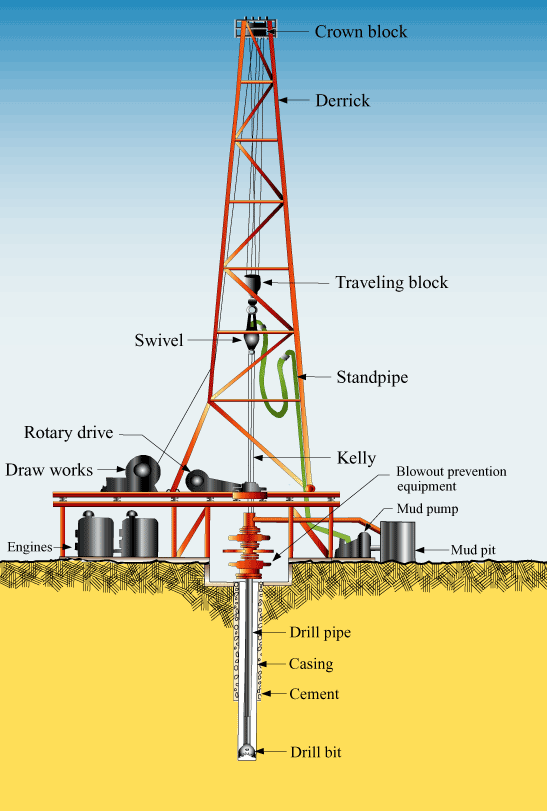 Drill rigs in the places like Pennsylvania and Texas in the US and Alberta in Canada are common sites. Drill rigs are a sign of investment and energy action.
And the geology of oil and gas was not only interesting but complex. There was sweet crude which meant less sulphur. And then there was light crude which contained more of the hydrocarbons used to produce gasoline and was prized. Heavy oil usually means lots of asphalt and bunker fuel.
It was a time when the supply of oil and gas seemed endless. But that period in our history is coming to an end. The big oil and gas discoveries are in decline.
There are risks in every business, and in my time risks in the oil business where usually related to the number of actual discoveries vs. the number of dry holes.
As an employee of Imperial Oil Ltd., I was told that before their famous crude oil discovery in Leduc, Alberta they had 133 dry holes. And their Leduc No. 1 well changed the future of Alberta. Before then, and I am talking 1947, the population of Saskatchewan was larger than Alberta.
Today when the industry talks about “risk” they are usually talking about geological risk which is the risk of extracting the oil and gas. Extracting oil from the ground is one thing, extracting from the bottom of the ocean is another.
One thing I remember from my training at Imperial Oil was that about 80% of the readily accessible oil is all located in the Middle East. That was a little scary. Now we are talking about power and politics.
The saviour for every sector that produces energy is higher prices. And that applies to the traditional oil and gas industry. The higher prices spawn new technologies to go after new sources.
A powerful short-term boost to the supply of oil and gas is coming from what is called “fracking” which is about fracturing shale deposits with injections of water, sand and chemicals to free-up trapped oil and gas.
What is so interesting about the lower cost natural gas made available from fracking is that it has made the use of coal for generating electricity uneconomical. And from an environmental perspective, the burning of natural gas releases less carbon dioxide than the burning of coal.
Another example of technology being more important than politics.
03-02 Geology
(blank) » John Bulloch » 19 Global Issues » 03 Oil and Gas »